
Food
Buffalo Chicken Dip Crock Pot Recipe for Parties

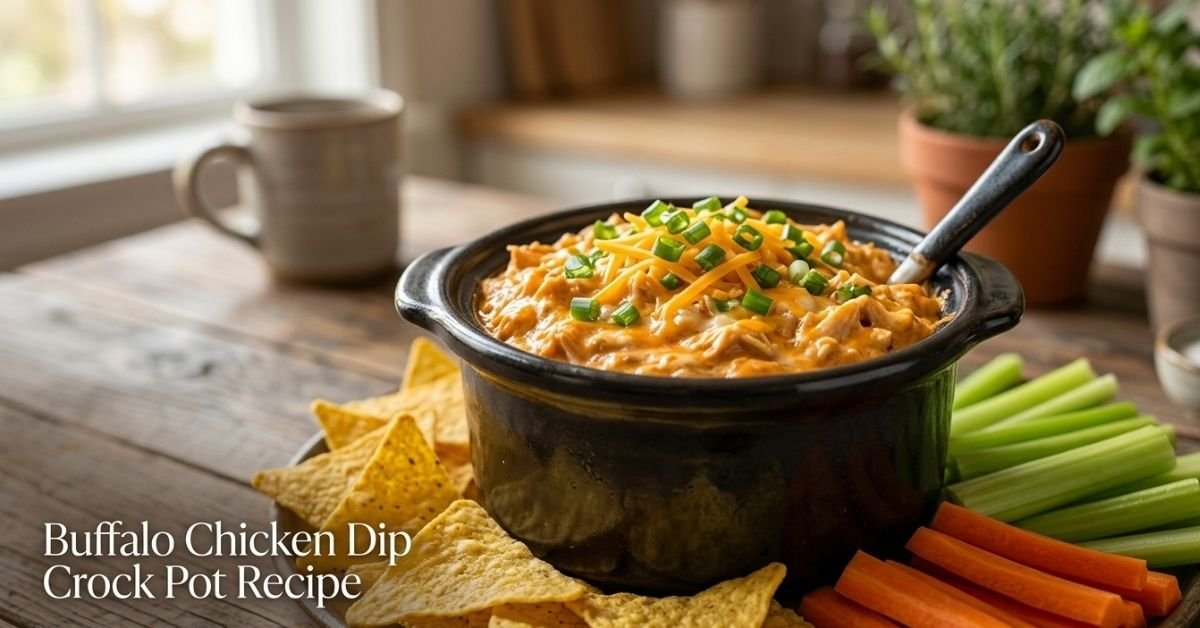
Buffalo chicken dip is one of the most recognizable party appetizers in American home cooking. It takes inspiration from classic buffalo chicken wings but transforms those bold flavors into a creamy scoopable dip that is easy to share. The slow cooker version became popular because it simplifies the process even more. When people search for a Buffalo Chicken Dip Crock Pot Recipe they usually want a hands off method that works for parties, game day gatherings, or potluck dinners where convenience matters as much as flavor.
The slow cooker keeps the dip warm for hours, which solves a common problem with hot appetizers. Many baked dips cool quickly and lose their creamy texture, but the crock pot keeps the mixture smooth and scoopable throughout the event. This makes it ideal for football watch parties, holiday gatherings, and casual family get togethers where guests serve themselves over time. Because the recipe uses simple ingredients and minimal preparation, even beginner cooks can prepare it confidently.
Another reason this dip stays popular is the balance of spicy buffalo sauce, tender chicken, and creamy cheese. That combination creates a bold flavor that pairs well with many dippers such as tortilla chips, celery sticks, and toasted bread slices. The dish also allows for easy adjustments in spice level, ingredient substitutions, and serving sizes, which means it can work for both small family snacks and large crowd events.
Read also: Kimchi Fried Rice How to Make at Home
Essential Ingredients for Buffalo Chicken Dip
The Buffalo Chicken Dip Crock Pot Recipe is known for being simple, often requiring only five or six ingredients. Even though the ingredient list is short, the balance between spicy sauce and creamy components determines the final taste and texture. The goal is a smooth dip that spreads easily while still delivering the classic buffalo flavor associated with spicy chicken wings.
Typical ingredients used in this recipe include:
• Cooked shredded chicken
• Cream cheese softened or cubed
• Buffalo style hot sauce
• Ranch dressing or blue cheese dressing
• Shredded cheddar cheese
• Optional green onions or chives for garnish
Cream cheese forms the creamy base that holds the dip together. When it melts slowly in the crock pot it combines with the buffalo sauce to create a smooth texture. Shredded cheddar adds richness and thickness while ranch or blue cheese dressing brings tangy flavor that balances the spice of the hot sauce.
Many cooks prefer a well known buffalo wing sauce because it already contains the right mixture of vinegar, cayenne pepper, and butter flavor. However homemade hot sauce blends can also work if the spice level is adjusted carefully.
Best Chicken Options for the Recipe
One of the common questions people have when learning a Buffalo Chicken Dip Crock Pot Recipe is which type of chicken to use. The dish is very flexible and works with several different types of cooked chicken depending on what is convenient. The most important factor is that the chicken is shredded into small pieces so it mixes evenly into the dip.
Good chicken options include:
• Shredded rotisserie chicken
• Cooked chicken breast
• Slow cooked chicken thighs
• Canned chicken for quick preparation
• Leftover grilled chicken
Rotisserie chicken is often the easiest choice because it is already cooked and seasoned. Simply remove the meat from the bones and shred it into small pieces. Chicken breast creates a leaner version of the dip while canned chicken provides convenience for last minute party preparation.
The chicken should be fully cooked before adding it to the slow cooker. Since the crock pot is used to melt and combine ingredients rather than cook raw meat, preparing the chicken ahead of time ensures the dip reaches the correct texture quickly.
Buffalo Chicken Dip Crock Pot Recipe Step by Step
Preparing this dip in a slow cooker requires only a few simple steps. The ingredients are combined in the crock pot and heated slowly until the cheeses melt and everything blends together into a creamy mixture. Because the slow cooker does most of the work, the recipe is easy for beginners.
Follow these steps:
• Lightly grease the slow cooker to prevent sticking
• Add shredded cooked chicken to the crock pot
• Place cubed cream cheese on top of the chicken
• Pour buffalo hot sauce evenly over the ingredients
• Add ranch or blue cheese dressing
• Sprinkle shredded cheddar cheese on top
• Cover and cook on low heat for about 1.5 to 2 hours
• Stir every 30 minutes until the dip becomes smooth
• Switch the slow cooker to warm when serving
Stirring during cooking helps the cream cheese melt evenly and prevents chunks from forming. Once the dip becomes creamy and fully blended, it can stay warm in the slow cooker for several hours without losing its texture.
Choosing the Right Slow Cooker Size
Slow cooker size can affect how evenly the dip cooks. Most Buffalo Chicken Dip Crock Pot Recipe instructions recommend a medium to large slow cooker because the ingredients need space to heat evenly. If the cooker is too small the dip may become thick and difficult to stir.
Common slow cooker sizes include:
• 3 quart slow cooker for small batches
• 4 to 5 quart cooker for family gatherings
• 6 quart slow cooker for parties
• Larger cookers for crowd events
A six quart slow cooker is often ideal because it allows easy stirring and keeps the dip warm for long periods without overcrowding the pot. Smaller cookers work for reduced recipes but may require more frequent stirring.
Another helpful feature is the keep warm setting, which prevents the dip from cooling during a party. This function maintains gentle heat while keeping the texture creamy and smooth.
Adjusting Spice Level to Taste
Buffalo sauce brings the signature heat to this dish, but spice preferences vary widely among guests. One advantage of the Buffalo Chicken Dip Crock Pot Recipe is that the spice level can be adjusted easily before or during cooking.
Ways to adjust the spice include:
• Add extra buffalo sauce for stronger heat
• Mix in a small amount of cayenne pepper
• Use mild buffalo sauce for less heat
• Add extra cream cheese for a milder flavor
• Blend ranch dressing to soften the spice
Tasting the dip while it cooks allows small adjustments before serving. Adding a little more cheese or dressing can quickly reduce spice intensity if needed.
Balancing spice with creaminess is important because the dip should be flavorful but still enjoyable for guests who prefer moderate heat.
Make Ahead Tips for Parties
Planning ahead is often helpful when preparing food for events. Fortunately the Buffalo Chicken Dip Crock Pot Recipe works well as a make ahead appetizer. Preparing the ingredients earlier in the day reduces stress when guests arrive.
Simple make ahead strategies include:
• Assemble all ingredients in the crock pot liner earlier in the day
• Store the assembled dip in the refrigerator until cooking time
• Start slow cooking about two hours before serving
• Stir occasionally as the cheese melts
Another option is fully cooking the dip ahead of time and reheating it later in the slow cooker. Adding a small splash of milk or extra dressing during reheating can restore the creamy texture.
These strategies allow hosts to focus on guests rather than spending time in the kitchen during the event.
Best Dippers to Serve with Buffalo Chicken Dip
Serving options can elevate the experience of this classic dip. Because the dip is rich and spicy, crunchy dippers provide contrast and make the dish easier to scoop.
Popular dipping options include:
• Tortilla chips
• Celery sticks
• Carrot sticks
• Toasted baguette slices
• Crackers
• Pretzel bites
Low carb options such as cucumber slices or bell pepper strips also work well for guests who prefer lighter snacks. Offering a variety of dippers helps accommodate different preferences and adds visual appeal to the serving table.
Keeping the dip warm in the slow cooker while surrounding it with colorful vegetables and chips creates a welcoming presentation for party guests.
Scaling the Recipe for Large Crowds
When hosting large gatherings, the Buffalo Chicken Dip Crock Pot Recipe can easily be doubled or tripled. Since the ingredients mix well together, increasing quantities usually does not affect flavor balance.
Helpful scaling tips include:
• Double ingredients for medium sized parties
• Use a larger slow cooker for big batches
• Stir more frequently to maintain smooth texture
• Prepare extra dippers for larger groups
For extremely large events, some hosts prepare two separate slow cookers instead of one oversized batch. This ensures the dip heats evenly and allows refilling during the event without interrupting service.
Planning portion sizes in advance helps ensure that every guest can enjoy the appetizer without running out too quickly.
Low Fat and Healthier Ingredient Alternatives
Buffalo chicken dip is known for its creamy richness, but some cooks prefer lighter variations. The Buffalo Chicken Dip Crock Pot Recipe can be modified using lower fat ingredients while still maintaining the classic flavor.
Possible ingredient swaps include:
• Reduced fat cream cheese
• Greek yogurt instead of some dressing
• Light shredded cheese
• Lean chicken breast
• Extra vegetables mixed into the dip
These substitutions reduce overall fat while preserving the spicy buffalo flavor. The dip may become slightly thinner with lighter ingredients, but slow cooking still creates a smooth consistency.
Balancing indulgent ingredients with lighter options allows people to enjoy the dish without feeling overly heavy.
Storage and Reheating Instructions
Leftover buffalo chicken dip can be stored safely and reheated later. Proper storage helps maintain both flavor and food safety. Because the dip contains dairy ingredients it should be cooled and refrigerated soon after serving.
Storage tips include:
• Place leftover dip in an airtight container
• Refrigerate within two hours of cooking
• Store for up to three days
Reheating works best in a small saucepan or slow cooker over low heat. Stirring occasionally helps restore the creamy texture. If the dip becomes too thick, a small amount of milk or dressing can loosen the mixture.
Microwave reheating also works but should be done in short intervals while stirring between each heating period.
Common Mistakes to Avoid
Even simple recipes can have small challenges. Knowing common mistakes helps ensure the Buffalo Chicken Dip Crock Pot Recipe turns out smooth and flavorful every time.
Common issues include:
• Using cold cream cheese which melts slowly
• Adding too much hot sauce at once
• Not stirring during cooking
• Overcooking on high heat
Allowing cream cheese to soften before cooking helps it blend smoothly. Cooking on low heat also prevents the cheese from separating or becoming oily.
Following these simple techniques ensures a creamy dip with balanced buffalo flavor.
Conclusion
Buffalo chicken dip remains a favorite appetizer because it combines bold buffalo wing flavor with creamy cheese and tender chicken. The slow cooker method makes preparation simple while keeping the dip warm for hours during gatherings. By choosing the right ingredients, adjusting spice levels, and using proper slow cooker techniques, anyone can create a smooth and flavorful Buffalo Chicken Dip Crock Pot Recipe for parties, game days, or casual family snacks.
FAQs
Can buffalo chicken dip be made ahead of time?
Yes, the ingredients can be assembled earlier and cooked in the slow cooker shortly before serving.
Can canned chicken be used in buffalo chicken dip?
Yes, canned chicken works well for quick preparation and mixes easily into the dip.
How long should buffalo chicken dip cook in a crock pot?
Usually about 1.5 to 2 hours on low heat until the cheese fully melts.
What is the best cheese for buffalo chicken dip?
Cheddar cheese is most common, but pepper jack or mozzarella can also work.
How do you keep buffalo chicken dip warm during a party?
Use the slow cooker warm setting to maintain creamy texture for several hours.
Can buffalo chicken dip be frozen?
Freezing is possible but the texture may change slightly when reheated.

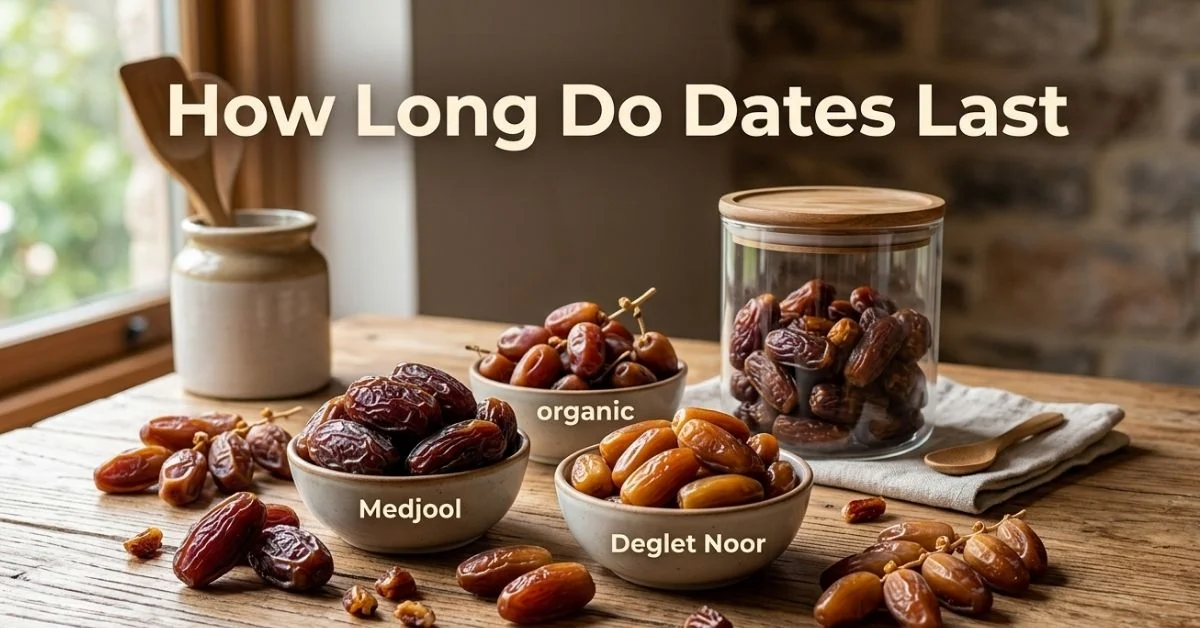
How long do dates last? Dates are one of those foods people assume last forever, yet they don’t always know when they’ve actually gone bad. You might leave a pack in the pantry for months or find an old container in the fridge and wonder if it’s still safe to eat. The confusion usually comes from the fact that dates are naturally preserved by sugar, which makes their shelf life longer than most fruits. The real answer to how long dates last depends on how they’re stored, whether they’re fresh or dried, and how they’re handled after opening. Without proper storage, even dried dates can spoil, develop mold, or ferment over time. This guide breaks everything down clearly. You’ll learn exact storage timelines, how to keep dates fresh longer, and how to tell when they’re no longer safe to eat.
What Are Dates? Fresh vs Dried Explained
Fresh dates vs dried dates
Dates come in two main forms, fresh and dried, and the difference matters when it comes to shelf life. Fresh dates have higher moisture content, which makes them softer and more perishable. They behave more like other fruits and need careful storage.
Dried dates, on the other hand, have much less moisture. This is why they last longer and are often stored at room temperature. The drying process naturally extends their shelf life without needing preservatives.
If you’re trying to figure out how long dates last, always check whether you’re dealing with fresh or dried ones. Fresh dates may last weeks, while dried dates can last months or even longer with proper storage.
Read also: Groundnut in Shell: Nutrition, Storage and Uses Guide
Common varieties (Medjool, Deglet Noor)
Not all dates are the same. Medjool dates are soft, large, and rich, with higher moisture content. Because of this, they tend to have a slightly shorter shelf life compared to firmer varieties.
Deglet Noor dates are drier and more firm. They’re often used in cooking and tend to last longer in pantry storage. Their lower moisture makes them less prone to quick spoilage.
Understanding the type of dates you have helps you store them better. Softer dates benefit more from refrigeration, while firmer ones can often stay in the pantry longer without issues.
How Long Do Dates Last in Different Conditions
Pantry shelf life
When stored in a cool, dry pantry, dried dates can last anywhere from 3 to 6 months. If the packaging is unopened and kept away from heat and humidity, they may last even longer.
Fresh dates don’t do well in pantry conditions. At room temperature, they may last only a few days to a couple of weeks before they begin to spoil.
The key factor here is moisture and temperature. Warm environments speed up food spoilage, especially for softer varieties like Medjool dates.
Refrigerator shelf life
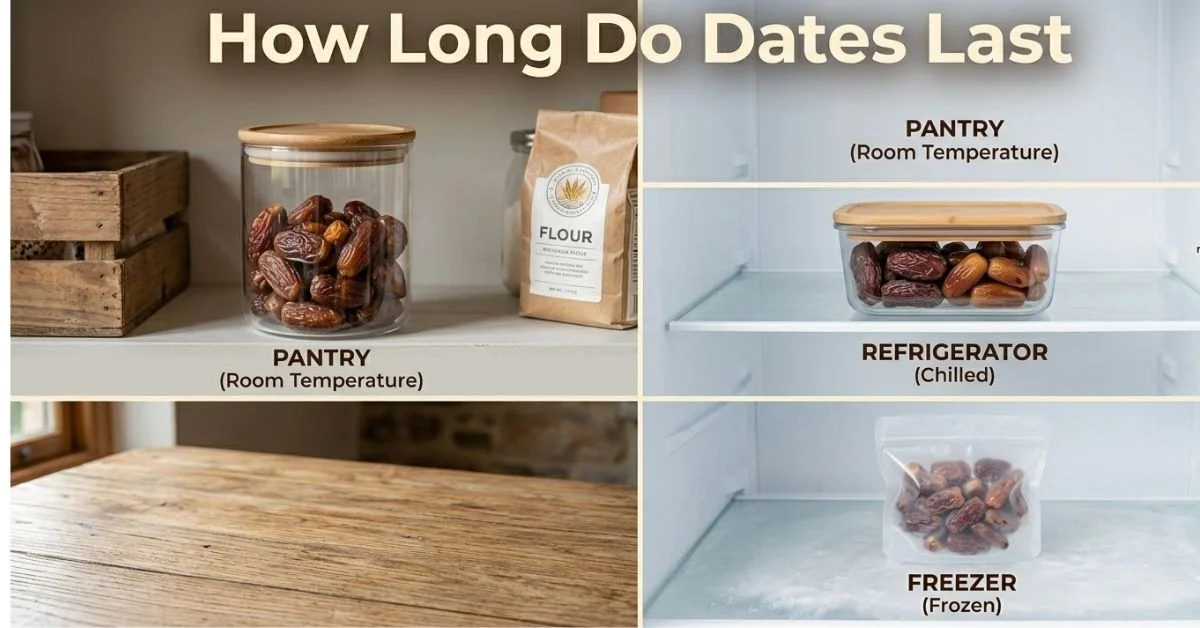
Refrigeration significantly extends how long dates last. Dried dates can stay fresh in the fridge for 6 to 12 months when stored properly in airtight containers.
Fresh dates benefit even more from refrigeration. They can last several weeks, sometimes up to a couple of months, depending on their initial freshness.
If you live in a warm or humid climate, refrigeration is often the better choice. It slows down mold growth and prevents fermentation.
Freezer shelf life
Freezing dates is one of the best ways to extend their shelf life long-term. Both fresh and dried dates can last up to a year or more in the freezer without losing much quality.
The texture may change slightly after thawing, especially for softer dates. However, they remain safe to eat and are still great for baking or smoothies.
To freeze properly, store dates in airtight containers or freezer-safe bags to prevent moisture buildup and freezer burn.
After opening
Once opened, dates are exposed to air and moisture, which shortens their shelf life. Dried dates usually last a few months if stored properly after opening.
Fresh dates should be refrigerated immediately after opening and consumed within a few weeks for best quality.
Always reseal the packaging or transfer dates into airtight containers. This simple step makes a noticeable difference in how long dates last.
Do Dates Go Bad? Understanding Shelf Life
Expiration vs best-by date
Dates typically come with a best-by date, not a strict expiration date. This means they may still be safe to eat after that date, though quality can decline.
The best-by date reflects peak flavor and texture, not safety. Many dried foods, including dates, remain edible beyond that point if stored correctly.
Still, it’s important to check for signs of spoilage. Dates can go bad over time, especially if exposed to heat, air, or moisture.
Natural preservation from sugar
Dates last longer than most fruits because of their high natural sugar content. Sugar acts as a preservative by reducing moisture available for microbial growth.
This is why dried dates can sit in the pantry for months without spoiling quickly. It’s a natural form of food preservation that has been used for centuries.
However, this doesn’t make dates immune to spoilage. Mold, fermentation, and contamination can still occur if storage conditions are poor.
Signs Your Dates Have Gone Bad
Mold and unusual spots
Mold is the clearest sign that dates have gone bad. Look for fuzzy growth, dark spots, or anything that doesn’t look like the natural surface of the fruit.
Mold can develop when dates are exposed to moisture or stored improperly. Even a small amount means the dates should be discarded.
It’s not worth trying to salvage moldy dates. Once mold appears, it can spread beyond what you can see.
Sour smell or fermentation
Fresh or properly stored dates have a sweet, rich aroma. If they start to smell sour or slightly alcoholic, fermentation may have begun.
Fermentation happens when natural sugars break down due to yeast activity. This is more common in warm or humid conditions.
While slightly fermented dates may not always be harmful, they’re not ideal to eat and should generally be avoided.
Texture and taste changes
As dates age, their texture can change. They may become excessively dry, hard, or unusually sticky.
A noticeable change in taste, especially bitterness or sourness, is another sign of spoilage. Fresh dates should taste naturally sweet.
If something feels off when you eat them, trust your judgment. Taste is often the final indicator that dates are no longer good.
White coating (crystallized sugar vs mold)
One common concern is the white coating that sometimes appears on dates. In most cases, this is sugar crystallization, not mold.
Crystallization happens when natural sugars rise to the surface and harden. It’s completely safe and doesn’t mean the dates are spoiled.
The difference is texture and appearance. Crystals look dry and powdery, while mold appears fuzzy or patchy and often comes with an odor.
Best Ways to Store Dates Properly
Pantry storage tips
If you store dates in the pantry, keep them in a cool, dry place away from direct sunlight. Heat and humidity shorten their shelf life quickly.
Use sealed packaging or airtight containers to protect them from air exposure. This helps maintain texture and prevents contamination.
Avoid storing dates near strong-smelling foods. They can absorb odors easily, which affects their flavor.
Refrigeration tips
Refrigeration is ideal for extending how long dates last, especially in warmer climates. Store them in airtight containers to prevent moisture buildup.
Glass containers or high-quality plastic containers work well. They keep out excess air and maintain consistent conditions.
Always check for condensation inside the container. Too much moisture can lead to mold growth over time.
Freezing methods
To freeze dates, place them in freezer-safe bags or containers and remove as much air as possible. This prevents freezer burn.
You can freeze dates whole or chopped, depending on how you plan to use them later. Portioning them makes it easier to thaw only what you need.
Let frozen dates thaw slowly in the fridge before using. This helps preserve texture and flavor.
Using airtight containers
Airtight containers play a major role in food preservation. They reduce exposure to oxygen and humidity, which are key causes of spoilage.
Whether you’re storing dates in the pantry or fridge, a good container makes a noticeable difference in shelf life.
For long-term storage, consider vacuum sealing. It further reduces air exposure and helps dates stay fresh for extended periods.
How to Keep Dates Fresh Longer
Moisture control
Moisture is one of the biggest threats to dates. Too much moisture encourages mold growth and speeds up spoilage.
Always keep dates dry and avoid introducing moisture into the container. Even wet hands can affect their condition.
If you notice condensation, switch to a dry container and check the dates for early signs of spoilage.
Temperature management
Consistent temperature is key to extending shelf life. Frequent changes between warm and cold environments can affect quality.
Store dates in a stable environment, whether that’s a pantry or refrigerator. Avoid placing them near heat sources.
In hotter regions, refrigeration is usually the better option to prevent rapid deterioration.
Avoiding contamination
Always use clean hands or utensils when handling dates. Contamination introduces bacteria that can shorten shelf life.
Once opened, keep the container sealed tightly after each use. This limits exposure to air and microbes.
Simple habits like these go a long way in keeping dates fresh and safe to eat.
Do Dates Need to Be Refrigerated?
When refrigeration is necessary
Refrigeration isn’t always required, but it’s highly recommended in many cases. Soft varieties like Medjool dates benefit the most from cooler storage.
If you’ve opened the package or live in a warm climate, refrigeration helps extend how long dates last significantly.
It also slows down any microbial activity, reducing the risk of mold and fermentation.
Climate considerations
Your environment plays a big role in storage decisions. In cooler, dry climates, pantry storage may be sufficient for dried dates.
In hot or humid areas, refrigeration becomes almost essential. Humidity increases the risk of spoilage even for dried fruits.
Adjust your storage method based on your surroundings rather than relying on one rule for all situations.
Can You Eat Expired Dates Safely?
Safety vs quality
Dates past their best-by date are often still safe to eat, especially if they’ve been stored properly. However, their quality may decline.
They might become drier, less flavorful, or slightly harder. This doesn’t necessarily make them unsafe.
Always inspect them before eating. Safety depends more on condition than the printed date.
When to discard
You should throw away dates if you see mold, notice a sour smell, or detect unusual taste changes. These are clear signs of spoilage.
If you’re unsure, it’s better to err on the side of caution. Food safety should always come first.
A quick visual and smell check is usually enough to decide whether dates are still good.
Conclusion
How long do dates last? Dates last much longer than most people expect, but their shelf life depends on how you store them. Dried dates can sit in the pantry for months, while refrigeration and freezing extend their freshness even further. The key is controlling moisture, temperature, and air exposure to prevent spoilage. Knowing the difference between harmless sugar crystals and actual mold also helps avoid unnecessary waste. Always check for smell, texture, and appearance before eating older dates. With the right storage habits, you can keep dates fresh, safe, and ready to use whenever you need them.
FAQs
How long do dates last in the fridge?
Dates can last 6 to 12 months in the refrigerator if stored in airtight containers.
Do dates go bad if left out?
Yes, especially fresh dates. At room temperature, they spoil faster due to heat and moisture.
Can you eat expired dates?
Yes, if they show no signs of spoilage, but quality may be lower.
How do you know if dates are spoiled?
Look for mold, sour smell, or unusual taste and texture changes.
Should dates be refrigerated?
It’s recommended, especially for soft varieties or in warm climates.
Can you freeze dates?
Yes, freezing can extend their shelf life up to a year or more.

Many home cooks struggle to prepare delicate fish without overcooking it or losing its natural flavor. Dover sole meunière looks simple on paper, yet small mistakes with heat, timing, or butter can quickly ruin the dish. The result is often soggy, greasy, or lacking the clean, balanced taste that defines classic French cooking. The solution lies in understanding both technique and detail. Dover sole meunière is not just a recipe but a method built on precise pan control, light flour coating, and properly browned butter. When done correctly, it delivers a crisp exterior, tender flesh, and a bright lemon finish. This guide breaks down each step clearly, from choosing the right fish to mastering beurre noisette. You will learn how to control texture, avoid common errors, and cook this classic dish with confidence at home.
Read also: Anasazi Beans: Benefits, Recipes, and Cooking Tips
What Is Dover Sole Meunière?
Meaning of “Meunière”
The term “meunière” comes from French culinary language and translates roughly to “miller’s style.” It refers to fish that is lightly coated in flour before cooking. This simple step creates a delicate crust that enhances both texture and flavor.
In practice, the meunière method involves dredging the fish in flour, pan-frying it in butter, and finishing with lemon juice and parsley. The flour plays a functional role by helping the fish brown evenly while protecting its surface.
Unlike heavy batters or breading, this coating is intentionally minimal. It allows the natural flavor of Dover sole to remain the focus while adding just enough crispness to elevate the dish.
French culinary origins
Dover sole meunière is deeply rooted in France, particularly in regions like Normandy where butter-based cooking is central. It became a hallmark of refined yet simple French cuisine.
Classic chefs like Augusta Escoffier helped formalize this technique in professional kitchens. Later, Julia Child introduced it to home cooks, emphasizing its accessibility.
Despite its elegance, the dish remains grounded in simplicity. It reflects the French approach of using a few high-quality ingredients and precise technique to create something exceptional.
Ingredients You’ll Need
Essential ingredients
At its core, Dover sole meunière relies on a short list of ingredients: Dover sole fillets, all-purpose flour, butter, lemon juice, salt, and fresh parsley. Each component plays a specific role in building flavor and texture.
The fish itself is the centerpiece. Dover sole is prized for its mild, slightly sweet taste and fine texture. Butter provides richness, while lemon cuts through that richness with acidity.
Flour creates the signature crust, and parsley adds freshness. When these elements are balanced correctly, the dish feels light rather than heavy despite the use of butter.
Optional enhancements
While the classic version is minimal, small additions can refine the result. Clarified butter is often used because it resists burning and allows better control over heat.
Some cooks add capers for a slight briny contrast. Others incorporate a splash of white wine to deepen the sauce without overpowering the fish.
These variations should remain subtle. The goal is to support the natural flavor of the Dover sole, not compete with it.
Choosing the Best Dover Sole
Fresh vs frozen
Fresh Dover Sole Meunière is always preferred when available. It has a cleaner aroma, firmer texture, and cooks more evenly. Look for fillets that smell like the sea, not fishy or sour.
Frozen options can still work well if handled properly. Thaw them slowly in the refrigerator and pat them completely dry before cooking to prevent excess moisture.
What matters most is moisture control. Too much water on the surface will interfere with browning and lead to steaming instead of crisping.
How to identify quality fish
High-quality Dover sole should have a smooth, slightly translucent appearance. The flesh should feel firm and spring back when touched.
If buying whole fish, clear eyes and bright skin are key indicators of freshness. Many fishmongers will fillet and debone it for you, which simplify preparation.
Pay attention to thickness as well. Even fillets cook more consistently, reducing the risk of undercooked centers or overcooked edges.
Step-by-Step Cooking Method

Preparing the fish
Start by patting the Dover Sole Meunière sole completely dry with paper towels. This step is critical for achieving a proper crust during pan-frying.
Season lightly with salt on both sides. Keep seasoning simple so the natural flavor remains the focus.
What I noticed while cooking is that even slight moisture can ruin texture. Drying the fish thoroughly makes a visible difference once it hits the pan.
Dredging in flour
Lightly coat the fish in all-purpose flour, then shake off the excess. The coating should be barely visible, not thick or clumpy.
Flour helps create a thin crust and promotes even browning. It also protects the delicate flesh from direct heat.
Too much flour is a common mistake. It leads to a heavy coating that absorbs butter and becomes greasy instead of crisp.
Pan-frying technique
Heat a non-stick or stainless steel pan over medium heat and add butter. Once it begins to foam, place the fish gently into the pan.
Cook for about 2 to 3 minutes per side, depending on thickness. Avoid moving the fish too early, as this prevents proper browning.
Use a fish spatula to flip carefully. The surface should be golden and slightly crisp, with a subtle nutty aroma developing.
Making brown butter sauce
After removing the fish, continue heating the butter until it turns golden brown. This is known as beurre noisette, where milk solids caramelize and release a nutty aroma.
Add fresh lemon juice immediately to stop the cooking process. The reaction creates a balanced sauce with richness and acidity.
This step requires attention. Butter can go from perfect to burnt in seconds, so watch both color and smell closely.
Final plating
Place the fish on a warm plate and spoon the brown butter sauce over the top. Finish with chopped parsley for color and freshness.
The dish should look simple and clean. Avoid overloading it with garnish or sauce.
Serve immediately while the texture is at its best. Dover sole meunière is meant to be enjoyed fresh from the pan.
Key Tips for Perfect Results
Getting crispy texture
A crisp exterior depends on dry fish, light flour coating, and proper pan temperature. If any of these are off, the texture suffers.
The pan should be hot enough to sizzle but not smoke excessively. Butter should foam gently, not burn.
From experience, patience matters most. Let the fish cook undisturbed so the crust can form naturally.
Avoiding overcooking
Dover Sole Meunière sole cooks quickly due to its thin fillets. Overcooking leads to dryness and loss of flavor.
The flesh should turn opaque and flake easily when done. Remove it from heat as soon as it reaches this stage.
Residual heat will continue cooking slightly, so timing is important. It is better to slightly undercook than overcook.
Balancing lemon and butter
The key to Dover Sole Meunière sauce is balance. Too much butter feels heavy, while too much lemon becomes sharp and overpowering.
Add lemon gradually and taste if needed. The final flavor should feel bright but still rich.
This balance defines the dish. When done right, neither element dominates.
Common Mistakes to Avoid
Overcrowding the pan is one of the most frequent errors. When too many fillets are added, the temperature drops and the fish steams instead of browning.
Burning the butter is another issue. Butter contains milk solids that can scorch quickly if heat is too high or left unattended.
Using too much flour creates a thick, pasty coating. The goal is a light dusting that enhances texture without masking the fish.
Best Substitutes for Dover Sole
If Dover sole is unavailable, other flatfish like lemon sole or flounder can be used. These alternatives have a similar texture and mild flavor.
The cooking method remains the same, though timing may vary slightly depending on thickness. Adjust carefully to avoid overcooking.
While substitutes work, true Dover Sole Meunière offers a finer texture and more delicate taste. It remains the preferred choice for authenticity.
Serving Suggestions
Dover sole meunière pairs well with simple sides that do not compete with its flavor. Light vegetables, potatoes, or a fresh salad are ideal.
Keep presentation clean and minimal. A well-cooked fillet with glossy sauce and fresh parsley is visually appealing on its own.
This dish is often served in fine dining settings, but it adapts easily to home cooking. The key is restraint and balance.
Wine Pairings
A crisp white wine complements Dover sole meunière best. Options like Sauvignon Blanc or Chardonnay work well due to their acidity and freshness.
The wine should enhance the lemon and butter notes without overpowering them. Avoid overly sweet or heavy wines.
Pairing thoughtfully elevates the overall experience, turning a simple dish into a refined meal.
Nutritional Value
Dover Sole Meunière is a lean source of protein with low fat content. It provides essential nutrients like vitamin B12 and selenium.
The butter sauce adds richness and calories, so portion control matters. Using moderate amounts keeps the dish balanced.
Overall, it can fit into a healthy diet when prepared with attention to quantity and cooking method.
Conclusion
Dover sole meunière proves that simple ingredients can deliver refined results when handled with care. From selecting quality fish to controlling heat and mastering brown butter, every step plays a role in the final dish. The light flour coating, gentle pan-frying, and balanced lemon butter sauce define its signature flavor and texture. When you focus on technique rather than complexity, the dish becomes approachable even for home cooks. Small details like drying the fish properly or timing the butter make a noticeable difference. These are the elements that turn an average result into something truly polished. With practice, Dover sole meunière becomes less about following a recipe and more about understanding the process. Try it in your own kitchen, refine your timing, and you will start to see consistent, restaurant-quality results.
FAQs
What is Dover sole meunière?
It is a classic French dish where Dover Sole Meunière is lightly floured, pan-fried in butter, and finished with lemon and parsley.
Can I use another fish instead of Dover sole?
Yes, flounder or lemon sole can work, though the texture and flavor may be slightly different.
How do you make brown butter sauce?
Cook butter until it turns golden and smells nutty, then add lemon juice to balance the flavor.
Why is my sole soggy?
This usually happens when the fish is too wet or the pan temperature is too low.
What pan is best for cooking sole?
A non-stick or stainless steel pan works best for even heat and easy flipping.
Can you bake instead of fry it?
You can, but pan-frying gives the signature crisp texture that defines the dish.
Many people want healthier, affordable protein sources but end up relying on the same few options like chicken or common beans. This limits both nutrition variety and flavor in everyday meals. At the same time, confusion around lesser-known foods makes it harder to try something new with confidence. Anasazi beans solve that problem. They offer a rich nutritional profile, a slightly sweet taste, and faster cooking compared too many other beans. They also fit well into modern plant-based diets while carrying deep cultural roots. This guide breaks everything down clearly. You’ll learn what Anasazi beans are, their health benefits, how to cook them properly, and simple recipes you can actually use. By the end, you’ll know exactly how to add them to your routine.
Read also: Meatloaf Mix Explained: What It Is and How to Use It
What Are Anasazi Beans?
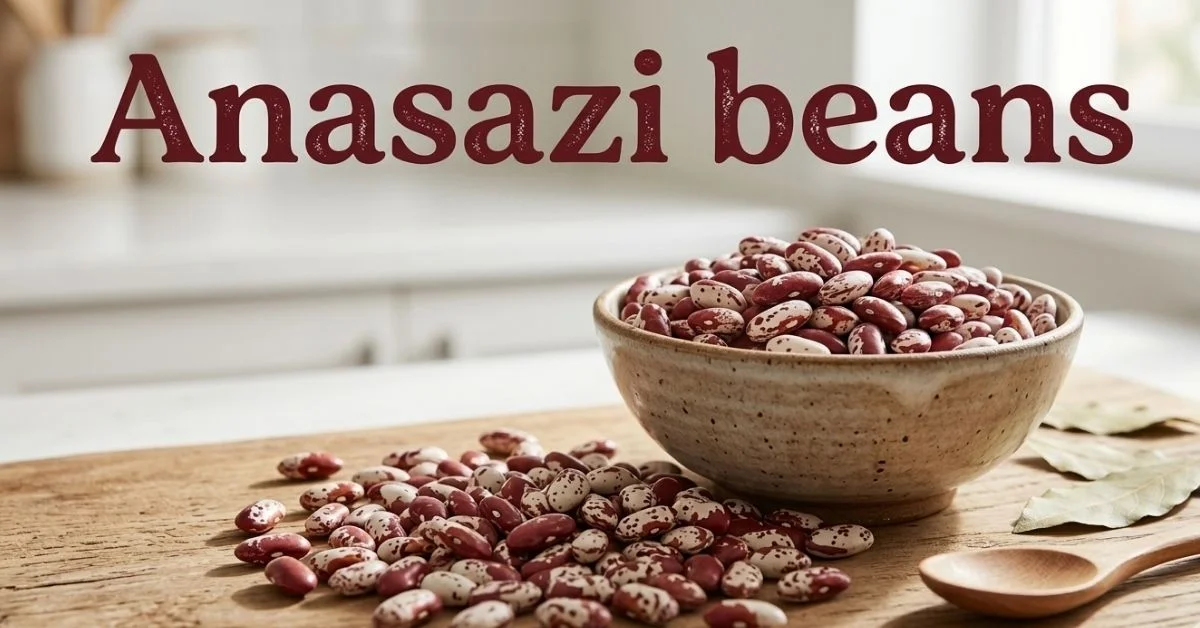
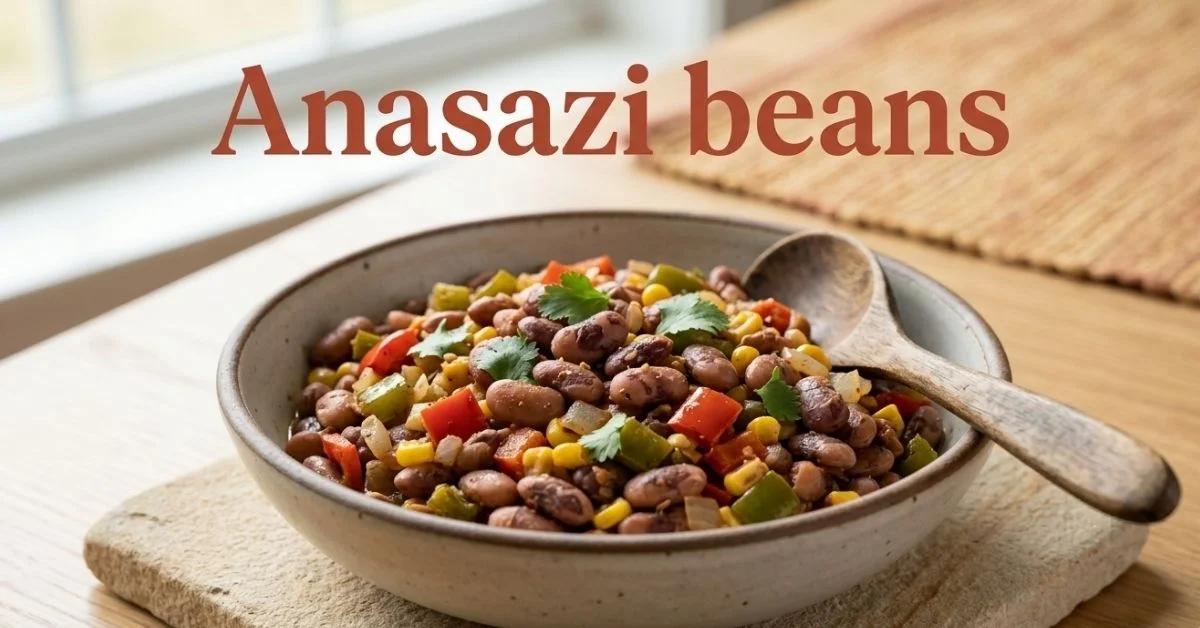
Anasazi beans are heirloom legumes known for their distinctive red and white speckled appearance. They are slightly sweeter than many common beans and tend to cook faster, which makes them practical for everyday cooking.
These beans trace back to ancient farming practices in the Colorado Plateau, particularly within the Native American cuisine. They were cultivated by early communities who valued them for both nutrition and storage stability.
In terms of characteristics, Anasazi beans have a softer texture once cooked and a mild, nutty flavor. Compared to many modern bean varieties, they are considered a traditional or heirloom food, meaning they have been preserved without heavy genetic modification.
Nutritional Value of Anasazi Beans
Protein, Fiber, and Key Nutrients
Anasazi beans are a strong source of plant-based protein, making them useful for vegetarians and anyone trying to reduce meat consumption. A single serving provides a good balance of protein and complex carbohydrates.
They are also high in fiber, which supports digestion and helps maintain stable energy levels. This combination of protein and fiber makes them filling, which is useful for weight management and overall diet control.
Beyond that, they contain essential nutrients like iron, magnesium, and potassium. These minerals support muscle function, oxygen transport, and heart health, making anasazi beans a well-rounded addition to meals.
Low Glycemic Index Explained
One of the more important benefits of Anasazi beans is their low glycemic index. This means they release sugar into the bloodstream slowly, rather than causing sharp spikes.
For people managing blood sugar levels, this can make a real difference. Foods with a low glycemic index are often recommended in dietary approaches for long-term metabolic health.
In practical terms, eating Anasazi beans can help maintain steady energy throughout the day. This is especially useful for those trying to avoid crashes after meals or manage conditions like insulin resistance.
Health Benefits of Anasazi Beans
Supports Heart Health
The fiber in Anasazi beans plays a role in reducing cholesterol levels. Soluble fiber binds with cholesterol in the digestive system, helping remove it from the body.
They also contain potassium, which supports healthy blood pressure. Maintaining proper potassium levels helps balance sodium and reduces strain on the cardiovascular system.
When included regularly in a balanced diet, these beans contribute to long-term heart health. They work best alongside other whole foods rather than as a standalone solution.
Helps Control Blood Sugar
Because of their low glycemic index, Anasazi beans help avoid sudden spikes in blood sugar. This makes them a better option than many refined carbohydrates.
They are often recommended in diets focused on stable glucose levels. The combination of fiber and protein slows digestion, which helps regulate how sugar enters the bloodstream.
In real use, adding them to meals can make dishes more balanced. For example, pairing them with rice or vegetables improves overall nutrient distribution.
Improves Digestion
Fiber is essential for digestive health, and Anasazi beans provide a significant amount. This helps promote regular bowel movements and supports gut health.
Compared to some other beans, many people find Anasazi beans easier to digest. This may be due to their composition and the way they break down during cooking.
Proper preparation, such as soaking or rinsing, can further improve digestibility. These small steps often make a noticeable difference in comfort after eating.
Aids in Weight Management
Foods that are high in fiber and protein tend to keep you full longer. Anasazi beans fit well into this category, helping reduce unnecessary snacking.
They are also relatively low in fat, which makes them suitable for calorie-conscious diets. At the same time, they provide enough nutrients to keep meals satisfying.
In everyday use, they can replace heavier ingredients in dishes. For example, using them in place of processed meats can reduce overall calorie intake without sacrificing flavor.
Taste, Texture, and Comparison
What Do Anasazi Beans Taste Like?
Anasazi beans have a mild, slightly sweet flavor that sets them apart from stronger-tasting beans. This makes them easy to use in a wide range of dishes.
Their texture becomes soft and creamy when cooked properly. Unlike some beans that stay firm, anasazi beans tend to break down slightly, which works well in soups and stews.
Because of their balanced flavor, they pair well with spices like cumin, garlic, and chili powder. This makes them a natural fit for southwestern-style cooking.
Anasazi Beans vs Pinto Beans
Compared to pinto beans, Anasazi beans cook faster and often require less soaking time. This is one of their main practical advantages.
In terms of taste, they are slightly sweeter and less earthy than pinto beans. This subtle difference can change the overall flavor of a dish.
Nutritionally, both beans are similar, but Anasazi beans are often considered easier to digest. This can make them a better choice for people sensitive to legumes.
Why They Are Easier to Digest
Many people report less bloating when eating Anasazi beans compared to other varieties. While individual results vary, this is a commonly noted benefit.
Part of this comes down to how the beans break down during cooking. They tend to soften more easily, which may help the digestive process.
Preparation also matters. Soaking and rinsing beans removes certain compounds that can cause discomfort, making them easier on the stomach.
How to Cook Anasazi Beans
Do You Need to Soak Them?
Soaking is not strictly required for Anasazi beans, but it can reduce cooking time and improve texture. A typical soak lasts 6 to 8 hours.
If you skip soaking, expect a longer cooking time. This is manageable, but planning ahead can make the process smoother.
A quick soak method can also work. Boil the beans briefly, and then let them sit for an hour before cooking.
Stovetop Cooking Method
Start by rinsing the beans thoroughly. Add them to a pot with water, along with ingredients like garlic, onion, and bay leaves for flavor.
Bring the water to a boil, and then reduce to a simmer. Cook for about 60 to 90 minutes, depending on whether the beans were soaked.
Check for tenderness as they cook. The beans should be soft but not falling apart completely.
Instant Pot Method
Using a Instant Pot speeds up the process significantly. Add rinsed beans and water, then cook on high pressure.
For soaked beans, 20 to 25 minutes is usually enough. For uncooked beans, increase the time to around 35 to 40 minutes.
Allow natural pressure release for the best texture. This helps the beans finish cooking evenly.
Slow Cooker Method
A slow cooker is ideal for hands-off cooking. Add beans, water, and seasonings, then cook on low for 6 to 8 hours.
This method develops deeper flavor because of the longer cooking time. It works well for soups and stews.
Make sure the beans are fully covered with liquid throughout cooking. This prevents uneven texture.
Cooking Tips for Best Results
Cooking time can vary depending on the age of the beans. Older beans take longer to soften, so adjust your expectations accordingly.
Flavor improves when you cook beans with aromatics like onion, garlic, and spices. Adding salt toward the end helps avoid tough skins.
Avoid overcrowding the pot. Beans need space and enough water to cook evenly. Stir occasionally to prevent sticking.
Easy Anasazi Bean Recipes
Simple Anasazi Bean Soup
This is one of the easiest ways to start. Combine cooked beans with vegetable broth, garlic, and spices for a basic soup.
Let it simmer until the flavors blend. You can blend part of the soup for a thicker texture while keeping some whole beans.
This recipe works well for beginners because it is forgiving. You can adjust seasoning based on taste.
Southwestern Bean Bowl
Use cooked beans as a base with rice, vegetables, and toppings like avocado. Add spices such as cumin and chili powder.
This type of meal is balanced and easy to customize. You can keep it vegetarian or add protein if needed.
It’s also practical for meal prep. The ingredients store well and can be mixed in different combinations.
Vegan Anasazi Chili
Replace traditional beans with Anasazi beans in chili. Add tomatoes, onions, and spices for a rich flavor.
Slow cooking works best for this dish, allowing the flavors to develop fully. The beans soften and absorb the seasoning.
This is a good option for colder weather or larger meals. It reheats well and often tastes better the next day.
Storage and Buying Tips
Dried Anasazi beans should be stored in a cool, dry place. Airtight containers help prevent moisture and pests.
They can last up to a year or more, but fresher beans cook faster and taste better. Always check for damage or discoloration before use.
When buying, look for clean, evenly colored beans. Avoid packages with broken pieces or excessive dust.
Are There Any Side Effects?
Like most legumes, Anasazi beans can cause gas in some people. This is usually due to natural compounds that ferment in the gut.
Soaking, rinsing, and proper cooking reduce these effects. Gradually increasing intake also helps the body adjust.
People with specific dietary restrictions should consult a professional. While generally safe, moderation is always a good approach.
Conclusion
Anasazi beans stand out as a practical, nutritious, and versatile ingredient for everyday cooking. They offer a solid balance of protein, fiber, and essential nutrients while being easier to digest than many other beans. Their mild, slightly sweet flavor makes them easy to use in soups, bowls, and hearty meals without much effort. With simple cooking methods and flexible recipes, they fit naturally into both traditional and modern diets. Whether you are focusing on health, convenience, or variety, they are a reliable option worth adding to your pantry. Start with a basic recipe and adjust it to your taste as you get comfortable.
FAQs
What are Anasazi beans?
Anasazi beans are heirloom legumes known for their red and white pattern, mild flavor, and strong nutritional value.
Are Anasazi beans healthier than pinto beans?
They are similar nutritionally, but Anasazi beans may be easier to digest and have a slightly lower glycemic impact.
Do Anasazi beans need soaking?
Soaking is optional but helps reduce cooking time and improves texture.
What do Anasazi beans taste like?
They have a mild, slightly sweet, and nutty flavor compared to more earthy beans.
Can you cook Anasazi beans in an Instant Pot?
Yes, they cook well in an Instant Pot and require significantly less time than stovetop methods.
Are Anasazi beans good for weight loss?
Yes, their fiber and protein content help keep you full, which supports weight management.
-

 Food1 week ago
Cuts of Steak: Complete Guide to Beef Cuts
-

 Food1 week ago
What Is Andouille Sausage? Complete Guide
-

 Food1 week ago
Black Pudding Guide: History, Recipe & Nutrition
-

 Drinks1 week ago
Easy Lychee Martini Recipe Sweet & Floral Cocktail
-

 Food1 week ago
Ultimate Tripas Recipe and Cooking Guide
-

 Food1 week ago
Shirleys Coffee Shop Guam Locations Menu and Guide
-

 Food5 days ago
Italian Ice Flavoring Guide: Flavors, Bases, and Recipes
-

 Blog3 days ago
Saltwater Kitchen & Sushi: Menu, Reviews, and Visitor Guide