
Food
Powerful Coconut Water with Pineapple Health Benefits

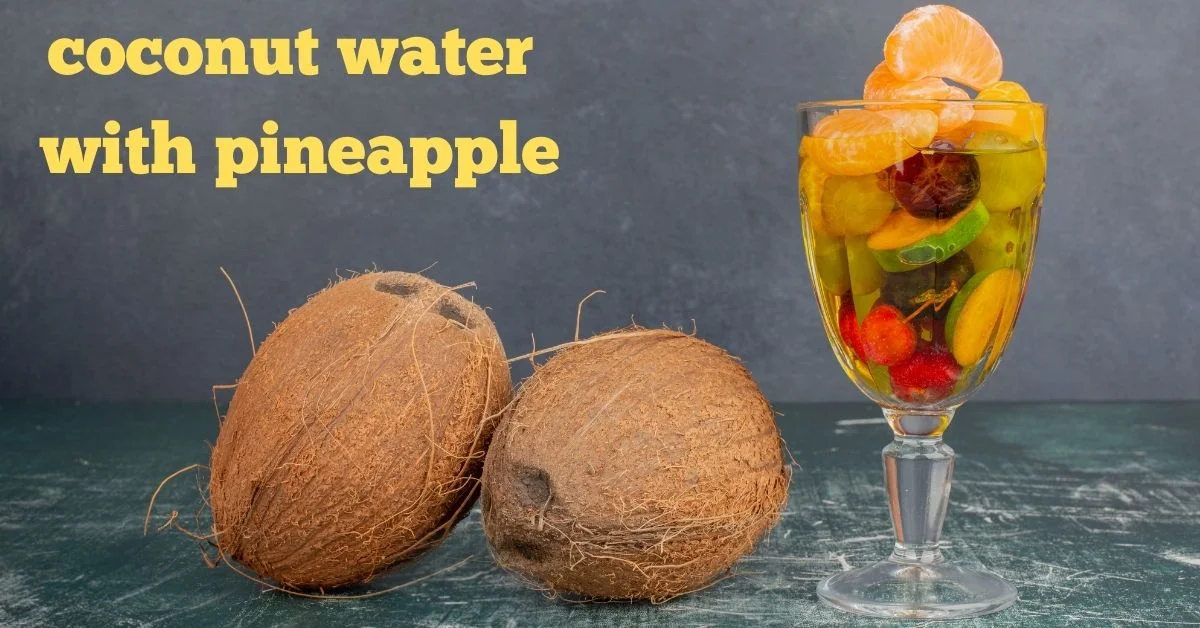
Many people look for simple, natural ways to stay hydrated and improve their overall health, especially in hot weather or after physical activity. Store-bought drinks often contain added sugars or artificial ingredients, which makes it harder to find something both refreshing and genuinely beneficial. This is where coconut water with pineapple stands out as a practical option.
This combination brings together natural hydration and nutritional value in one drink. It offers essential minerals, enzymes, and vitamins that support everyday wellness without unnecessary additives. Whether your goal is better digestion, improved hydration, or a cleaner alternative to sugary beverages, this drink fits easily into a balanced routine.
What Is Coconut Water with Pineapple?
Coconut water with pineapple is a simple drink made by combining fresh coconut water with pineapple juice or blended pineapple. It is commonly enjoyed as a light, refreshing beverage, especially in warm climates where hydration is essential.
The natural sweetness of pineapple balances the mild, slightly nutty taste of coconut water. Together, they create a drink that feels more satisfying than plain water while still being low in calories compared to many packaged drinks.
This combination has gained popularity because it fits well into modern eating habits. People are increasingly choosing natural drinks that support hydration, digestion, and overall wellness without relying on processed ingredients.
Read also: How Long Do Dates Last? Tips to Keep Them Fresh
Nutritional Value of Coconut Water and Pineapple
Key Nutrients in Coconut Water
Coconut water is known for its high content of Electrolytes, especially Potassium. These minerals help maintain fluid balance in the body, making it a popular natural hydration drink.
It also contains small amounts of magnesium and calcium, which support muscle function and nerve activity. Unlike many sports drinks, coconut water provides these nutrients without artificial additives or excessive sugar.
Because it is naturally low in calories, coconut water fits well into daily routines. It supports hydration while keeping overall energy intake in check, which is important for long-term health management.
Nutrients Found in Pineapple
Pineapple is rich in Vitamin C, which plays a key role in supporting the immune system. It also contains antioxidants that help protect the body from everyday stress caused by environmental factors.
One of the most important compounds in pineapple is Brome lain. This enzyme supports digestion by helping break down proteins more efficiently.
Pineapple also provides natural sugars along with fiber when consumed whole or blended. This combination gives a steady source of energy without the sharp spikes often seen with processed drinks.
Top Health Benefits of Coconut Water with Pineapple
Boosts Hydration with Natural Electrolytes
Coconut water with pineapple is an effective way to support hydration, especially during hot weather or after physical activity. The natural electrolytes help replace minerals lost through sweat.
Unlike artificially flavored drinks, this combination delivers hydration in a more natural form. It supports fluid balance without overwhelming the body with added sugars or chemicals.
For people dealing with Dehydration, this drink can be a helpful addition to their daily intake. It provides both fluids and essential nutrients in one simple option.
Supports Digestion with Brome lain
Pineapple contributes to better digestion through brome lain, which helps the body process proteins more effectively. This can reduce feelings of heaviness after meals.
When combined with coconut water, the drink becomes light and easy on the stomach. It is often preferred by people who experience mild Digestive issues.
Regular intake in moderate amounts may support gut comfort over time. It works best when included as part of a balanced diet rather than relied on as a quick fix.
Strengthens Immunity with Vitamin C
The vitamin C content in pineapple plays a key role in maintaining immune health. It supports the body’s natural defense system and helps manage oxidative stress.
Coconut water adds hydration, which is equally important for immune function. Proper hydration allows the body to transport nutrients more efficiently.
Together, they form a simple drink that supports everyday wellness. It is not a cure, but it can contribute to a stronger, more balanced immune response.
May Support Weight Loss Goals
Coconut water with pineapple is often included in routines focused on Weight loss because it is relatively low in calories compared to sugary beverages.
It can help reduce cravings for processed drinks, which often contain empty calories. Replacing those drinks with a natural option can support better eating habits.
However, it is important to keep expectations realistic. This drink supports a healthy lifestyle but does not directly cause weight loss without proper diet and activity.
Aids Post-Workout Recovery
After exercise, the body needs fluids and minerals to recover. Coconut water provides electrolytes that help restore balance quickly.
Adding pineapple introduces natural sugars that can help replenish energy levels. This makes the drink useful for Post-workout recovery.
Many people prefer this combination as a lighter alternative to commercial recovery drinks. It feels refreshing while still supporting recovery needs.
How This Drink Works in Your Body

When you drink coconut water with pineapple, the electrolytes help regulate fluid levels in your body. This supports hydration at a cellular level, not just surface thirst.
At the same time, enzymes like brome lain assist the digestive process. This can improve how efficiently your body breaks down and absorbs nutrients from food.
There is also a connection between hydration and metabolism. When the body is properly hydrated, it can maintain energy balance more effectively, which supports overall metabolic function.
Best Time to Drink Coconut Water with Pineapple
Drinking this combination in the morning can help rehydrate your body after sleep. It provides a gentle start without the heaviness of sugary drinks.
After exercise is another ideal time. The body has lost fluids and minerals, and this drink helps restore them naturally while also providing light energy.
During hot weather, it works as a practical hydration option. It helps maintain fluid levels and can reduce the risk of fatigue caused by heat.
Easy Homemade Recipe (Step-by-Step)
Ingredients
You need fresh coconut water and ripe pineapple as the base ingredients. Using fresh sources improves both taste and nutritional value.
Optional additions include mint leaves, lemon juice, or chia seeds. These can enhance flavor and add extra nutrients depending on your preference.
Keeping the ingredient list simple ensures the drink remains natural and easy to prepare at home.
Preparation Method
Start by cutting fresh pineapple into small pieces. Add it to a Blender and blend until smooth.
Strain the mixture if you prefer a lighter texture, or keep it as is for added fiber. Then mix it with fresh coconut water in your desired ratio.
Stir well and serve immediately for the best taste. Fresh preparation helps retain nutrients and natural flavor.
Pro Tips for Best Taste
Use chilled coconut water for a more refreshing experience. It enhances the overall feel of the drink, especially in warm weather.
Adjust the pineapple quantity depending on your taste preference. More pineapple adds sweetness, while less keeps the drink lighter.
Avoid adding sugar unless necessary. The natural sweetness is usually enough and keeps the drink healthier.
Healthy Variations to Try
Adding mint creates a cooling effect that pairs well with the tropical flavor. It also adds a fresh aroma that enhances the drinking experience.
Lemon juice introduces a slight tang and increases vitamin C content. This variation works well for those who prefer a sharper taste.
Chia seeds can be added for texture and additional nutrients. They absorb liquid and create a slightly thicker consistency, making the drink more filling.
Who Should Drink It?
This drink is suitable for people who want a natural hydration option. It fits well into daily routines, especially during warm seasons.
Fitness enthusiasts often include it in their diet for hydration and recovery. It provides a simple alternative to processed sports drinks.
It is also useful for individuals dealing with mild digestion concerns. However, moderation is important to avoid excess sugar intake.
Are There Any Side Effects?
While coconut water with pineapple is generally safe, overconsumption can lead to excess sugar intake. Even natural sugars should be consumed in balance.
People with specific health conditions, such as blood sugar concerns, should monitor portion sizes. It is always better to consult a professional if unsure.
In some cases, too much pineapple may cause mild digestive discomfort. Paying attention to your body’s response helps avoid these issues.
Homemade vs Store-Bought: Which Is Better?
Homemade coconut water with pineapple gives you full control over ingredients. You avoid added sugars, preservatives, and artificial flavors.
Store-bought versions are convenient but may contain additives. Reading labels carefully is important if you choose packaged options.
For long-term health, fresh preparation is generally the better choice. It ensures better nutrient quality and a more natural taste.
How Often Should You Drink It?
This drink can be enjoyed a few times per week as part of a balanced diet. It works well as a supplement to regular water intake, not a replacement.
Daily consumption is possible in moderate amounts, especially for active individuals or during hot weather.
Listening to your body is key. Adjust frequency based on your activity level, diet, and overall health needs.
Conclusion
Coconut water with pineapple is a simple yet effective way to support hydration, digestion, and overall wellness without relying on processed drinks. It combines natural electrolytes, vitamin C, and digestive enzymes in a form that is easy to include in daily life. This drink works best when used consistently and in moderation as part of a balanced routine. It can be especially useful after workouts, during hot weather, or when you want a cleaner alternative to sugary beverages. While it offers real benefits, it is important to keep expectations realistic and focus on overall lifestyle habits. If you are looking for a practical, natural hydration option, this is worth trying at home.
FAQs
Is coconut water with pineapple healthy?
Yes, it provides hydration, vitamins, and natural enzymes that support overall wellness when consumed in moderation.
Can this drink help with weight loss?
It can support weight management by replacing high-calorie drinks, but it does not directly cause weight loss.
When should I drink it for best results?
Morning, after workouts, or during hot weather are the most effective times to consume it.
Is it good for digestion?
Yes, pineapple contains bromeliad, which may help improve digestion and reduce discomfort.
Can I drink it daily?
Yes, but moderation is important to avoid excessive sugar intake from pineapple.
Is fresh better than packaged?
Fresh is generally better because it contains no additives and retains more nutrients.


Dunkin’s Vanilla Creme Donut Dunkin is one of those treats that instantly makes you smile. The soft, fluffy yeast-raised dough, filled with creamy vanilla custard and lightly dusted with powdered sugar, gives a melt-in-your-mouth experience that is both indulgent and comforting. The donut’s gentle vanilla flavor is not overpowering, making it a versatile option for all ages. Many enjoy pairing it with hot coffee, iced lattes, or even chocolate milk to balance the sweetness and enhance the flavor. Its simple presentation and comforting taste evoke nostalgia, reminding many adults of bakery-style donuts from their childhood.
The Vanilla Creme Donut Dunkin has become a go-to choice for breakfast, mid-morning snack, or coffee breaks, combining rich flavor with an easy, portable treat. Its light dough ensures that the custard filling shines, creating a satisfying contrast with every bite.
Read also: Easy Recipe for Mediterranean Fish
Ingredients of Vanilla Creme Donut Dunkin
The Vanilla Creme Donut Dunkin uses a combination of simple bakery ingredients that deliver its signature flavor and texture:
-
Enriched wheat flour
-
Sugar
-
Yeast
-
Palm and canola oils
-
Eggs
-
Skim milk and cream
-
Vanilla extract
-
Salt
-
Powdered sugar for topping
-
Natural and artificial flavors
The yeast dough makes the donut soft and airy, while the creamy vanilla custard gives a smooth, rich filling. The powdered sugar on top adds just enough sweetness and makes the donut visually appealing. All ingredients are crafted to create a classic, comforting flavor that fans love.
Calories and Nutritional Information
A single Vanilla Creme Donut Dunkin contains approximately 340 calories. The nutritional breakdown is:
-
Total fat: 18g
-
Saturated fat: 7g
-
Trans fat: 0g
-
Cholesterol: 40mg
-
Sodium: 260mg
-
Total carbohydrates: 42g
-
Sugars: 20g
-
Protein: 5g
This donut is indulgent but manageable as an occasional treat. Pairing it with a protein-rich beverage, like milk or a protein coffee shake, can help balance sugar intake while still enjoying the creamy vanilla flavor.
Price and Availability
The Vanilla Creme Donut Dunkin usually costs between $1.49 and $1.79 depending on your location. It’s available at most Dunkin outlets nationwide and can also be ordered through the Dunkin mobile app for delivery or pickup. Seasonal promotions sometimes feature combo deals with coffee, making it easier to enjoy this classic donut without skipping your morning routine.
Why the Vanilla Creme Donut Dunkin Stands Out
The Vanilla Creme Donut Dunkin stands out because of its texture, flavor balance, and nostalgic appeal. The yeast-raised dough is light and airy, while the creamy vanilla custard provides a rich, smooth contrast. Unlike overly sweet donuts, this option remains balanced, making it appealing to a wide audience. Many fans highlight its comforting and familiar taste, which recalls childhood bakery experiences.
Its versatility is another reason it’s popular. The Vanilla Creme Donut Dunkin works as a snack, breakfast item, or coffee companion. Its compatibility with both hot and cold beverages makes it an all-day treat.
Taste and Texture Review
Biting into the Vanilla Creme Donut Dunkin gives a soft, slightly firm outer dough that holds the creamy custard filling in place. The filling is smooth, sweet, and lightly aromatic, offering a classic vanilla flavor without being artificial. Powdered sugar adds subtle sweetness, while the overall donut remains light rather than heavy. Many fans describe it as comforting, simple, and reliable—a donut you can enjoy anytime.
Pairing Ideas for Vanilla Creme Donut Dunkin
Pairing enhances the experience of enjoying the Vanilla Creme Donut Dunkin. Consider these combinations:
-
Hot brewed coffee or espresso for a bold contrast
-
Iced coffee or cold brew for a refreshing twist
-
Hot chocolate for extra indulgence
-
Vanilla or caramel lattes for complementary flavors
-
Milk or chocolate milk for a classic combination
These pairings allow the donut to shine while balancing its sweetness, creating a full flavor experience.
Comparisons with Other Dunkin Donuts
The Vanilla Creme Donut Dunkin can be compared with other popular filled and frosted donuts from Dunkin:
-
Boston Cream Donut: Chocolate-coated with custard, richer chocolate flavor
-
Strawberry-Filled Donut: Fruity filling, lighter vanilla taste but sweeter overall
-
Crème Brûlée Donut: Caramelized sugar topping, more decadent flavor
The Vanilla Creme Donut Dunkin is simpler, creamy, and less sweet, perfect for classic flavor lovers.
Allergen and Dietary Information
For those with dietary restrictions, it’s important to note that the Vanilla Creme Donut Dunkin contains eggs, milk, wheat, and traces of soy. It is not suitable for gluten-intolerant or dairy-allergic individuals. Dunkin does not currently offer a vegan or gluten-free version. Those monitoring sugar intake should note the donut has 20g of sugar per serving.
Regional Availability
While the Vanilla Creme Donut Dunkin is widely available across most Dunkin outlets in the U.S., availability may vary by region and store size. Smaller or seasonal locations may rotate flavors, so checking through the Dunkin app or calling your local store ensures it’s in stock.
Seasonal and Limited-Time Variations
Although the classic Vanilla Creme Donut Dunkin is available year-round, Dunkin sometimes releases limited-time variations during holidays. You may encounter subtle twists, such as spiced custard for winter or festive toppings during holidays. These seasonal editions maintain the classic flavor while adding a unique touch for celebrations.
Serving Suggestions for Vanilla Creme Donut Dunkin
The Vanilla Creme Donut Dunkin is versatile:
-
Warm with coffee or cappuccino for breakfast
-
Paired with cold milk for a classic snack
-
Sliced on a breakfast platter with berries and yogurt
-
Used as a dessert base with chocolate or caramel drizzle
-
Part of a brunch spread with muffins, bagels, and fruit
These ideas enhance the flavor and make the donut a flexible option for any occasion.
Storage and Freshness Tips
To enjoy the Vanilla Creme Donut Dunkin at its best:
-
Store in an airtight container at room temperature for up to 24 hours
-
Refrigerate for up to 2 days, but the dough may firm slightly
-
Avoid freezing, as the custard filling can separate
-
Reheat briefly in the microwave to restore softness
Proper storage ensures the donut maintains its intended texture and flavor.
Homemade Copycat Version
For those who want to recreate the Vanilla Creme Donut Dunkin at home:
-
Prepare yeast dough with flour, sugar, yeast, eggs, milk, and butter
-
Make vanilla custard with milk, sugar, eggs, cornstarch, and vanilla extract
-
Fry dough, fill with custard using a piping bag, and dust with powdered sugar
This DIY version allows you to control sweetness and experiment with flavors while still capturing the classic donut taste.
Dietary Alternatives
If you want a lighter option:
-
Use Greek yogurt and vanilla extract instead of custard
-
Bake the dough instead of frying
-
Substitute whole wheat or oat flour for added fiber
These changes retain much of the vanilla flavor while making the donut slightly healthier.
Customer Reviews and Popularity
Fans praise the Vanilla Creme Donut Dunkin for:
-
Creamy, smooth filling that’s not overly sweet
-
Soft, fluffy dough that melts in the mouth
-
Perfect portion for a snack or breakfast
-
Consistent flavor across locations
Many enjoy it alongside coffee, noting how the donut complements the drink’s bitterness. Social media posts often highlight nostalgia, with adults recalling similar bakery-style donuts from their childhood.
Fun Facts About Vanilla Creme Donut Dunkin
-
It’s a nostalgic favorite, reminding many adults of childhood donuts
-
Yeast-raised dough makes it lighter than typical cake donuts
-
Powdered sugar adds subtle sweetness and enhances visual appeal
-
Often called a “comfort food” by fans
These details show why the Vanilla Creme Donut Dunkin is more than just a donut—it’s an experience.
Serving Ideas for Occasions
The Vanilla Creme Donut Dunkin is perfect for:
-
Breakfast buffets
-
Office snacks
-
Weekend coffee mornings
-
Small parties or gatherings
-
Paired with fresh fruit or berries for a balanced treat
Its simple elegance makes it a hit at events without needing fancy presentation.
Conclusion
The Vanilla Creme Donut Dunkin is a classic treat that combines fluffy yeast dough with smooth vanilla custard and a light powdered sugar topping. With around 340 calories, it’s indulgent but not overwhelming. Its nostalgic flavor, soft texture, and versatility make it a favorite for breakfast, snacks, or coffee breaks. Whether you enjoy it in-store, order via the Dunkin app, or try a homemade version, this donut delivers a comforting, creamy, and satisfying experience every time. Fans love its balance of sweetness and simplicity, making it a timeless choice among Dunkin donuts.
FAQs
How many calories are in Dunkin Vanilla Creme Donut?
About 340 calories per donut.
What ingredients are used in Dunkin Vanilla Creme Donut?
Flour, sugar, yeast, eggs, milk, cream, vanilla extract, and powdered sugar.
Is Dunkin Vanilla Creme Donut good?
Yes, it’s soft, creamy, and lightly sweet, making it a favorite snack.
How much does Dunkin Vanilla Creme Donut cost?
Usually between $1.49 and $1.79, depending on location.
Can I order Dunkin Vanilla Creme Donut online?
Yes, through the Dunkin mobile app for delivery or pickup.
What drinks pair well with Vanilla Creme Donut Dunkin?
Coffee, iced lattes, hot chocolate, or milk complement the flavor perfectly.
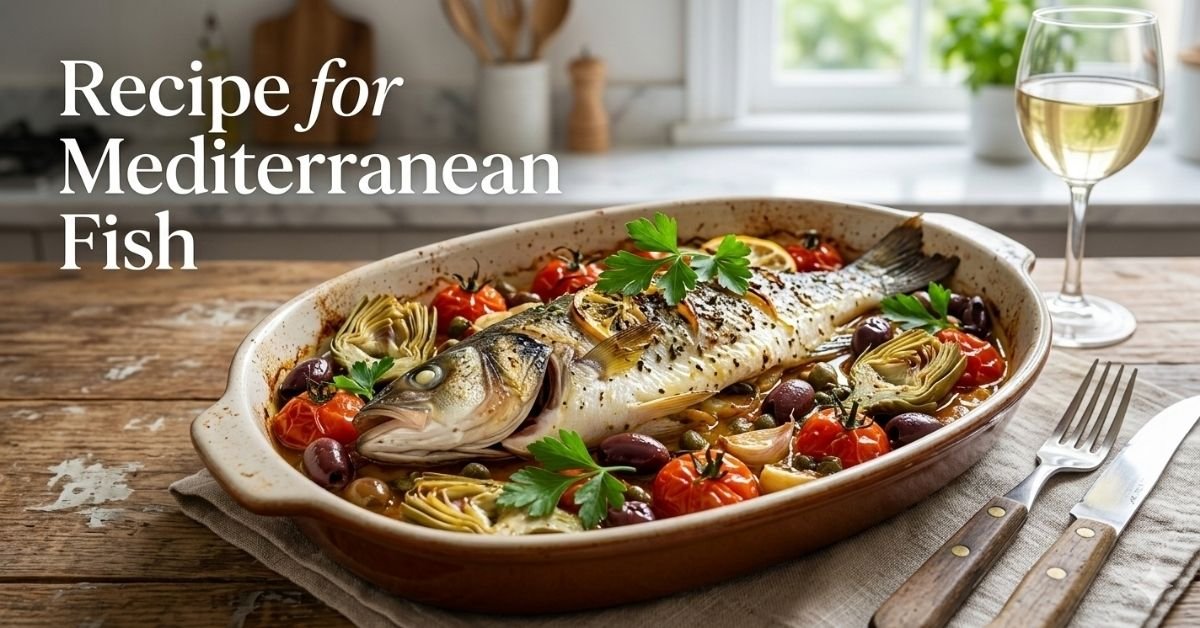
Mediterranean fish is a favorite for anyone who loves fresh, healthy meals full of flavor. This recipe for Mediterranean fish brings together tender white fish, bright cherry tomatoes, briny olives, and fragrant herbs for a dish that’s both easy and satisfying. Perfect for a weeknight dinner or a special occasion, this baked fish recipe is simple enough for beginners but flavorful enough to impress. You’ll learn how to balance acidity, roast vegetables perfectly, and season your fish for maximum taste.
Cooking Mediterranean-style fish isn’t just about following steps; it’s about understanding how flavors work together. The bright lemon, garlic, and olive combination creates a dish that’s fresh and aromatic. By using this recipe, you’ll also learn handy cooking tips like choosing the best white fish, adjusting cooking times, and adding substitutions when needed.
Read also: Easy Shrimp Ceviche Recipe Mexican
Ingredients
-
4 white fish fillets (cod, halibut, or tilapia)
-
1 cup cherry tomatoes, halved
-
1/2 cup Kalamata olives, pitted and halved
-
1/2 cup artichoke hearts, quartered
-
2 tablespoons capers, drained
-
3 cloves garlic, minced
-
2 tablespoons olive oil
-
1 teaspoon dried oregano
-
Juice of 1 lemon
-
Salt and pepper to taste
-
Fresh parsley, chopped for garnish
Optional Ingredients:
-
Feta cheese, crumbled
-
Red pepper flakes for extra heat
-
White wine for added depth
Choosing the Right Fish
Selecting the right fish is key to making this recipe successful. White fish like cod, halibut, or tilapia work best because they have a firm texture that holds up during baking. Freshness is important; look for fish that smells clean, not fishy, and has firm flesh. If fresh fish isn’t available, frozen fillets are fine—just thaw them completely before cooking.
Substitutions can help when certain fish are unavailable. Mahi mahi or sea bass can also work well. Make sure to adjust cooking times depending on the thickness of the fillets, as thicker pieces need slightly longer in the oven.
Preparing the Vegetables
Vegetables add both flavor and color to Mediterranean fish. Cherry tomatoes roast beautifully and release natural sweetness that complements the fish. Kalamata olives give a salty depth, while artichoke hearts and capers add a tangy bite.
Tips for prep:
-
Halve the cherry tomatoes for faster roasting.
-
Rinse capers to remove excess salt.
-
Cut artichoke hearts into small quarters for even cooking.
-
Toss all vegetables with olive oil, salt, and pepper before adding them to the fish.
Roasting vegetables along with fish helps blend flavors and reduces cleanup since it’s all cooked on one pan.
Marinating the Fish
A simple marinade enhances flavor without being complicated. Combine lemon juice, olive oil, garlic, oregano, salt, and pepper. Brush it over both sides of the fish fillets and let them sit for 10–15 minutes.
Marinating helps the fish absorb flavors and keeps it moist during baking. Avoid marinating too long, especially with acidic ingredients like lemon juice, because it can start to “cook” the fish and affect texture.
Baking the Fish
Preheat your oven to 425°F (220°C). Place the marinated fish fillets on a baking sheet lined with parchment paper. Arrange vegetables around the fish, making sure they’re spread evenly for uniform cooking.
Bake for 12–15 minutes, depending on thickness, or until the fish reaches an internal temperature of 145°F (63°C). The fish should flake easily with a fork. If you like a golden top, broil for 1–2 minutes at the end.
One-Pan Cooking Tips
Cooking everything on one pan makes this recipe quick and cleanup easy. Here are some tips:
-
Space fish fillets apart so they cook evenly.
-
Use parchment paper to prevent sticking.
-
Roast vegetables first if they require longer cooking.
-
Keep an eye on cherry tomatoes—they can overcook quickly.
One-pan meals are perfect for weeknights because they save time and dishes while still producing a flavorful, healthy dinner.
Balancing Flavors
Mediterranean fish is all about balance. The acidity from lemon, saltiness from olives and capers, and sweetness from roasted tomatoes need to complement each other. Taste and adjust seasoning before serving.
Adding fresh parsley at the end brightens the dish, while optional feta adds creaminess. If you want a little extra depth, a splash of white wine during baking enhances the aroma without overpowering other flavors.
Serving Suggestions
Serve Mediterranean fish over a bed of:
-
Cooked quinoa or rice
-
Couscous or bulgur wheat
-
Roasted or steamed vegetables
You can also pair it with a side salad or warm pita bread for a full Mediterranean-inspired meal. Drizzle with extra lemon juice or olive oil just before serving for a fresh finish.
Storing Leftovers
Store any leftovers in an airtight container in the refrigerator for up to 2 days. Reheat gently in the oven or microwave to avoid drying out the fish. Avoid storing with vegetables that release a lot of moisture, as it can make the fish soggy.
Health Benefits
Mediterranean fish is low in calories, high in protein, and full of healthy fats from olive oil and olives. Adding vegetables increases fiber, vitamins, and minerals. This recipe supports heart health and provides a nutrient-rich meal without compromising on flavor.
Using fresh herbs like parsley and oregano not only enhances taste but also adds antioxidants, while fish itself provides omega-3 fatty acids that are great for brain and heart health.
Substitutions and Variations
-
Swap white fish with salmon for richer flavor.
-
Use green olives instead of Kalamata for a milder taste.
-
Replace lemon juice with lime juice for a different citrus note.
-
Add roasted red peppers or zucchini for extra vegetables.
-
Skip feta if you prefer a dairy-free dish.
These variations allow you to adapt the recipe based on preferences or what’s available in your kitchen.
Conclusion
This recipe for Mediterranean fish is simple, healthy, and full of vibrant flavors. By roasting fish with fresh vegetables, herbs, and olives, you get a complete, balanced meal that’s easy to make and packed with nutrients. Perfect for beginners or busy weeknights, it delivers a tasty Mediterranean experience at home with minimal effort. With a few simple tips, substitutions, and flavor adjustments, you can make this dish your own while enjoying a wholesome, satisfying dinner.
FAQs
Can I bake frozen fish for this recipe?
Yes, just thaw completely and adjust baking time slightly longer.
How do I prevent the fish from sticking?
Use parchment paper or lightly oil the baking sheet before placing fish.
What if I don’t have artichoke hearts?
You can omit or replace with roasted zucchini or bell peppers.
Can I make this recipe spicy?
Yes, add a pinch of red pepper flakes to the marinade.
How long should cherry tomatoes roast?
About 10–12 minutes at 425°F, just until they soften and release juices.
Can I use dried herbs instead of fresh?
Yes, but use about half the amount of dried herbs as fresh for balanced flavor.
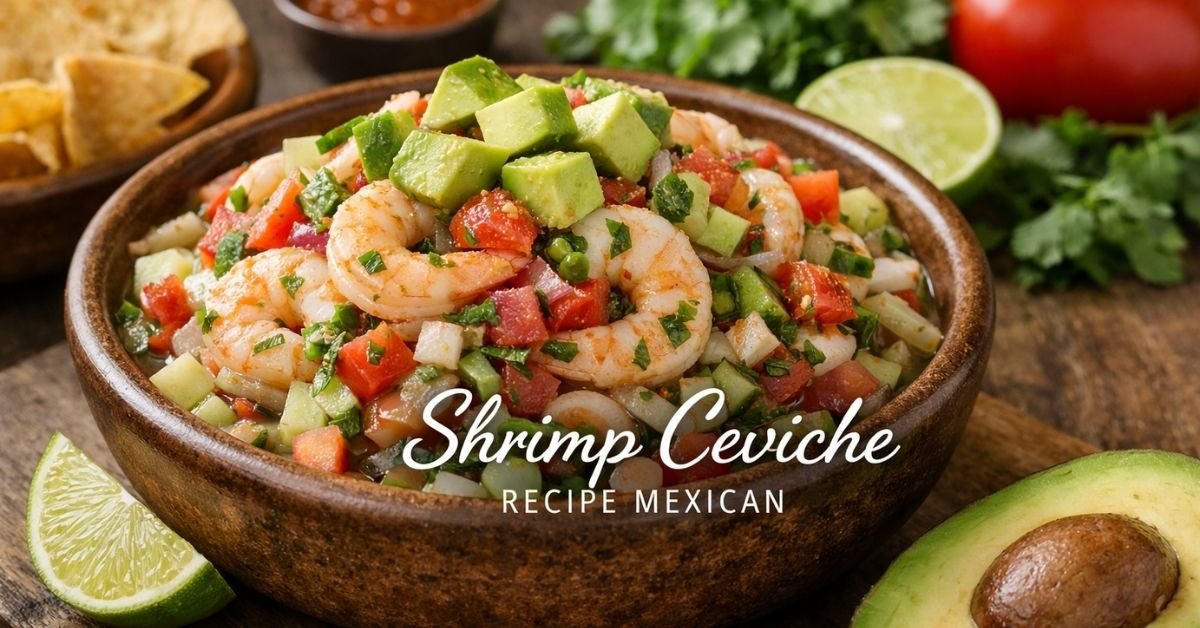
If you’ve been looking for a fresh, tangy, and flavorful dish, this Shrimp ceviche recipe mexican is exactly what you need. Shrimp ceviche is a classic Mexican dish that combines tender shrimp, zesty lime juice, crisp vegetables, and a touch of spice for a refreshing taste. This Shrimp ceviche recipe mexican is beginner-friendly and perfect for anyone wanting to enjoy an authentic Mexican seafood experience at home. By following this guide, you’ll learn how to marinate shrimp properly, balance flavors, and serve the dish in ways that bring out its natural colors and textures.
Read also: What is Carpaccio Beef: Definition and Recipe
Ingredients Needed for Shrimp Ceviche Recipe Mexican
-
1 pound raw shrimp, peeled and deveined
-
6–8 fresh limes, juiced
-
1–2 serrano or jalapeño peppers, finely chopped
-
2 Roma tomatoes, diced
-
1 small white onion, finely chopped
-
1 cucumber, peeled and diced
-
1 avocado, diced (add at the end to prevent browning)
-
2 tablespoons fresh cilantro, chopped
-
Salt and pepper to taste
-
Optional: ½ cup Clamato juice or tomato juice
-
Optional: Tortilla chips or tostadas for serving
This ingredient list ensures your Shrimp ceviche recipe mexican has all the right flavors and textures for a classic experience.
Choosing the Right Shrimp
For the best Shrimp ceviche recipe mexican, using the right shrimp is crucial. Medium-sized shrimp (about 21–25 count) are ideal because they stay tender without being rubbery. You can use raw shrimp that will “cook” in lime juice, giving that authentic ceviche texture. If you prefer pre-cooked shrimp, they only need a short marination time of 15–20 minutes so they soak up the flavor without becoming tough. Using the right shrimp ensures your Shrimp ceviche recipe mexican is fresh and delicious.
Preparing the Citrus Marinade
The lime juice in this Shrimp ceviche recipe mexican does more than add flavor—it “cooks” the shrimp. For best results, always use fresh lime juice. Mix lime juice with salt, pepper, and optional Clamato juice if you like a slightly richer flavor. Pour this mixture over your shrimp and refrigerate. Raw shrimp should marinate for 30–60 minutes, while pre-cooked shrimp only need 15–20 minutes. Timing is key for this Shrimp ceviche recipe mexican to achieve the perfect balance between tangy and tender.
Vegetable Preparation and Texture Tips
Vegetables give your Shrimp ceviche recipe mexican crunch, freshness, and color. Dice tomatoes and cucumber evenly so every bite is balanced. Chop onions and peppers finely to distribute heat. If you prefer mild spice, remove seeds from the peppers. Fresh cilantro is essential for authentic flavor, so chop just before mixing. Add avocado only at the very end to avoid browning, keeping your Shrimp ceviche recipe mexican visually appealing and creamy.
Mixing and Layering Flavors
Once the shrimp is marinated, drain excess citrus if it’s too strong. Gently fold in vegetables, cilantro, and optional Clamato juice. Taste and adjust seasoning with salt, pepper, or a pinch of celery salt for depth. Stir carefully so tomatoes and avocado remain intact. This careful mixing ensures your Shrimp ceviche recipe mexican stays fresh, tangy, and colorful with every bite.
Serving Suggestions for Shrimp Ceviche Recipe Mexican
Shrimp ceviche is versatile and can be served in many ways:
-
On tostadas with cilantro and diced avocado
-
In small bowls as an appetizer
-
With tortilla chips for casual snacking
-
As a side dish with grilled fish or seafood
Chilling the ceviche before serving enhances flavors and keeps the dish refreshing. Presentation matters, and these simple options make your Shrimp ceviche recipe mexican both tasty and inviting.
Regional Variations
Different regions in Mexico offer unique twists on Shrimp ceviche recipe mexican:
-
Sonora Style: Combines tomatoes, serrano peppers, and sometimes tomato juice for a slightly sweet taste.
-
Coastal Style: Emphasizes lime, onions, and peppers for a pure, citrus-forward flavor.
-
Quick Version: Uses pre-cooked shrimp for a 15–20 minute prep without compromising taste.
Exploring these variations lets you enjoy multiple versions of this Shrimp ceviche recipe mexican while learning about authentic Mexican culinary styles.
Spice Level Adjustments
Adjusting spice is easy in this Shrimp ceviche recipe mexican. Serrano peppers are hotter than jalapeños, so start small and taste as you go. Removing seeds reduces heat for milder flavor, while keeping seeds intensifies spice. Flavors develop during marination, so it’s better to start mild and add more heat if needed, ensuring your Shrimp ceviche recipe mexican suits everyone’s taste.
Make-Ahead and Storage Tips
While best fresh, this Shrimp ceviche recipe mexican can be prepped ahead:
-
Marinate shrimp separately and mix vegetables later.
-
Combine just before serving.
-
Store in an airtight container in the fridge for up to 24 hours.
-
Avoid freezing, as shrimp texture changes and vegetables get watery.
Following these steps keeps your Shrimp ceviche recipe mexican fresh and vibrant while saving prep time for busy days.
Health Notes
Shrimp ceviche is naturally low in calories and high in protein, making this Shrimp ceviche recipe mexican a healthy meal choice. Vegetables add fiber and vitamins, while lime juice provides vitamin C. Adding avocado contributes healthy fats and creaminess. Using fresh, high-quality shrimp reduces risks associated with raw seafood, keeping your Shrimp ceviche recipe mexican both safe and nutritious.
Common Mistakes to Avoid
-
Over-marinating shrimp can make it rubbery.
-
Adding avocado too early leads to browning.
-
Using bottled lime juice reduces flavor intensity.
-
Skipping salt or peppers makes the dish flat.
-
Not draining excess citrus can make the ceviche too sour.
Avoiding these mistakes ensures your Shrimp ceviche recipe mexican comes out perfectly every time.
Enhancing Flavor and Presentation
For a visually appealing Shrimp ceviche recipe mexican, serve in clear bowls or on colorful tostadas. Garnish with fresh cilantro, avocado, or a lime slice. Optional radish slices or a pinch of paprika add flair without changing the authentic taste. Small presentation touches elevate your Shrimp ceviche recipe mexican from simple to impressive for family or guests.
Conclusion
This Shrimp ceviche recipe mexican gives you a fresh, tangy, and colorful dish perfect for summer, parties, or a light meal. From choosing the right shrimp to marinating, mixing vegetables, and serving creatively, every step enhances flavor and texture. By following these simple steps, you can enjoy an authentic Mexican shrimp ceviche experience at home with vibrant flavors and easy preparation.
FAQs
How long should shrimp marinate in lime juice?
Raw shrimp need 30–60 minutes, pre-cooked shrimp 15–20 minutes.
Can I use pre-cooked shrimp?
Yes, just shorten marination time for proper texture.
Do I have to use Clamato juice?
No, it’s optional. Lime juice alone works for this Shrimp ceviche recipe mexican.
Can I make it ahead of time?
Yes, store shrimp and vegetables separately and mix before serving.
Which peppers are best for heat?
Serrano for spicy, jalapeño for mild. Adjust seeds for flavor.
How should I serve it?
Tostadas, bowls, or tortilla chips work best for this Shrimp ceviche recipe mexican.
-

 Food1 month ago
Cuts of Steak: Complete Guide to Beef Cuts
-

 Food1 month ago
What Is Andouille Sausage? Complete Guide
-

 Food1 day ago
Shirleys Coffee Shop Guam Locations Menu and Guide
-

 Food1 month ago
Ultimate Tripas Recipe and Cooking Guide
-

 Drinks1 week ago
Easy Lychee Martini Recipe Sweet & Floral Cocktail
-

 Food1 week ago
Italian Ice Flavoring Guide: Flavors, Bases, and Recipes
-

 Food1 week ago
Black Pudding Guide: History, Recipe & Nutrition
-

 Blog4 weeks ago
Saltwater Kitchen & Sushi: Menu, Reviews, and Visitor Guide