Drinks
Crank Your Lemonade Cred with 5 Easy Lemonade Sweet Tart Infusions

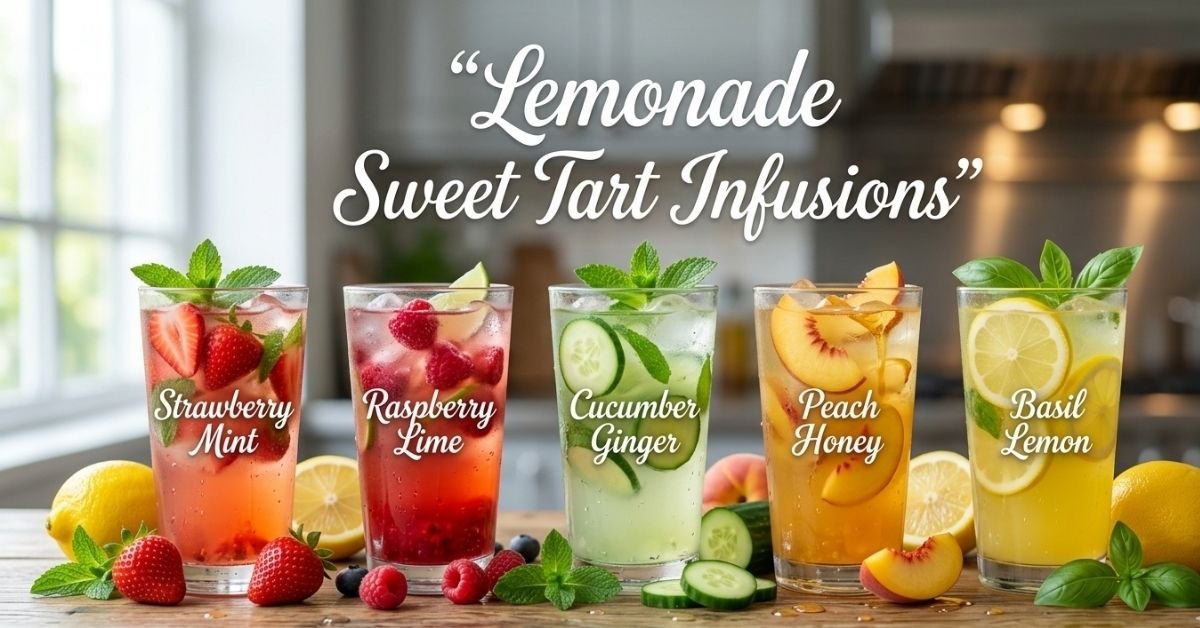
Lemonade has always been one of the most refreshing drinks for warm weather, but many people want something more interesting than the classic lemon, sugar, and water mixture. That is where Lemonade Sweet Tart Infusions become exciting. By adding herbs, fruits, or natural flavor ingredients, the drink becomes more layered and refreshing. These infusions highlight the bright citrus taste while balancing sweetness and acidity in a way that feels more sophisticated yet still easy to prepare at home.
The popularity of infused lemonade has grown because it allows simple customization without complicated cooking techniques. A basic pitcher of lemonade can be transformed using ingredients like basil, berries, mint, or even cucumber slices. Each infusion adds aroma, color, and subtle flavor complexity. This approach also makes lemonade feel closer to fresh café beverages or modern summer drinks served in restaurants.
Another reason these infusions are loved is their flexibility. They can be made as kid friendly drinks, low sugar beverages, or even cocktail bases for adults. The base lemonade recipe stays simple, while the infusion ingredients provide variety. Once you understand the basic ratio of lemon juice, sweetener, and water, you can easily create endless flavor combinations that suit your taste and season.
Read also: Easy Iced Korean Noodles Recipe (Bibim Guksu Style)
The Perfect Sweet Tart Lemonade Ratio
Before making any infusion, it helps to understand the classic sweet and tart balance that makes lemonade taste refreshing instead of overly sour. Many recipes online use slightly different ratios, which can confuse beginners. The most reliable base uses fresh lemon juice combined with water and a moderate amount of sweetener to soften the acidity.
A good starting formula for a pitcher of lemonade looks like this:
• 1 cup fresh lemon juice
• 4 cups cold water
• ½ to ¾ cup sugar or natural sweetener
• Ice cubes for serving
• Optional lemon slices for garnish
This balance creates a bright citrus drink that feels refreshing without becoming too sugary. Some people prefer slightly more tart lemonade, while others enjoy sweeter versions. Adjusting the sugar gradually allows you to control the flavor without losing the citrus brightness.
The infusion ingredients are added after the base mixture is prepared. They slowly release natural oils and fruit flavors into the lemonade. Herbs like mint and basil release fragrance quickly, while fruits such as berries or peaches add sweetness and color as they sit in the pitcher.
Ingredients Needed for Infused Lemonade
Creating Lemonade Sweet Tart Infusions does not require complicated ingredients. Most flavors come from fresh produce and simple pantry staples. Using fresh lemons and natural ingredients always produces the most vibrant taste and aroma.
Common ingredients used for infused lemonade include:
• Fresh lemons or bottled lemon juice
• Cold filtered water
• Sugar, honey, agave nectar, or maple syrup
• Fresh mint leaves
• Fresh basil leaves
• Strawberries or raspberries
• Cucumber slices
• Ginger slices
• Citrus fruits such as lime or orange
Fresh ingredients work best because they release natural oils and aroma into the drink. Frozen fruits can also work if fresh produce is unavailable. When using frozen berries, they even help keep the lemonade cold without watering it down too quickly.
You can also experiment with natural sweeteners. Honey creates a floral sweetness, while agave nectar dissolves easily in cold drinks. Maple syrup provides a deeper flavor that pairs well with herbs like thyme or rosemary.
How the Infusion Process Works
The infusion process is very simple and requires only a little patience. Instead of cooking ingredients together, flavors slowly blend as the lemonade sits in the refrigerator. This technique keeps the drink bright and fresh while preserving delicate herbal aromas.
The general steps for making infused lemonade are:
• Prepare the basic lemonade mixture first
• Slice fruits or lightly crush herbs to release oils
• Add infusion ingredients into the pitcher
• Stir gently to combine everything
• Refrigerate for at least 30 to 60 minutes
• Taste and adjust sweetness if necessary
During the resting time, fruits release juice and herbs release fragrance. The result is a drink that feels naturally flavored instead of artificially sweetened. If you leave the mixture longer in the refrigerator, the flavor becomes stronger and more aromatic.
Many people enjoy adding ice only when serving the lemonade. This keeps the flavor concentrated and prevents dilution while the infusion process happens in the fridge.
Infusion #1 Strawberry Mint Sweet Tart Lemonade
Strawberry mint lemonade is one of the most loved summer drink combinations. The sweetness of ripe strawberries balances the sharp lemon flavor, while mint adds a cooling herbal note. This combination creates a bright pink drink that looks beautiful in a glass pitcher.
To prepare this infusion, slice fresh strawberries and lightly crush a few mint leaves between your fingers. Crushing releases the aromatic oils that give mint its refreshing scent. Add these ingredients directly into your prepared lemonade base and stir gently.
Let the mixture chill for at least one hour. As it sits, strawberries release juice that deepens the color and sweetness of the drink. Mint slowly infuses the lemonade with a light herbal fragrance. The final result tastes fruity, slightly tart, and extremely refreshing during hot weather.
For serving, garnish glasses with additional mint leaves or a strawberry slice. This small detail makes the drink look elegant and perfect for summer gatherings or casual backyard meals.
Infusion #2 Basil Citrus Lemonade
Basil lemonade offers a more sophisticated herbal flavor. The sweet peppery aroma of fresh basil pairs surprisingly well with citrus. When basil leaves steep in lemonade, they release a subtle fragrance that enhances the natural lemon brightness without overpowering it.
To make basil citrus lemonade, add the following ingredients to your base lemonade:
• 6 to 8 fresh basil leaves
• Thin slices of lemon or lime
• Optional teaspoon of honey for softness
Gently press the basil leaves with a spoon before adding them to the pitcher. This helps release aromatic oils without shredding the leaves completely. After mixing everything, refrigerate the lemonade for about one hour to allow the herbal flavor to develop.
The result is a drink that feels both refreshing and slightly aromatic. Basil infused lemonade is popular in modern cafés because it pairs beautifully with light summer meals, grilled vegetables, or fresh salads.
Infusion #3 Raspberry Lime Lemonade
Raspberry lime lemonade brings together tart berries and bright citrus flavors. Raspberries add natural sweetness and vibrant color, while lime enhances the sharp citrus profile. This infusion is perfect for people who enjoy stronger tart flavors.
To create this version, add these ingredients to your lemonade pitcher:
• ½ cup fresh raspberries
• 1 sliced lime
• 1 tablespoon honey or sugar if needed
Raspberries quickly release juice and create a deep pink color. Lime slices add extra acidity and aroma that complement the lemon base. After chilling for about one hour, the drink becomes both fruity and tangy.
When serving, you can strain the mixture if you prefer a smoother drink. Some people enjoy leaving the berries inside the pitcher because they continue releasing flavor over time. This infusion works especially well for summer parties because the bright color makes the drink visually appealing.
Infusion #4 Cucumber Ginger Lemonade
Cucumber ginger lemonade creates a cooling and slightly spicy flavor combination. Cucumber adds a mild fresh taste that softens the tart lemon base, while ginger introduces a gentle warmth. Together they form a drink that feels very refreshing and clean.
Prepare this infusion using:
• ½ cucumber sliced thinly
• 4 thin slices fresh ginger
• Optional teaspoon agave nectar
Cucumber slices should be thin so they release moisture quickly. Ginger slices add subtle spice that grows stronger as the lemonade rests. Refrigerating the mixture for at least one hour allows these flavors to blend smoothly with the citrus base.
This version is often considered one of the most refreshing summer drinks because cucumber naturally hydrates and cools the body. Many people enjoy serving this lemonade with extra cucumber slices or even sparkling water for a lightly fizzy variation.
Infusion #5 Peach Honey Lemonade
Peach honey lemonade creates a softer sweet tart balance compared to the sharper citrus infusions. Ripe peaches bring gentle sweetness and a mild floral aroma that blends beautifully with fresh lemon juice.
Ingredients used for this infusion include:
• 1 ripe peach sliced thin
• 1 tablespoon honey
• Lemon slices for garnish
Peach slices slowly release juice into the lemonade, giving the drink a golden color and delicate sweetness. Honey adds natural depth while helping smooth the acidity of lemon juice. Allow the mixture to chill for about one hour so the peach flavor spreads evenly throughout the pitcher.
The final drink feels mellow, slightly fruity, and naturally sweet. This infusion is ideal for afternoon gatherings or relaxing summer evenings when you want something refreshing but not too sharp.
Low Sugar and Natural Sweetener Options
Many people enjoy lemonade but prefer reducing refined sugar. Luckily, Lemonade Sweet Tart Infusions can be easily adapted using natural sweeteners or lower sugar methods. These alternatives maintain flavor while reducing overall sweetness.
Common low sugar options include:
• Honey for natural floral sweetness
• Agave nectar which dissolves easily in cold drinks
• Maple syrup for deeper flavor
• Stevia or monk fruit sweetener for very low calorie drinks
When using alternative sweeteners, it is helpful to start with a small amount and adjust gradually. Some sweeteners are stronger than regular sugar and require smaller quantities to achieve balance.
Another useful method is using sweeter fruits such as peaches or strawberries. These fruits release natural sugars into the lemonade, reducing the need for added sweetener while keeping the drink flavorful and refreshing.
Tips for Batch Lemonade and Party Serving
Infused lemonade is often prepared for gatherings, picnics, or family meals. Making a large pitcher in advance helps flavors develop and saves time during the event. A simple scaling method allows you to prepare larger batches without changing the flavor balance.
Helpful batch preparation tips include:
• Use the same lemon juice ratio when scaling recipes
• Prepare lemonade several hours before serving
• Keep infusion ingredients fresh and sliced thin
• Add ice only when serving to avoid dilution
• Taste the mixture before guests arrive
For parties, clear glass pitchers or beverage dispensers work best because the colorful fruits and herbs create an attractive visual presentation. Garnishing glasses with lemon slices or mint leaves adds a simple decorative touch.
Large batches can also be stored in the refrigerator for one to two days. Removing herbs after long infusion times helps prevent bitterness while maintaining a clean citrus flavor.
Nutrition and Health Notes
Lemonade made with fresh ingredients can be a relatively light beverage compared to many sugary drinks. Lemon juice naturally contains vitamin C and antioxidants that support hydration and immune health. When prepared with moderate sweetener levels, infused lemonade becomes a refreshing alternative to soda.
Approximate nutrition for one serving of classic lemonade includes:
• Calories around 90 to 110
• Vitamin C from fresh lemon juice
• Natural antioxidants from fruit infusions
• Low fat and no cholesterol
Using natural sweeteners or reducing sugar lowers calorie content further. Adding fruits like berries also contributes small amounts of fiber and additional nutrients.
Hydration is another benefit. Cold lemonade encourages people to drink more fluids during hot weather. When combined with herbs and fruits, the drink becomes both refreshing and visually appealing.
Common Lemonade Mistakes to Avoid
Even simple drinks like lemonade can sometimes turn out too sour or too sweet if small mistakes occur during preparation. Understanding a few common issues helps create balanced Lemonade Sweet Tart Infusions every time.
Mistakes to watch for include:
• Using bottled lemon juice with artificial flavor
• Adding too much sugar before tasting
• Leaving herbs in the pitcher too long
• Using warm water which dulls fresh flavors
• Adding ice during infusion instead of serving
Fresh lemons always produce brighter flavor than bottled juice. Adjusting sweetness gradually also helps maintain the ideal sweet tart balance. Removing herbs after several hours prevents the lemonade from developing bitterness.
Following these simple guidelines keeps infused lemonade tasting fresh, balanced, and naturally flavorful.
Conclusion
Refreshing summer drinks do not have to be complicated to be memorable. With simple ingredients and a basic lemonade ratio, anyone can create flavorful variations using fruits, herbs, and natural sweeteners. These ideas show how easy it is to turn ordinary lemonade into something more exciting for everyday meals or gatherings. The five infusion combinations offer different levels of sweetness, citrus brightness, and herbal aroma while still remaining simple to prepare. Once you learn the technique, experimenting with new ingredients becomes part of the fun. Lemonade Sweet Tart Infusions are a creative way to enjoy fresh lemons while keeping drinks cool, colorful, and refreshing throughout the warm season.
FAQs
What infusions go well in lemonade?
Popular options include strawberries, mint, basil, raspberries, peaches, cucumber, and ginger.
What is the perfect sweet tart lemonade ratio?
A reliable ratio is 1 cup lemon juice, 4 cups water, and about ½ to ¾ cup sweetener.
Can lemonade be made without simple syrup?
Yes, sugar or honey can dissolve directly into lemon juice before adding water.
How long should lemonade infuse in the refrigerator?
Most fruits and herbs release flavor within 30 to 60 minutes.
Is infused lemonade healthier than soda?
Yes, it usually contains fewer additives and can be made with natural sweeteners.
Can infused lemonade be stored overnight?
Yes, it can stay fresh for up to two days in the refrigerator.

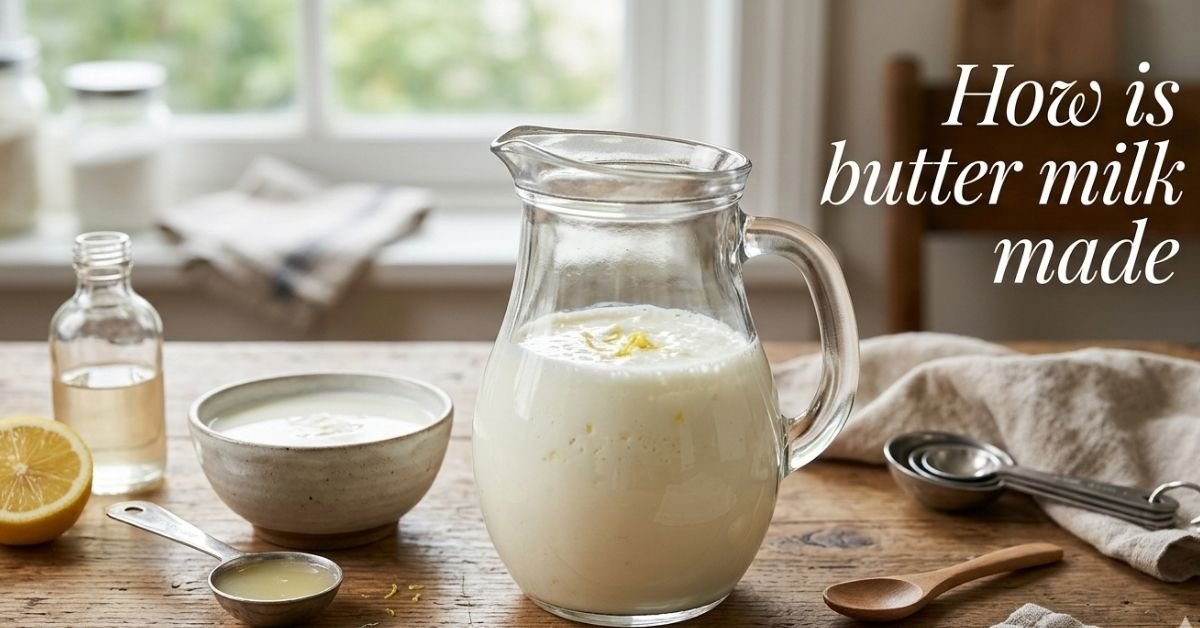
How is butter milk made, Buttermilk is a tangy, slightly thick dairy liquid that has been used in cooking and baking for centuries. Traditionally, it was the leftover liquid after churning butter from cream. This classic version had a natural sour taste due to lactic acid produced by bacteria. Modern buttermilk, on the other hand, is usually cultured, meaning specific bacteria are added to milk to ferment it and give it that familiar tang. It’s a versatile ingredient used in baking to make fluffy cakes, tender biscuits, and marinated dishes.
Traditional Buttermilk Method
Traditional buttermilk comes from the butter-making process. After churning cream, the liquid left behind is naturally low in fat and slightly acidic. This acidity helps in baking as it reacts with baking soda, producing carbon dioxide that makes baked goods light and airy. To make traditional buttermilk at home, you need fresh cream, a churn or whisk, and patience. The taste is richer and more complex than store-bought cultured versions.
Read also: Easy Recipes for Stuffed Chicken Breast
Cultured Buttermilk Explained
Cultured buttermilk is made by adding lactic acid bacteria to low-fat or whole milk. The bacteria ferment the lactose in milk, producing lactic acid. This process thickens the milk and creates the tangy flavor we recognize. It is widely available in stores and is often used for baking and cooking. Cultured buttermilk has a consistent taste and texture, unlike traditional buttermilk, which can vary depending on the cream used.
How is Butter Milk Made at Home (Quick Method)
You can make a quick homemade version using milk and acid. This method is perfect if you don’t have traditional buttermilk on hand. Ingredients:
-
1 cup milk (whole or low-fat)
-
1 tablespoon lemon juice or white vinegar
Steps:
-
Pour milk into a measuring cup.
-
Add the lemon juice or vinegar.
-
Stir and let it sit at room temperature for 5–10 minutes.
-
The milk will curdle slightly and thicken. Stir gently before using.
Using Buttermilk in Baking
Buttermilk is a key ingredient in baking because its acidity reacts with baking soda to create carbon dioxide bubbles. This reaction helps cakes, pancakes, and biscuits rise and become fluffy. When substituting homemade buttermilk for store-bought, the ratio is the same: 1 cup milk + 1 tablespoon acid per cup required in the recipe. Always mix gently and avoid over-stirring to keep baked goods light.
Dairy-Free Buttermilk Options
For those who cannot use dairy, plant-based alternatives work well. Use almond, soy, or oat milk with lemon juice or vinegar to replicate the tangy flavor. The process is the same as the quick method: 1 cup plant milk + 1 tablespoon acid, sit for 5–10 minutes. These alternatives also react with baking soda, so they work perfectly in recipes calling for buttermilk.
Benefits of Buttermilk
-
Aids digestion due to probiotics in cultured versions.
-
Low in fat compared to cream.
-
Helps tenderize meat when used as a marinade.
-
Adds flavor and moisture to baked goods.
-
Can be used in smoothies, dressings, and soups.
Choosing the Right Milk
Whole milk gives a creamier texture, while low-fat milk produces a thinner buttermilk. Avoid ultra-pasteurized milk for homemade buttermilk, as it may not curdle properly. Fresh milk ensures better taste and consistency. For baking, full-fat milk gives richer results, but low-fat milk works fine if you prefer lighter textures.
Why Milk Curdles with Acid
When acid is added to milk, the pH drops, and proteins like casein coagulate. This causes the milk to thicken and form tiny curds, creating that signature tangy flavor. This natural process is safe and forms the basis of both homemade and commercial buttermilk. Understanding this helps avoid over-curdling and ensures smooth results in recipes.
Shelf Life and Storage Tips
Homemade buttermilk should be used within 1–2 days if kept in the refrigerator at 4°C (39°F). Store in a clean, airtight container to prevent contamination. Cultured buttermilk usually lasts longer, around 1–2 weeks, due to the controlled fermentation process. Always smell and taste before use, and discard if it develops an off odor or unusual texture.
Troubleshooting Separation Issues
Separation is normal in homemade buttermilk and occurs when the fat and liquid slightly divide. Simply stir gently before use. If the milk does not curdle, ensure it is fresh and at room temperature, and that the correct amount of acid is added. Over-acidification can make the texture too thick or lumpy, so follow measurements carefully.
Commercial Buttermilk Production
In factories, buttermilk is produced using pasteurized milk and specific bacterial cultures. The milk is heated to kill harmful bacteria, then cooled and inoculated with lactic acid bacteria. Fermentation continues until the desired acidity and thickness are reached. This method produces a consistent product for baking and cooking, with long shelf life and predictable flavor.
Buttermilk in Everyday Cooking
Beyond baking, buttermilk is excellent in:
-
Pancakes and waffles for fluffiness.
-
Fried chicken marinades for tender, juicy meat.
-
Salad dressings and dips for a tangy twist.
-
Smoothies for a creamy texture and slight tartness.
Its versatility makes it a staple in many kitchens, both traditional and modern.
Common Mistakes to Avoid
-
Using ultra-pasteurized milk for homemade buttermilk.
-
Skipping the resting time after adding acid.
-
Over-stirring, which can break down texture.
-
Using expired milk or acids, which affects taste.
-
Ignoring storage guidelines, leading to spoilage.
Key Takeaways for Homemade Buttermilk
Making buttermilk at home is simple and versatile. You can use the traditional method with cream or the quick milk-plus-acid method for convenience. Understanding the science behind curdling and acidity ensures perfect results every time. Whether for baking, cooking, or marinating, homemade buttermilk saves money and adds fresh flavor to your dishes.
Conclusion
Homemade or store-bought, buttermilk is an essential kitchen ingredient that adds tang, tenderness, and moisture to recipes. Learning how is butter milk made gives you the freedom to use it in baking, cooking, and drinks. By following simple steps and understanding its science, anyone can make delicious buttermilk at home that enhances both taste and texture.
FAQs
What is the difference between cultured and traditional buttermilk?
Cultured is made by adding bacteria to milk, while traditional is leftover from churning butter.
Can I use low-fat milk to make buttermilk?
Yes, it works fine but gives a thinner consistency than whole milk.
How long does homemade buttermilk last?
About 1–2 days in the refrigerator.
Why does milk curdle when making buttermilk?
Acid lowers the pH, causing milk proteins to coagulate and thicken.
Can I make buttermilk with plant-based milk?
Yes, almond, soy, or oat milk with acid works well as a dairy-free substitute.
Is buttermilk good for marinating meat?
Yes, its acidity tenderizes meat and adds flavor.
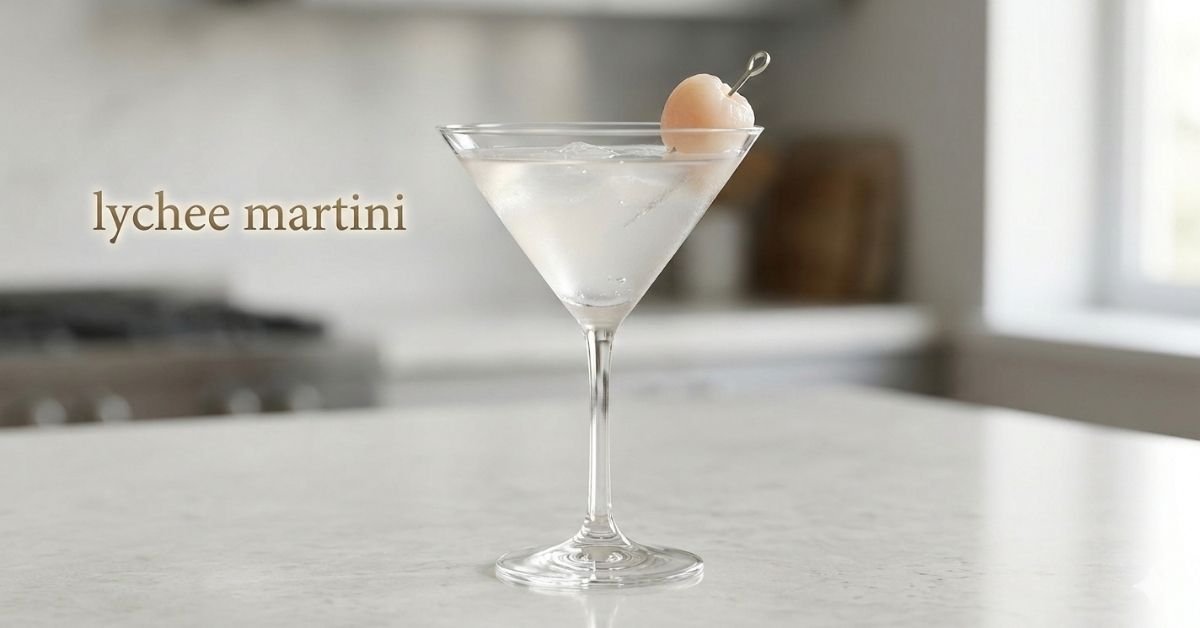
A lychee martini is a sweet and floral cocktail that blends the delicate flavor of lychee fruit with vodka and citrus. It is a modern twist on the classic martini and has become popular in cocktail bars and home kitchens. The drink is smooth, refreshing, and easy to customize according to personal taste.
This cocktail is ideal for summer evenings, dinner parties, and celebrations. Its exotic flavor profile makes it stand out from traditional martinis, which tend to be drier and more spirit-forward. If you enjoy fruity and aromatic drinks, the lychee martini is worth trying.
Making a lychee martini at home is simple and requires only a few ingredients. With the right balance of sweetness and acidity, you can create a professional-quality cocktail in minutes. Whether you prefer the classic recipe or modern variations, this guide will help you master the drink.
What Is a Lychee Martini?
A lychee martini is a fruit-based cocktail that uses vodka as the base spirit and lychee syrup or juice for sweetness. Lime juice is often added to balance the flavor and provide a subtle tang.
Unlike traditional martinis, which focus on dryness and herbal notes, the lychee version is softer and more approachable. It is served in a chilled martini glass and garnished with a lychee fruit or citrus twist for presentation.
The popularity of the lychee martini comes from its unique combination of tropical sweetness and sophistication. Bartenders and home mixologists enjoy experimenting with different ingredients to create personalized variations.
Lychee fruit itself has a delicate flavor that resembles a mix of grape and rose. When used in cocktails, it adds a subtle floral note that pairs well with vodka and citrus. This makes the drink refreshing and balanced.
Read also: Crank Your Lemonade Cred with 5 Easy Lemonade Sweet Tart Infusions
Ingredients for the Perfect Lychee Martini
To make a classic lychee martini, gather the following ingredients:
- 2 oz premium vodka
- 1 oz lychee syrup or lychee juice
- 5 oz fresh lime juice
- 2–3 canned lychee fruits (for garnish)
- Ice cubes
- Chilled martini glass
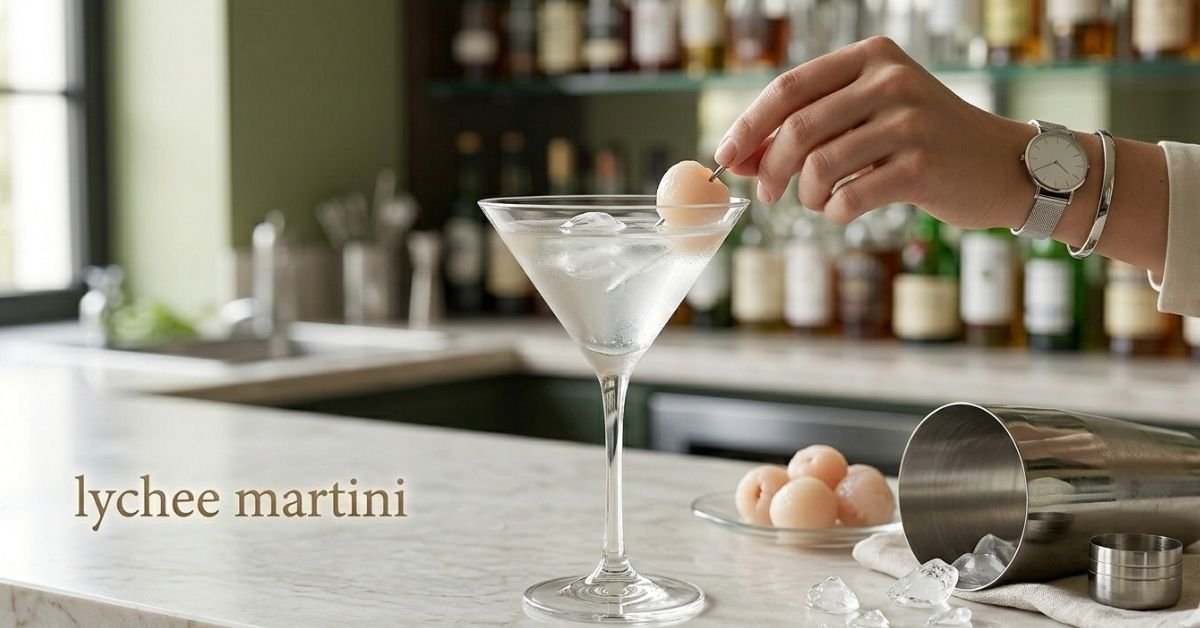
Using premium vodka enhances the overall flavor because it has a cleaner taste. However, you do not need the most expensive brand mid-range options work well.
Canned lychee is convenient and widely available in supermarkets. The syrup from the can can also be used as a natural sweetener. If you prefer a less sweet drink, reduce the syrup and increase the lime juice.
Fresh lime juice is recommended because it provides brightness and balances the sweetness. Bottled lime juice can work in a pinch, but fresh juice delivers better flavor.
Step-by-Step Instructions
Follow these simple steps to make a lychee martini at home:
- Chill your martini glass in the freezer for at least 10 minutes.
- Fill a cocktail shaker with ice cubes.
- Add vodka, lychee syrup, and lime juice to the shaker.
- Shake vigorously for 10–15 seconds.
- Strain the mixture into the chilled martini glass.
- Garnish with a lychee fruit or citrus twist.
- Serve immediately and enjoy.
Shaking the cocktail with ice chills the drink and slightly dilutes it, creating a smoother texture. Straining removes the ice so the martini remains crisp and elegant.
If you do not have a cocktail shaker, a mason jar with a tight lid can work as a substitute. Simply shake the ingredients in the jar and strain into the glass.
Why Lychee Martini Deserves a Place in Modern Mixology
Cocktails evolve with trends and cultural influences. The lychee martini represents the growing appreciation for fruit-forward and globally inspired drinks. Modern mixology embraces diversity in flavors, and lychee is a perfect example of this shift.
Traditional martinis focus on simplicity gin or vodka and vermouth with minimal embellishment. While elegant, they are not always appealing to beginners. The lychee martini offers a softer introduction to martini-style cocktails by incorporating sweetness and fruit.
This does not mean the drink lacks sophistication. On the contrary, its delicate floral notes and balanced profile make it suitable for upscale occasions. Many cocktail bars feature lychee martinis on their menus because customers enjoy the refreshing twist on a classic concept.
Home bartenders appreciate the drink for its versatility. Small changes in ingredients can produce dramatically different results. For example, adding elderflower liqueur enhances the floral character, while using gin instead of vodka introduces herbal complexity.
The rise of global cuisine and fusion flavors has influenced cocktail culture. Ingredients that were once considered niche, such as lychee, are now widely available. This accessibility encourages experimentation and creativity in home kitchens.
If you enjoy trying new flavors, the lychee martini is an excellent choice. It bridges the gap between traditional cocktails and modern innovations. With simple ingredients and straightforward preparation, anyone can master the recipe.
Garnish Ideas for a Professional Touch
Presentation matters in cocktails. A well-garnished drink looks appealing and enhances the overall experience.
- Whole lychee fruit on a cocktail pick
- Citrus twist (lime or lemon)
- Edible flower for decoration
- Sugar rim for added sweetness
A sugar rim complements the drink’s sweetness and creates a polished appearance. To make one, rub a lime wedge around the glass rim and dip it into sugar before pouring the cocktail.
Edible flowers add an elegant touch and pair well with the floral notes of lychee. They are commonly used in high-end cocktail presentations and special occasions.
Variations of the Lychee Martini
One of the best aspects of this cocktail is its adaptability. You can modify ingredients to suit your preferences.
Non-Alcoholic Lychee Mocktail
For a mocktail version, replace vodka with sparkling water or extra lychee juice.
- 2 oz lychee juice
- 1 oz lime juice
- Sparkling water (top up)
- Ice and garnish
This version retains the sweet and floral profile without alcohol, making it suitable for all occasions.
Gin Lychee Martini
If you prefer gin, use it as the base spirit.
- 2 oz gin
- 1 oz lychee syrup
- 5 oz lime juice
Gin adds herbal notes that complement the floral sweetness of lychee. This variation is slightly more complex and aromatic.
Lychee and Elderflower Martini
Elderflower liqueur enhances the floral character of the cocktail.
- 2 oz vodka
- 5 oz elderflower liqueur
- 1 oz lychee syrup
- 5 oz lime juice
This version is elegant and refined, ideal for special occasions.
Pairing Suggestions
The lychee martini pairs well with light and flavorful foods.
- Seafood (shrimp, sushi, scallops)
- Asian appetizers (spring rolls, dumplings)
- Fresh salads
- Cheese platters
The sweetness of the drink complements savory and umami-rich dishes, creating a balanced dining experience.
Tips for the Perfect Lychee Martini
Follow these expert tips for the best results:
- Use chilled ingredients for a refreshing taste
- Shake vigorously to achieve proper dilution
- Garnish with real lychee for authenticity
- Adjust sweetness to your preference
- Serve immediately for optimal flavor
Small adjustments can make a big difference. If the drink is too sweet, add more lime juice. If it is too tart, increase the syrup slightly.
Common Mistakes to Avoid
Even simple cocktails can go wrong. Avoid these pitfalls:
- Using warm ingredients
- Over-shaking (30 seconds is enough)
- Too much syrup
- Skipping the garnish
A well-made lychee martini should taste balanced and look elegant.
Lychee Martini History and Inspiration
The modern lychee martini reflects the influence of global flavors in cocktail culture. As mixologists experiment with ingredients from different regions, drinks become more diverse and creative.
Lychee fruit originates from Asia and has been used in desserts and beverages for centuries. Its introduction into cocktails represents the fusion of traditional ingredients with contemporary mixology.
This evolution keeps cocktail culture exciting and dynamic. New variations emerge as bartenders and home enthusiasts experiment with flavors.
Conclusion
The lychee martini is a refreshing and elegant cocktail that combines floral sweetness with a smooth vodka base. It is easy to make at home and highly customizable. Whether you prefer the classic recipe or modern variations, this drink offers a delightful experience. With simple ingredients and clear steps, anyone can master it. Try experimenting with garnishes and flavor adjustments to create your signature version. A well-made lychee martini is perfect for celebrations, dinners, or relaxing evenings. Enjoy the balance of sweetness and sophistication in every sip.
FAQs
What does a lychee martini taste like?
It tastes sweet, floral, and slightly fruity with a smooth vodka base.
Is a lychee martini strong?
Yes, it contains alcohol, but the sweetness masks the strength.
Can I use fresh lychee?
Yes, fresh lychee works well and enhances authenticity.
How do I reduce sweetness?
Add more lime juice or reduce the syrup.
Is it suitable for beginners?
Absolutely the recipe is simple and forgiving.
Can I make it in batches?
Yes, multiply ingredients and store in a pitcher (serve chilled).


Many people search for a grumpy old man drink but struggle to define what that actually means. The phrase is less about age and more about personality. It usually points to bold, no-nonsense drinks with strong flavors, simple ingredients, and a sense of tradition. The problem is that modern drink menus are often filled with overly sweet, complex, or trendy options that do not match this style.
The solution is understanding the core characteristics behind these drinks and choosing options that reflect simplicity, depth, and character. This guide explains what defines a grumpy old man drink, explores the most popular choices, and shows how to enjoy them properly. Whether you prefer whiskey, gin, or a classic cocktail, this article gives clear and practical direction.
What Defines a Grumpy Old Man Drink?
A grumpy old man drink is not about negativity. It reflects a preference for straightforward, time-tested beverages that do not rely on sweetness or decoration. These drinks are typically spirit-forward; meaning the alcohol itself is the main feature rather than mixers or syrups.
They are often associated with classic bars, quiet evenings, and a focus on taste rather than presentation. The appeal comes from consistency. When someone orders one of these drinks, they expect it to taste the same every time. That reliability is part of its identity.
Another defining trait is minimalism. Most of these drinks contain very few ingredients. The simplicity highlights quality. If the base spirit is good, the drink stands out. If it is not, there is nothing to hide behind. That is why these drinks are often seen as more refined and intentional.
Read also: French Soda: Homemade Recipes & Flavor Guide
The Role of Strong Spirits
Strong spirits are central to this category. Whiskey, bourbon, scotch, and gin dominate the list. These are not diluted drinks. They deliver a full, direct flavor profile that appeals to those who prefer intensity over sweetness.
Whiskey is perhaps the most common choice. It offers depth, warmth, and complexity without needing additional elements. A simple pour over ice or neat is often enough. The same applies to scotch, which can introduce smoky or peaty notes depending on the region.
Gin plays a different role but still fits the theme. Its botanical profile offers sharpness and clarity. When used in simple cocktails, it maintains its character rather than being masked. This aligns with the overall philosophy of keeping things direct and honest.
Classic Whiskey-Based Choices
Whiskey-based drinks are the foundation of this category. They are widely recognized and have remained popular for decades. One of the most iconic options is a whiskey neat. This means no ice, no mixers, and no dilution. It is the purest way to experience the spirit.
Another common choice is whiskey on the rocks. Adding ice slightly softens the intensity while still preserving the core flavor. This is often preferred by those who want a smoother experience without changing the drink too much.
The Old Fashioned is a key example of a structured whiskey drink. It includes whiskey, bitters, sugar, and a citrus peel. Despite having multiple ingredients, it remains simple and balanced. It enhances the whiskey rather than overpowering it.
These drinks are popular because they respect the base spirit. They do not try to transform it into something else. Instead, they highlight what makes it unique.
The Appeal of Bitter Cocktails
Bitter cocktails are another defining element. These drinks are not designed to be easy or sweet. They challenge the palate and reward those who appreciate complexity.
The Negroni is a strong example. It combines gin, vermouth, and a bitter liqueur. The result is bold and layered, with a distinct bitterness that sets it apart from modern sugary cocktails. It is not a beginner drink, but it is highly respected.
Bitterness adds depth. It slows down drinking and encourages attention to flavor. This aligns with the overall attitude behind grumpy old man drinks. They are meant to be enjoyed, not rushed.
Another example is the Americano. It is lighter than a Negroni but still carries that signature bitterness. It shows that even lower-alcohol drinks can fit into this category if they maintain the right balance.
Simplicity over Trendy Mixology
Modern mixology often focuses on creativity, presentation, and unusual ingredients. While this can be interesting, it does not align with the philosophy of a grumpy old man drink. These drinks prioritize function over style.
A simple gin and tonic, when made well, can fit perfectly into this category. It uses only a few ingredients but delivers a clean and refreshing taste. The focus is on balance rather than innovation.
The same applies to a classic martini. It is direct, strong, and precise. There is no need for added flavors or elaborate garnishes. Its simplicity is its strength.
This approach appeals to those who value consistency. They do not want surprises. They want a drink that delivers exactly what they expect every time.
Why These Drinks Remain Popular
Despite changing trends, these drinks continue to hold their place. One reason is reliability. People know what they are getting. There is comfort in that consistency.
Another reason is authenticity. These drinks have history. They are not designed for social media or short-term trends. They have been tested over time and proven to work.
There is also a sense of identity involved. Choosing these drinks can reflect a preference for tradition, simplicity, and substance. It signals a focus on quality rather than appearance.
Finally, they are practical. They are easy to order and easy to make. This makes them accessible in almost any setting, from a high-end bar to a quiet home environment.
How to Choose the Right Drink
Choosing the right drink depends on personal taste, but there are some clear guidelines. If you prefer strong, rich flavors, whiskey-based options are a good starting point. They offer depth and warmth without needing additional ingredients.
If you enjoy sharper, more aromatic profiles, gin-based drinks are worth exploring. They provide clarity and freshness while still maintaining intensity.
For those who appreciate complexity, bitter cocktails like the Negroni can be a good choice. They require a more developed palate but offer a rewarding experience.
The key is to start simple. Try a few classic options and pay attention to what you enjoy. Over time, preferences become clearer, and choosing becomes easier.
Drinking Style and Atmosphere
The way these drinks are consumed is just as important as the drinks themselves. They are not typically associated with loud environments or fast-paced settings. Instead, they fit better in calm, quiet spaces.
This could be a dimly lit bar, a comfortable chair at home, or a relaxed evening with minimal distractions. The goal is to focus on the drink and the experience.
These drinks encourage slower consumption. They are meant to be sipped, not rushed. This allows the flavors to develop and creates a more satisfying experience.
The atmosphere reinforces the overall theme. It is about simplicity, focus, and appreciation rather than excitement or novelty.
Common Mistakes to Avoid
One common mistake is overcomplicating the drink. Adding too many ingredients or trying to modify a classic recipe can take away from its core appeal. Simplicity should always be the priority.
Another mistake is using low-quality spirits. Because these drinks are so simple, the quality of the base ingredient matters more. A poor-quality whiskey will be noticeable immediately.
Serving temperature is also important. Some drinks are best served neat, while others benefit from ice. Understanding this can improve the overall experience.
Finally, avoid rushing. These drinks are designed for slow enjoyment. Drinking too quickly reduces the ability to appreciate their complexity.
Modern Interpretations without Losing Identity
While tradition is important, there is still room for modern interpretation. The key is to maintain the core principles while making small adjustments.
For example, using a different type of bitters in an Old Fashioned can create subtle variation without changing the drink completely. The same applies to experimenting with different types of whiskey.
Modern bars sometimes introduce slight twists on classic cocktails. As long as the drink remains spirit-forward and balanced, it can still fit within the category.
The goal is not to reject innovation entirely but to ensure it does not overshadow the original purpose of the drink.
Conclusion
Grumpy old man drinks represent a clear and consistent approach to drinking. They focus on strong spirits, simple ingredients, and reliable flavor. These drinks avoid unnecessary complexity and instead highlight quality and balance. From whiskey neat to classic cocktails like the Old Fashioned and Negroni, each option reflects a preference for tradition and substance. Choosing the right drink comes down to personal taste, but the guiding principles remain the same. Keep it simple, focus on quality, and take time to enjoy the experience. This approach ensures that these drinks remain relevant and satisfying regardless of changing trends.
FAQs
What is a grumpy old man drink?
It refers to strong, simple, classic drinks that focus on flavor rather than sweetness or presentation.
Is whiskey the only option?
No, but it is the most common. Gin and bitter cocktails also fit this category.
Are these drinks always strong?
Yes, they are typically spirit-forward with minimal dilution or mixers.
Can beginners enjoy these drinks?
Yes, but it may take time to adjust to the bold flavors.
What is the easiest one to start with?
A whiskey on the rocks or a simple gin and tonic is a good starting point.
Why these drinks are considered classic?
They have been popular for decades and rely on simple, proven recipes.
-

 Food3 weeks ago
Cuts of Steak: Complete Guide to Beef Cuts
-

 Food3 weeks ago
What Is Andouille Sausage? Complete Guide
-

 Food4 weeks ago
Shirleys Coffee Shop Guam Locations Menu and Guide
-

 Food4 days ago
Black Pudding Guide: History, Recipe & Nutrition
-

 Drinks4 days ago
Easy Lychee Martini Recipe Sweet & Floral Cocktail
-

 Food3 weeks ago
Ultimate Tripas Recipe and Cooking Guide
-

 Food2 days ago
Italian Ice Flavoring Guide: Flavors, Bases, and Recipes
-

 Blog3 weeks ago
Saltwater Kitchen & Sushi: Menu, Reviews, and Visitor Guide