
Food
Italy Traditional Breakfast: What Locals Actually Eat

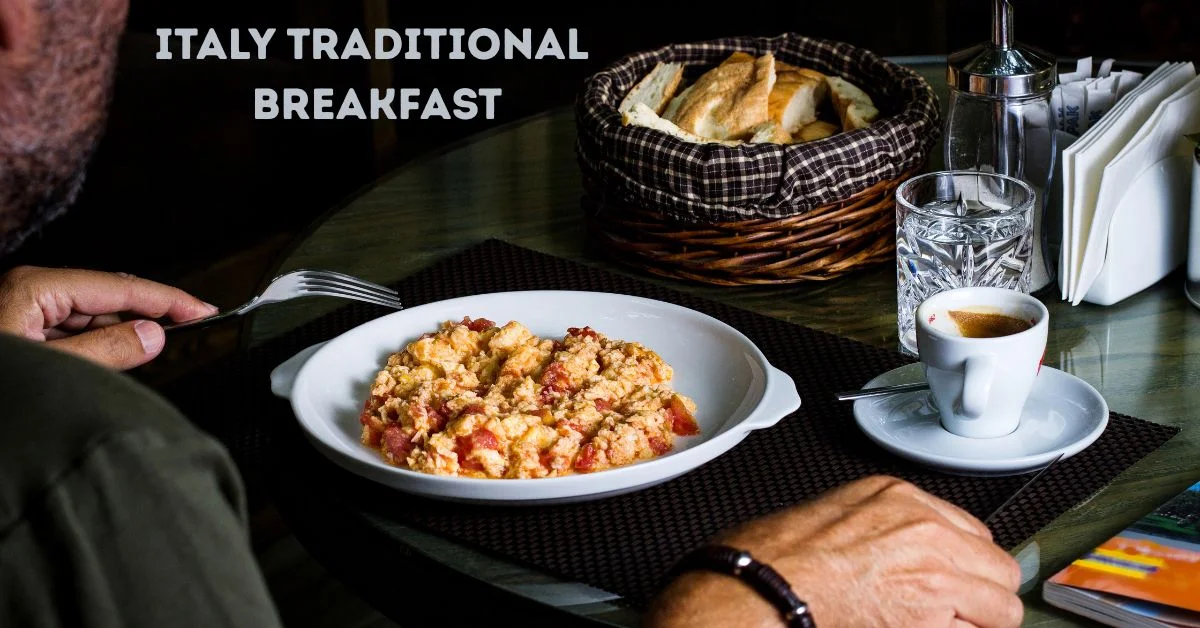
Most people arrive in Italy traditional breakfastat expecting a table full of eggs, meats, and bread. Then they walk into a café; see Italians standing at the counter with a tiny coffee and a pastry, done in five minutes, and wonder if they missed something. You didn’t that really is breakfast in Italy.
Italy Traditional Breakfast feels almost impossibly simple compared to what most of the world eats in the morning. But once you understand the logic behind it the timing, the culture, the coffee rules, and the regional habits it starts to make perfect sense. This guide covers everything: what Italians eat, how they order it, what it costs, how it varies by region, and how you can recreate the whole experience at home.
What Is a Italy Traditional Breakfast?
A Italy Traditional Breakfast is a light, sweet, and quick morning meal. It typically includes a coffee-based drink usually an espresso or cappuccino paired with a pastry such as a cornetto. It is eaten standing at a café bar and takes under ten minutes. It is not a sit-down meal.
Light, Sweet, and Over Quickly
The Italian morning meal, called colazione, is built around two things: a coffee and something sweet. That’s it. There’s no plate of eggs, no stack of pancakes, no long table spread. A cornetto the Italian version of a croissant, but softer and slightly sweet plus a cappuccino is the classic combination you’ll see repeated across the country every single morning.
Italy Traditional Breakfast are not big breakfast people in the way that Americans or the British are. The meal is a functional starts something to wake up the body and hold you until a proper lunch. It’s light by design, not by accident.
Read also: Truffle Sauce Guide: Easy Recipe and Uses
Why Italians Keep Breakfast Small
Italy traditional breakfastat food culture centers heavily on lunch and dinner. Those are the meals with multiple courses, shared plates, and long conversations. Breakfast is simply not given that same importance. Historically, Italians have also worked physical jobs where stopping for a full morning meal wasn’t practical, and the habit has stayed even as lifestyles changed.
There’s also a nutritional logic to it. A light breakfast followed by a proper midday meal keeps energy levels steadier than a heavy morning start at least for people accustomed to it.
Real-life example: Marco, a teacher in Bologna, described his daily routine: “I wake up, make a moka coffee at home, and eat two biscuits maybe spread with jam and leave. If I have time, I stop at my bar on the way to school for a cappuccino. That’s breakfast. Done in fifteen minutes total.”
What Italians Actually Eat and Drink for Breakfast
Coffee Is Non-Negotiable
Coffee is the backbone of every Italy Traditional Breakfast. At home, most Italians use a moka pots a stovetop brewer that produces a strong, concentrated coffee similar to espresso. At a bar, options include espresso (short, intense, drunk fast), cappuccino (espresso with steamed and foamed milk), caffè latte (mostly milk, less foam), or macchiato (espresso with a small dash of milk).
One rule that confuses tourists: cappuccino is a Italy traditional breakfastat drink only. Italians almost never order it after 11 AM. It’s considered too heavy, too milky for later in the day. If you order a cappuccino after lunch, no one will refuse you but the locals will quietly notice.
Pastries: The Cornetto and Beyond
The cornetto is Italy’s pastry icon. It looks like a croissant but tastes different softer, less flaky, slightly sweet, often filled with jam, Nutella, or custard cream (crema pasticcera). An unfilled cornetto is called vuoto (empty), and many Italians prefer it plain, dunked into their cappuccino.
Regional pastries extend well beyond the cornetto. Sicily has brioche con granita a sweet, airy bread roll eaten with a semi-frozen fruit ice. Naples has sfogliatella, a shell-shaped pastry with a sweet ricotta filling. Venice offers fritole, fried dough balls sometimes filled with raisins or cream. Every region has its own version of morning sweetness.
Bread, Biscuits, and Jam
At home, many Italians skip the pastry entirely and go with sliced bread or fette biscottate thin, twice-baked crispy toasts sold in every Italian supermarket. These are spread lightly with butter, jam, honey, or Nutella. Dry biscuits (biscotti) dunked into a milky coffee are also very common, especially for older generations.
The brand Mulino Bianco dominates Italian breakfast shelves. Their biscuits, crackers, and packaged cakes are household staples. If you want to recreate an authentic Italian home breakfast abroad, finding Mulino Bianco products is a solid starting point.
Yogurt, Fruit, and Cereals
Younger Italy traditional breakfastat and those in urban centers have shifted somewhat toward yogurt with fruit or granola, especially on weekdays. Plain or fruit yogurt, a banana, and a coffee is becoming a common alternative particularly among people who are more health-conscious. Cereals exist but are far less common than in North America or the UK.
Do Italians Eat Savory Breakfast?
Rarely. A savory Italian breakfast is the exception, not the rule. You won’t find eggs, bacon, cheese, or cold cuts on the morning menu at a typical bar. If anything savory appears, it’s usually a small piece of plain bread, and even that’s uncommon. The sweet morning tradition is deeply cultural it hasn’t changed much based on tourist expectations.
The Italian Bar: How Locals Really Eat Breakfast
What a Typical Bar Looks Like
In Italy, “bar” doesn’t mean a place serving alcohol at night it’s the neighborhood café where people go at all hours for coffee, snacks, and quick bites. In the morning, it’s the center of social life. By 7:30 AM, the counter is packed. People are standing, holding their cups, talking to the barista, and eating their cornetto in two or three bites.
The atmosphere is fast and friendly. Nobody lingers over breakfast the way you might in a French café. The whole ritual takes five to ten minutes. Then people leave for work. It’s efficient, but it doesn’t feel rushed it’s just the Italian rhythm.
How to Order Like a Local
Walk in, approach the counter not a table and say what you want directly to the barista. “Un cappuccino e un cornetto, per favore” covers ninety percent of Italian breakfast orders. Pay before or after depending on the bar. Some have a cashier (cassa) where you pay first and get a receipt to hand to the barista. If you’re unsure, watch what others do.
Don’t sit down unless you’re comfortable paying the sitting surcharge. At the counter, everything is cheaper and faster.
Standing vs Sitting A Real Price Difference
In Italy, sitting at a table in a bar costs more than standing at the counter sometimes significantly more. A cappuccino and cornetto standing might cost €1.50–€2.50 in most cities. The same order at a table can jump to €5–€8 or more, especially in tourist areas like Venice or Rome’s historic center. Locals almost always stand. It’s practical, social, and cheaper.
Real-life example: At Bar San Calisto in Rome’s Trastevere neighborhood a favorite with locals an espresso costs around €1 at the counter. At a tourist bar steps from the Pantheon, the same coffee sitting down costs €5. Same city, very different experience.
What a Real Italian Breakfast Costs
Typical Order and Price Breakdown
In most Italian cities and towns, a classic breakfast at the counter looks like this:
| Item | Description | Typical Price (Counter) | Typical Price (Table) |
| Espresso | Short, strong coffee | €1.00 – €1.20 | €2.50 – €3.00 |
| Cappuccino | Espresso + steamed milk | €1.20 – €1.50 | €3.50 – €5.00 |
| Caffè Latte | More milk, less foam | €1.50 – €2.00 | €4.00 – €5.50 |
| Cornetto (plain) | Soft, slightly sweet pastry | €0.90 – €1.20 | €2.50 – €3.50 |
| Cornetto (filled) | Jam, Nutella, custard | €1.10 – €1.50 | €3.00 – €4.00 |
| Fette biscottate / Biscuits | Toasted bread with jam/honey | €0.50 – €1.00 | €1.50 – €2.50 |
| Specialty regional pastry | Sfogliatella, brioche con granita, fritole | €1.50 – €2.50 | €4.00 – €6.00 |
In southern Italy and smaller towns, you can still find Italy traditional breakfastat for under €2. In Milan or northern cities, expect to pay slightly more. In tourist-heavy spots, prices can triple especially if you sit down.
Weekday vs Weekend Habits
Monday through Friday, Italians are quick. Coffee at home or a fast stop at the neighborhood bar. On weekends, especially Sunday, the pace shifts. Families might sit together for a longer colazione at home, and the cornetto might be replaced with something more special a slice of homemade cake, ciambella (a simple ring-shaped sweet), or a bigger pastry from the local bakery.
Sunday is also the day you’re more likely to see Italians actually sitting at the bar, lingering a bit longer before the day starts.
Regional Differences You Should Know
Northern Italy
In cities like Milan, Turin, and Venice, the Italy traditional breakfastat culture is sharp and efficient. The bar stop is brief, the coffee is strong, and the pastry selection is often more varied. You’ll find local specialties like michetta (a crispy roll sometimes eaten with butter) or filled doughnuts alongside the standard cornetto. Milan in particular has embraced some international breakfast trends, with a growing number of spots serving avocado toast or smoothie bowls alongside the traditional spread.
Southern Italy
In Naples, Palermo, and across the south, breakfast tends to be slightly more indulgent. Naples is famous for its sfogliatella and babà (rum-soaked sponge cake). The coffee culture is also arguably more intense Neapolitan espresso has a different roast profile, stronger and slightly bitterer, and the locals are fiercely proud of it.
In Palermo, the iconic Italy traditional breakfastat is brioche con granita a semi-frozen flavored ice (almond, lemon, coffee, pistachio) served inside a sweet bun. It sounds unusual for breakfast, but once you’ve tried it on a hot Sicilian morning, it makes complete sense.
Islands and Unique Traditions
Sardinia has its own pastry traditions seadas (cheese-filled pastry with honey) are more of a dessert but appear in some breakfast contexts. In general, island traditions tend to be more localized and seasonal, with strong emphasis on local ingredients and sweets made in-house at family-run bars.
Italian Breakfast vs Other Countries
| Country | Typical Breakfast | Time Taken | Style / Taste |
| Italy | Espresso or cappuccino + cornetto/biscuits | 5–10 minutes | Light, sweet, social |
| USA | Eggs, bacon, toast, juice, large coffee | 15–30 minutes | Heavy, savory, filling |
| UK | Full English — eggs, bacon, sausage, beans, toast | 20–40 minutes | Very heavy, savory |
| France | Croissant, baguette with butter and jam, café au lait | 10–20 minutes | Light to medium, sweet |
| Germany | Bread, cold cuts, cheese, coffee | 15–25 minutes | Savory, substantial |
The Italy traditional breakfastat approach is the lightest of the major European styles. It works culturally because lunch is the main meal so you’re not running on breakfast fuel all day. Americans and Brits, who often have a lighter or skipped lunch, need that heavier morning start more.
Italy traditional breakfastat is lighter than most Western countries because Italian food culture places the main nutritional focus on lunch. A small, sweet breakfast keeps you comfortable until a proper midday meal. This is a deeply rooted cultural habit, not a dietary trend, and it has stayed consistent across generations.
How to Make an Italian Breakfast at Home
What You Need
You don’t need much. The ingredients list is short and accessible almost anywhere in the world:
A moka pot (or strong espresso machine) Good Italian ground coffee Lavazza, Illy, or Kimbo are widely available internationally Whole milk for cappuccino use a small handheld milk frother Fette biscottate or dry biscuits Mulino Bianco if you can find them, plain digestive biscuits as a substitute Good jam, Nutella, or honey Optional: a store-bought soft croissant as a cornetto substitute
The Step-by-Step Routine
- Step 1: Fill the moka pot and brew your coffee. While it brews, warm your milk and froth it using a handheld frother about 60–80ml of whole milk per cup.
- Step 2: Pour the coffee first, add the frothy milk on top, and don’t stir. That’s a basic cappuccino.
- Step 3: Spread your fette biscottate with jam or Nutella. Dunk them into the cappuccino if you like Italians do this without shame.
- Step 4: Eat standing at your kitchen counter at least once, just to feel it properly.
Best Substitutions Outside Italy
If you can’t find Italy traditional breakfastat biscuits, French butter biscuits or plain digestives work well. For cornetto, a soft bakery croissant is the closest substitute avoids very flaky, buttery ones if possible, as they have a different texture. Instant coffee doesn’t cut it here. The coffee matters more than anything else. A moka pot costs under $30 and is worth it for the authentic taste.
Common Mistakes to Avoid
Ordering Mistakes Tourists Make
Sitting at a table without checking the price difference first. Ordering cappuccino after 11 AM and being surprised by the reaction. Asking for “a latte” in Italian, latte means plain milk. You’ll receive a glass of warm milk and nothing else. What you want is a caffè latte. Expecting a savory breakfast and being disappointed when it doesn’t exist. Ordering to-go Italians don’t typically take their coffee in paper cups. It’s meant to be drunk there.
Cultural Etiquette Tips
Don’t linger too long at the counter during the morning rush other people are waiting. Drink your coffee, eat your pastry, and step aside. It’s not rude; it’s the rhythm of the place. If you want to sit and take your time, go ahead just know you’ll pay more and you’ll be the only one doing it.
Misunderstanding Coffee Rules
The cappuccino-after-11 rule is the most famous, but there are others. Don’t add sugar to a macchiato and complain its bitter Italians often drink espresso and macchiato without sugar and find it perfectly balanced. Don’t ask for oat milk unless you’re in a specialty café in major city smaller bars won’t have it. And never, ever rush a barista making your coffee they take it seriously.
Modern Trends and Healthier Options
Changing Habits Among Younger Italians
In larger cities especially Milan, Rome, and Bologna there’s a visible shift among people under 35. Avocado toast, overnight oats, smoothie bowls, and protein-focused breakfasts are showing up in specialty cafés catering to health-conscious urban professionals. This is still a niche it hasn’t touched most of Italy but it’s growing steadily.
International breakfast culture, amplified by social media, has introduced Italians to brunch more meaningfully over the last decade. Weekend brunch spots are now common in most cities, offering eggs, pancakes, and mimosas. These are clearly seen as a trend rather than a cultural tradition.
Health-Conscious Alternatives Within the Tradition
Even within the classic Italian framework, some people are making lighter choices. Whole grain fette biscottate, plain yogurt with fresh fruit, unsweetened biscuits, and oat milk cappuccinos are common variations for those watching their diet. These fit naturally within the Italian breakfast structure they simply swap out some of the sweeter elements without changing the overall approach.
Final Tips for Experiencing Italian Breakfast Like a Local
Quick Checklist
Go to a neighborhood bar, not a tourist café near major landmarks. Stand at the counter it’s cheaper and more authentic. Order a cappuccino and a cornetto as your starting point. Go between 7 AM and 9:30 AM for peak local atmosphere. If unsure about payment, watch the person ahead of you. Try the local specialty pastry if you see something unfamiliar. Don’t order decaf in the morning unless you genuinely need it.
Budget-Saving Tips
Always stand at the counter to pay the counter price. Avoid bars with glossy English menus right next to major tourist sites prices are often triple what locals pay. Look for places where Italian workers stop on their way to work. Those are the real neighborhood bars with fair prices and fresh pastries. In smaller towns outside the main cities, you’ll find the cheapest and often the best breakfast in all of Italy.
Best Time and Places to Go
7:30 to 9:00 AM is the golden window. That’s when the bar is at its most alive, the pastries are freshest, and you’ll share the counter with actual locals. In Rome, neighborhoods like Pigneto, Prati, and Testaccio have excellent local bars. In Florence, cross the Arno to the Oltrarno side. In Milan, any bar in the Navigli or Isola area will give you a genuine experience without the tourist markup.
Conclusion
Italy Traditional Breakfast is not complicated it’s just different from what most people expect. A good coffee, something sweet, a counter to lean against, and five to ten minutes of your morning. That’s the whole thing. If you’re traveling to Italy, lean into the tradition rather than looking for something more familiar. Find a local bar, stand at the counter, order a cappuccino and a cornetto, and let the morning work the way Italians have always let it work. You’ll probably wonder why you ever needed anything more.
FAQs
Is Italy Traditional Breakfast always sweet?
Almost always, yes. Italy traditional breakfastat colazione is built around sweet pastries, biscuits, and jam. Savory breakfasts exist but are rare and not part of everyday tradition. Eggs, meats, or cheese at breakfast are not standard anywhere in Italy outside of hotels catering to foreign guests.
What coffee should I order for breakfast in Italy?
Cappuccino is the classic breakfast coffee espresso with steamed and foamed whole milk. Caffè latte is another option if you want more milk. A plain espresso is common too, especially for those who prefer something short and strong. Avoid ordering cappuccino after 11 AM.
How much does a typical Italy traditional breakfastat cost at a bar?
Standing at the counter, a cappuccino and cornetto together typically costs between €2 and €3 in most Italian towns and cities. Sitting at a table can cost €5–€8 or more, especially in tourist areas. Prices are lowest in the south and in smaller towns.
Do Italians eat Italy traditional breakfastat home or at a bar?
Both. Many Italians make coffee at home with a moka pot and eat biscuits or toast before leaving. Others stop at their regular neighborhood bar on the way to work. Some do both a quick coffee at home, then a cornetto at the bar. It depends on habit and schedule.
What is a cornetto and how is it different from a croissant?
A cornetto is the Italian version of a croissant, but it’s softer, less flaky, and slightly sweeter. It’s often made with egg dough rather than pure butter pastry. It comes plain (vuoto), filled with jam, Nutella, or custard cream, and is typically eaten dunked into a cappuccino.
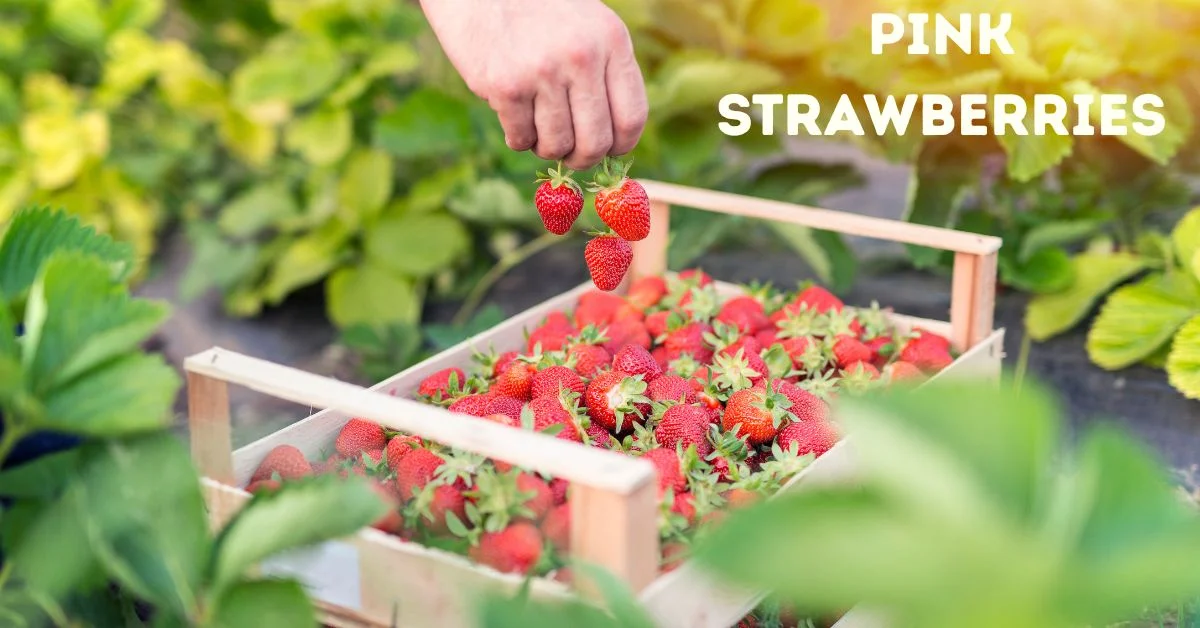
If you have seen strawberries with a soft pink color and wondered whether they are just unripe or something completely different, you are not alone. Many people confuse pink strawberries with unripe red ones, or mix them up with white strawberries or pineberries. They are actually a unique group of strawberry varieties with their own taste, look, and growing needs.
In this guide, you will learn exactly what pink strawberries are, which varieties are worth growing, how they taste, and how to grow them at home even if you are a complete beginner. You will also find out where to buy plants, what mistakes to avoid, and how to use them once you harvest them.
What Are Pink Strawberries?
Pink strawberries are real, naturally occurring strawberry varieties that stay pink even when fully ripe. They are not unripe red strawberries. Their color comes from reduced levels of a pigment called anthocyanin, which is responsible for the deep red color in regular strawberries. When this pigment is naturally lower, the fruit stays pink or light red at full ripeness.
Featured Snippet Answer:
Pink strawberries are fully ripe strawberries that naturally stay pink in color due to lower anthocyanin levels. They are not unripe or hybrid fruits. These varieties have their own distinct flavor, often sweeter and less tart than red strawberries, and are grown mainly as ornamental or specialty garden plants.
Why Some Strawberries Stay Pink
The pink color is a genetic trait. Some strawberry varieties simply do not produce as much red pigment as standard ones. This is not a defect. It is just how these plants are built. The fruit ripens fully and is perfectly edible, often with a surprisingly sweet flavor.
A gardener in the UK who switched to growing Tristan strawberries noted that neighbors kept asking if the fruits were ripe because they expected red. After tasting them, most changed their minds quickly.
Read also: Italy Traditional Breakfast: What Locals Actually Eat
Key Visual Features
Pink strawberries are usually slightly smaller than typical red strawberries. Their skin is a soft blush to medium pink. Many varieties also produce pink or rose-colored flowers, which makes them attractive as ornamental plants. The flesh inside is often pale pink or cream-colored, lighter than red varieties.
Popular Pink Strawberry Varieties
Not all pink strawberries are the same. There are several named varieties, each with slightly different traits.
Berried Treasure Pink
This is one of the most popular varieties for home growers. It was bred specifically as an ornamental strawberry that also produces edible fruit. The plant grows in a compact mound, making it perfect for containers and hanging baskets. The berries are small but sweet, and the flowers are a pretty rose-pink color. It is widely available online and in garden centers.
Tristan Strawberry
Tristan is a everbearing variety, meaning it produces fruit across a long season rather than just in one flush. The berries are firm and have a rich, sweet strawberry flavor. The plant also produces attractive pink flowers that look great in borders and patio pots. Many growers choose Tristan for both its fruit and its visual appeal.
Toscana Strawberry
Toscana is a day-neutral variety bred in Europe that has become popular worldwide. It produces medium-sized pink berries with an intense, sweet flavor. Many growers describe the taste as more aromatic than standard red strawberries. Toscana also has a long fruiting season and performs well in containers, which makes it a top choice for balcony and patio gardeners.
Other Pink-Flowering Types
Some strawberry plants are classified as pink mainly because of their flower color rather than their fruit. Varieties like Pink Panda are grown primarily as ground cover with edible but smaller fruit. It is worth knowing this difference before buying so you get what you actually want.
What Do Pink Strawberries Taste Like?
This is the question most people ask before committing to growing them.
Flavor Profile Compared to Red Strawberries
Pink strawberries are generally sweeter and less tart than standard red varieties. Red strawberries have a sharp, tangy note that balances their sweetness. Pink varieties tend to taste milder and more purely sweet. Some people describe the flavor as almost candy-like, especially in varieties like Toscana.
Sweetness and Texture
The texture of pink strawberries is similar to red ones but can feel slightly softer. They are juicy but not overly watery. Because they tend to have higher sugar content relative to acidity, they taste very pleasant fresh off the plant. They are not as firm as commercially grown red strawberries, so they are best eaten soon after picking.
Pink vs Red vs White Strawberries: Key Differences
Many buyers confuse pink strawberries with white strawberries or pineberries. Here is a clear comparison.
Featured Snippet Answer:
Pink strawberries stay pink when ripe and taste sweet with low tartness. Red strawberries are the most common type with a classic sweet-tart flavor. White strawberries, like pineberries, are almost fully white with red seeds and have a pineapple-like taste. Each is a distinct variety, not a different ripeness stage.
| Feature | Pink Strawberries | Red Strawberries | White Strawberries |
| Color when ripe | Pink to blush | Deep red | Cream to white |
| Flavor | Sweet, mild | Sweet and tart | Fruity, pineapple notes |
| Size | Small to medium | Medium to large | Small to medium |
| Availability | Specialty/rare | Widely available | Rare |
| Best use | Fresh, ornamental | Fresh, cooking | Fresh only |
Which Type Should You Grow?
If you want the best yields and easiest care, red strawberries win. If you want something beautiful, sweet, and a little different for your garden or patio, pink strawberries are excellent choices. White strawberries like pineberries are the rarest and most difficult to find.
How to Grow Pink Strawberries at Home
Good news for beginners: most pink strawberry varieties are not significantly harder to grow than regular red ones.
Best Climate and Conditions
Pink strawberries grow well in USDA hardiness zones 4 to 9. They prefer a temperate climate with warm summers and cool winters. Most varieties are tolerant of light frost once established. In very hot climates, they benefit from afternoon shade to protect the flowers and fruit.
Soil and Sunlight Requirements
These plants need at least six hours of direct sunlight per day. Full sun gives you the best fruit production. The soil should be well-draining, slightly acidic with a pH between 5.5 and 6.5, and rich in organic matter. Adding compost before planting helps a lot. Avoid heavy clay soils as they hold too much moisture and can cause root rot.
Growing in Pots vs Garden Beds
Pink strawberry varieties like Berried Treasure and Toscana are especially well suited to containers. A pot that is at least 30 cm wide and has drainage holes works well for two to three plants. Container growing lets you control soil quality easily and move plants if needed. In garden beds, space plants 30 to 40 cm apart to allow good airflow.
A home gardener in a small London flat grew three Toscana plants in a window box and harvested enough berries for regular snacking throughout the summer. Containers really do work.
Step-by-Step Planting Guide
- Choose a container or garden spot with good sunlight.
- Fill with a mix of quality potting soil and compost.
- Plant the strawberry so the crown (where the leaves meet the roots) sits at soil level, not buried.
- Water well after planting.
- Mulch around the base to keep moisture in and weeds out.
- Wait for flowers and then fruit. Most plants fruit within 60 to 90 days of planting.
Care and Maintenance
Watering and Fertilizing
Water consistently but do not let roots sit in soggy soil. About 2.5 cm of water per week is a good target. During fruiting, water needs increase slightly. Feed plants with a balanced fertilizer every two weeks during the growing season. Once flowers appear, switch to a fertilizer lower in nitrogen to encourage fruit rather than leaves.
Pollination Tips
Most pink strawberry varieties are self-fertile, meaning one plant can produce fruit on its own. However, having more than one plant nearby increases yields. In a garden setting, bees and other insects handle pollination naturally. For indoor or balcony plants, gently brush the center of each flower with a soft paintbrush or cotton swab to transfer pollen manually. This small step makes a noticeable difference in how much fruit you get.
Pest and Disease Control
Common pests include slugs, aphids, and spider mites. Check plants regularly and remove pests by hand or with a diluted neem oil spray. Grey mold (botrytis) is the most common disease, especially in wet weather. Good airflow between plants and avoiding wetting the leaves when watering helps prevent it.
Common Growing Mistakes to Avoid
Overwatering
This is the number one mistake beginners make. Overwatered strawberries develop yellow leaves, root rot, and poor fruit set. Always check soil moisture before watering. The top couple of centimeters of soil should feel dry before you water again.
Planting in Shade
Strawberries need sun. A plant placed in full shade will produce lush green leaves and very little fruit. If your chosen spot gets less than five hours of sunlight, consider a different location or grow under a grow light indoors.
Neglecting Pollination
Many first-time growers are confused when their plant flowers but produces no fruit. The most likely cause is pollination failure. For outdoor plants, attract pollinators by planting nearby flowers like lavender or marigolds. For indoor plants, manual pollination is essential.
When and How to Harvest Pink Strawberries
Signs of Ripeness
The tricky part with pink strawberries is knowing when they are ready because you cannot rely on the fruit turning red. Signs of ripeness include a consistent all-over pink color with no white or green patches, a slightly soft feel when gently pressed, and a sweet strawberry scent. The berries will also detach easily from the plant when they are ready.
Harvesting Tips
Pick berries in the morning when they are cool and firm. Use scissors or pinch the stem just above the fruit rather than pulling. Handle them gently as they bruise easily. Eat or refrigerate within two days for the best flavor and texture.
Where to Buy Pink Strawberry Plants
Online Stores vs Local Nurseries
Online retailers like Amazon, Etsy, and specialist plant nurseries carry varieties like Toscana, Tristan, and Berried Treasure. Online is often the better route because local garden centers may not stock these specialty varieties. When ordering online, check seller reviews and confirm the plants will be shipped at the right time for your climate.
Price and Availability
Pink strawberry plants typically cost between 5 and 15 dollars per plant depending on the variety and seller. They are more expensive than standard red strawberry plants but not wildly so. Seeds are sometimes available and are cheaper, but growing from plugs or runners is faster and more reliable. Availability peaks in spring, so order early in the season.
How to Use Pink Strawberries
Fresh Eating
The simplest way to enjoy pink strawberries is fresh, straight from the plant. Their sweetness makes them excellent on their own, with yogurt, or sliced over cereal or oatmeal.
Desserts and Decoration
Pink strawberries look stunning on cakes, tarts, and dessert platters because of their unusual color. Bakers use them as garnish on cream cakes and cheesecakes where the soft blush color stands out beautifully. They also work well in fruit salads where their color adds visual interest.
Garden Aesthetic Uses
Because many pink strawberry varieties also have pink flowers, they are often used as ornamental edible plants in borders, window boxes, and hanging baskets. They offer a combination of beauty and practicality that few other plants match.
Conclusion
Pink strawberries are a real and rewarding option for home gardeners who want something a little different. They are not difficult to grow, they look beautiful in pots and borders, and the fruit is genuinely delicious. Whether you choose Toscana for its intense flavor, Tristan for its long season, or Berried Treasure for its compact size, you are getting a plant that earns its place in any garden. Start with a couple of plants in a sunny spot or a container, follow the basic care steps, and you will have fresh pink strawberries to enjoy within a season.
FAQs
Are pink strawberries natural or man-made?
Pink strawberries are natural. They exist because some strawberry plants naturally produce less red pigment than others. Breeders have selected and cultivated these plants over time, but they are not genetically modified or artificial in any way.
Are pink strawberries the same as pineberries?
No. Pineberries are white strawberries with red seeds and a fruity, pineapple-like flavor. Pink strawberries are fully pink and taste like a sweeter version of a regular strawberry. They are different varieties with different flavors.
Can complete beginners grow pink strawberries?
Yes. Most pink strawberry varieties are beginner-friendly, especially when grown in containers. The key requirements are good sunlight, well-draining soil, and consistent watering. Varieties like Berried Treasure are specifically bred for easy home growing.
Do pink strawberries produce as many berries as red ones?
Generally, red strawberry varieties bred for commercial production will out-yield pink ones. However, everbearing types like Tristan and day-neutral types like Toscana produce a steady supply throughout the growing season, which many home growers prefer over one large harvest.
How long does it take for pink strawberry plants to fruit?
Most plants will begin producing fruit within 60 to 90 days of planting if conditions are good. Young plants in their first year sometimes produce fewer berries as they establish roots. Second-year plants typically fruit more heavily.


Many home cooks struggle to recreate restaurant-quality flavor without complex techniques or rare ingredients. Dishes often taste flat, even when the recipe seems correct. This is especially true when trying to achieve rich, earthy depth in simple meals. Truffle sauce solves this problem by delivering a concentrated, savory flavor that instantly enhances everyday dishes.
Whether used in pasta, meats, or vegetables, truffle sauce adds a refined touch without requiring advanced skills. With the right ingredients and approach, it can be made at home or selected carefully from store options. This guide explains what truffle sauce is, how to use it properly, and how to make it taste balanced rather than overpowering. You will learn practical ways to integrate it into real meals while maintaining control over flavor, texture, and cost.
What Is Truffle Sauce and Why It Matters
Truffle sauce is a condiment made from truffles, mushrooms, oil, and seasonings. It captures the distinct aroma of truffles, which are prized fungi known for their deep, earthy flavor. Unlike whole truffles, which are expensive and perishable, truffle sauce offers a more accessible way to enjoy that signature taste.
Most commercial versions blend mushrooms with truffle flavoring, sometimes using truffle oil or small pieces of real truffle. This combination creates a balanced product that is easier to store and use regularly. The result is a sauce that can be spooned directly onto dishes without preparation.
The reason it matters is simple. Truffle sauce can transform basic meals into something more refined. Plain pasta, a grilled chicken breast, or even scrambled eggs can gain complexity with a small amount. This makes it valuable for both everyday cooking and special occasions.
Read also: Plancha Cooking Made Easy: Complete Beginner Guide
Understanding the Flavor Profile of Truffle Sauce
The flavor of truffle sauce is often described as earthy, umami-rich, and slightly garlicky. It has a deep aroma that stands out immediately, which is why it should be used carefully. A small amount is usually enough to influence an entire dish.
Different types of truffles produce slightly different flavors. Black truffles tend to be more robust and subtle, while white truffles are sharper and more aromatic. Most sauces on the market use black truffles because they are easier to work with and more stable in processed form.
The mushroom base in the sauce plays an important role. It softens the intensity of the truffle while adding body and texture. This balance ensures that the sauce enhances food rather than overwhelming it, which is a common mistake when using strong ingredients.
Types of Truffle Sauce Available
There are several types of truffle sauce, and understanding the differences helps you choose the right one. Some sauces are creamy, while others are oil-based or paste-like. Each works best in different dishes.
Cream-based truffle sauces are often used in pasta and risotto. They provide a smooth texture and blend easily with other ingredients. These sauces are ideal for creating rich, comforting meals.
Oil-based or paste-style sauces are more concentrated. They are better suited for finishing dishes, such as spreading on bread or adding to cooked meats. These versions offer more control because you can adjust the amount precisely.
Quality varies widely between brands. Some rely heavily on artificial flavoring, while others include real truffle pieces. Reading ingredient labels helps you identify products that deliver a more authentic taste.
How to Make Truffle Sauce at Home
Making truffle sauce at home gives you full control over ingredients and flavor. It also allows you to adjust intensity based on your preference. The process is straightforward and does not require professional skills.
Start with a base of finely chopped mushrooms, such as cremini or button mushrooms. Cook them slowly in butter or olive oil until they release moisture and become soft. This step builds the foundation of the sauce.
Add garlic, salt, and a small amount of cream if you want a richer texture. Finally, incorporate truffle oil or finely shaved truffle. Mix thoroughly and let the flavors combine over low heat. The key is to avoid high heat after adding truffle, as it can weaken the aroma.
Homemade truffle sauce can be stored in the refrigerator for a few days. Keeping it in an airtight container helps preserve its flavor.
Best Dishes to Pair with Truffle Sauce
Truffle sauce works best with foods that have a mild base flavor. This allows the sauce to stand out without competition. Pasta is one of the most common pairings because it absorbs the sauce evenly.
It also pairs well with meats such as chicken, beef, and even lamb. A small spoonful over a freshly cooked steak can add depth without masking the natural flavor of the meat. The key is to apply it after cooking rather than during high heat.
Vegetables benefit from truffle sauce as well. Roasted potatoes, mushrooms, and cauliflower become more complex when combined with it. Even simple dishes like mashed potatoes can gain a noticeable upgrade.
Egg-based dishes are another strong match. Scrambled eggs, omelets, or even fried eggs can carry truffle flavor effectively because of their neutral taste.
Common Mistakes When Using Truffle Sauce
One of the most common mistakes is using too much. Truffle sauce is highly concentrated, and overuse can make a dish taste artificial or overpowering. Starting with a small amount and adjusting gradually is the best approach.
Another mistake is applying it during high-heat cooking. Truffle aroma is delicate and can fade when exposed to excessive heat. It is better to add the sauce at the end of cooking or just before serving.
Combining truffle sauce with strong flavors can also reduce its impact. Ingredients like heavy spices, strong cheeses, or acidic sauces can clash with it. Keeping the rest of the dish simple allows the truffle flavor to shine.
Finally, storing it improperly can affect quality. Exposure to air and light can reduce its aroma over time, so proper storage is essential.
Choosing the Best Store-Bought Truffle Sauce
Selecting a good store-bought truffle sauce requires attention to detail. Many products use synthetic flavoring, which can taste harsh or overly strong. Looking for sauces that include real truffle pieces is a better option.
Ingredient lists should be simple and clear. A high-quality sauce typically includes mushrooms, oil, truffle, and basic seasonings. Avoid products with excessive additives or artificial enhancers.
Price can be an indicator, but it is not always reliable. Some mid-range products offer good balance without being overly expensive. Reading reviews and trying small quantities first can help you find a suitable option.
Packaging also matters. Glass jars are preferable because they preserve flavor better than plastic. Proper sealing ensures the sauce maintains its quality over time.
Health and Nutritional Considerations
Truffle sauce is generally used in small amounts, so its nutritional impact is limited. However, the base ingredients can influence its overall profile. Cream-based sauces tend to be higher in fat and calories, while oil-based versions may be lighter.
Truffles themselves contain antioxidants and beneficial compounds, but the quantity in most sauces is relatively small. The main benefit comes from enhancing flavor without requiring large amounts of salt or heavy seasoning.
For those watching their diet, moderation is key. Using truffle sauce to replace heavier sauces can sometimes reduce overall calorie intake while maintaining taste. Checking labels for sodium and fat content is still important.
Allergy considerations should also be noted. Some sauces may include dairy or specific additives that are not suitable for everyone.
How to Store and Preserve Truffle Sauce
Proper storage extends the life and quality of truffle sauce. Once opened, it should be kept in the refrigerator. Sealing the jar tightly prevents air from degrading the aroma.
Using clean utensils each time helps avoid contamination. Even small amounts of moisture or food particles can affect freshness. Keeping the surface of the sauce clean maintains its quality longer.
Most sauces last several days to a few weeks after opening, depending on ingredients. Homemade versions typically have a shorter shelf life than commercial ones due to the absence of preservatives.
Freezing is possible but not always ideal. The texture may change, especially in cream-based sauces. If freezing is necessary, use small portions to make thawing easier.
Conclusion
Truffle sauce is a practical way to introduce rich, earthy flavor into everyday cooking without relying on expensive fresh truffles. It works best when used sparingly and paired with simple ingredients that allow its aroma to stand out. Understanding the different types, proper usage, and storage methods helps maintain both flavor and quality.
Making it at home offers control and freshness, while store-bought options provide convenience when chosen carefully. Avoiding common mistakes such as overheating or overuse ensures better results. When handled correctly, truffle sauce can elevate a wide range of dishes from basic to refined with minimal effort.
FAQs
What is truffle sauce made of?
Truffle sauce is typically made from mushrooms, oil or cream, seasonings, and truffle or truffle flavoring.
Can I use truffle sauce every day?
Yes, but in small amounts. Its strong flavor is best used sparingly to avoid overpowering meals.
Is truffle sauce expensive?
It varies. Homemade versions are affordable, while high-quality store options with real truffle can cost more.
Does truffle sauce need to be refrigerated?
Yes, once opened it should be stored in the refrigerator to maintain freshness.
Can I cook truffle sauce at high heat?
It is better to add it at low heat or after cooking to preserve its aroma.
What dishes work best with truffle sauce?
Pasta, eggs, meats, and roasted vegetables pair well with truffle sauce.
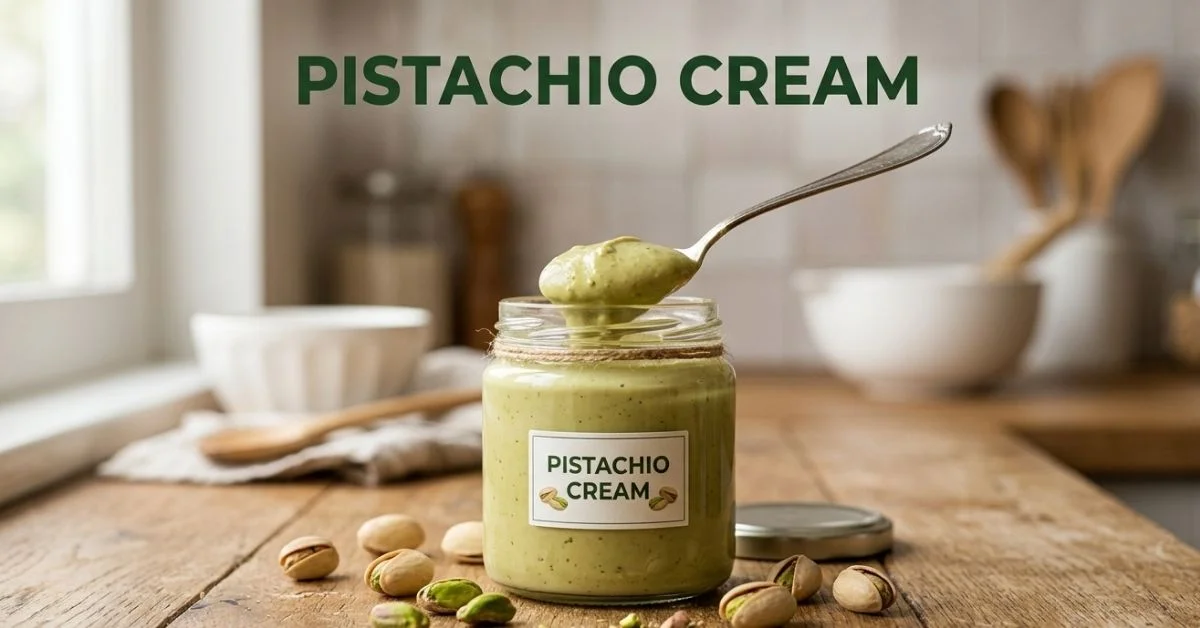
Pistachio cream often looks easy to make, but small mistakes quickly affect the result. Many homemade versions turn out grainy, overly thick, or lacking real pistachio flavor because the balance of ingredients and blending technique is off. Without understanding how fats, sugar, and pistachios work together, it is difficult to achieve that smooth, spreadable consistency found in high-quality versions. This guide breaks down the process in a clear and practical way. You will learn what pistachio cream is, how to choose the right ingredients, and how to control texture for consistent results. It also covers how to use it in different recipes, how it compares to store-bought options, and how to store it properly so it stays fresh and stable.
What Is Pistachio Cream?
Pistachio cream is a sweet, smooth spread made primarily from pistachios, sugar, and fats that help create a soft, creamy texture. Unlike plain nut butter, it’s designed to be indulgent, closer to a dessert filling than a healthy spread. In Italian kitchens, especially in Sicily, it’s treated almost like a luxury ingredient.
The flavor is naturally rich and slightly sweet, with a subtle roasted nuttiness. When made properly, the pistachio taste stays clean and not overly sugary. Good pistachio cream should feel silky on the tongue, not gritty or oily, and it should spread easily without breaking.
Its popularity comes from versatility. You’ll find it in croissants, cakes, gelato, and even simple breakfast toast. It sits in the same category as chocolate spreads, but with a more refined, nut-forward flavor that stands out in both sweet and gourmet dishes.
Read also: Plancha Cooking Made Easy: Complete Beginner Guide
Pistachio Cream vs Pistachio Butter
The main difference comes down to composition. Pistachio butter is usually just ground pistachios, sometimes with a pinch of salt. It’s dense, slightly oily, and closer to peanut butter in texture. Pistachio cream, on the other hand, includes sugar, fats like white chocolate or oil, and sometimes milk powder.
This changes how it behaves in recipes. Pistachio butter works well in savory dishes or as a protein-rich spread. Pistachio cream is softer, sweeter, and designed for desserts. It blends more easily into fillings and frostings without needing extra sugar or fat.
If you’re baking or making desserts, pistachio cream is the better choice. If you want something simpler and less sweet, pistachio butter makes more sense. Knowing the difference helps avoid common mistakes where the wrong texture ruins the final result.
Ingredients You Need (Explained)
Choosing the Right Pistachios
The quality of pistachios decides everything. Raw or lightly roasted pistachios give the best flavor and color. Sicilian pistachios, especially those from Bronte, are known for their deep green color and intense taste, but any high-quality pistachio will work if it’s fresh.
Avoid heavily salted or overly roasted pistachios. They can overpower the cream and give it a dull brown color. If you’re using roasted nuts, keep them lightly toasted so the natural oils remain balanced.
Peeling the skins is optional but recommended for a smoother finish. It improves both texture and appearance, especially if you want that bright green, premium look.
Sweeteners and Fats
Sugar adds sweetness, but it also affects texture. Fine sugar or powdered sugar blends more easily, preventing graininess. White chocolate is often used because it adds fat and helps create a creamy consistency without overpowering the pistachio flavor.
Neutral oils like sunflower oil or mild butter help loosen the mixture. This is where many recipes fail. Without enough fat, the cream stays thick and pasty. With too much, it turns oily. Balance matters more than exact measurements.
Milk powder can also be added for a richer, slightly milky flavor. It gives the cream a dessert-like profile that feels closer to what you’d find in Italian pastry shops.
Optional Flavor Enhancers
A small amount of vanilla extract can round out the flavor without masking the pistachios. It adds depth rather than sweetness. Some people also add a pinch of salt to sharpen the overall taste.
For a more authentic Italian-style pistachio cream, keep it simple. Too many add-ins dilute the main flavor. The goal is to highlight the pistachio, not hide it.
If you want variations, you can experiment later. But for a base recipe, clean and minimal ingredients work best.
Easy Pistachio Cream Recipe (Step-by-Step)
Equipment Needed
A high-speed blender or a strong food processor is essential. Pistachios need time and power to release their oils and turn smooth. A weak machine will leave you with a grainy paste no matter how long you blend.
A spatula helps scrape down the sides, which is important during blending. A fine sieve is optional if you want an ultra-smooth finish, but most home versions skip this step.
Make sure your equipment is dry. Even a small amount of water can affect texture and cause the mixture to seize.
Preparation Steps
Start by blanching and peeling the pistachios if you want a smoother texture and brighter color. Dry them completely before blending. Any moisture will interfere with the process.
Blend the pistachios first on their own until they start releasing oils. This can take several minutes. At first, it will look like crumbs, then a thick paste, and finally something smoother.
Once the pistachios break down, add sugar, melted white chocolate, and a small amount of oil. Blend again until everything combines into a smooth, spreadable cream.
Blending and Texture Tips
Blend longer than you think. Most people stop too early. Pistachio cream becomes smoother with time as the natural oils fully release. Pause occasionally to prevent overheating.
If the mixture feels too thick, add a small amount of oil gradually. Don’t add too much at once. It’s easier to loosen the cream than to fix an oily texture.
Let the cream rest after blending. It thickens slightly as it cools, especially if white chocolate is used. The final texture settles after 20 to 30 minutes.
How to Get a Smooth, Creamy Texture
Texture comes down to emulsification. This means combining fats and solids in a way that creates a stable, smooth mixture. Pistachios contain natural oils, but they need help from added fats like chocolate or oil to reach a creamy consistency.
A powerful blender makes a big difference. It breaks down the pistachio fibers more effectively, reducing graininess. Lower-end machines often leave tiny particles that you can feel in the final product.
Temperature also plays a role. Slight warmth helps fats blend better, but overheating can separate the mixture. Blend in short intervals and let the machine rest if needed to maintain control.
Common Mistakes (And How to Fix Them)
Grainy texture usually comes from under-blending or using coarse sugar. The fix is simple. Blend longer and use finer sugar next time. If already made, reheating slightly and blending again can help smooth it out.
If the cream is too thick, it likely needs more fat. Add a small amount of neutral oil and blend again. If it’s too runny, chill it. White chocolate-based versions firm up naturally when cooled.
Flavor imbalance happens when sugar overpowers the pistachios. This often comes from low-quality nuts. Use better pistachios and keep sweeteners controlled. A pinch of salt can also help balance the flavor.
Delicious Ways to Use Pistachio Cream
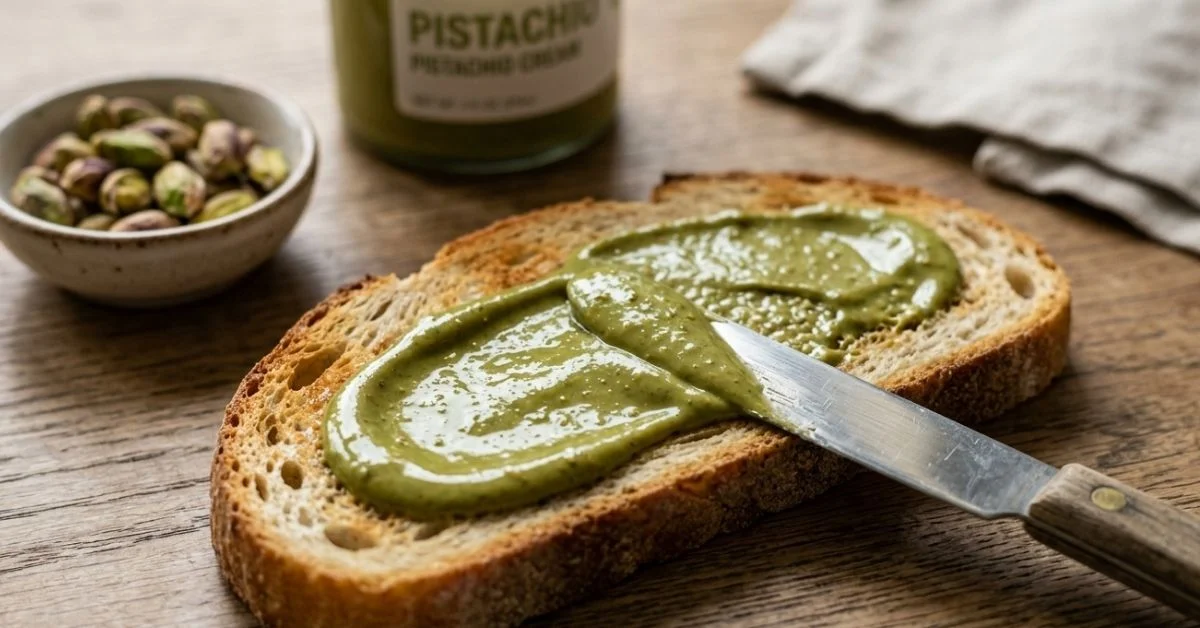
Breakfast Ideas
Spread pistachio cream on toast, pancakes, or waffles for a simple but rich breakfast. It pairs well with fruits like bananas or berries, which cut through the richness.
It also works well in croissants. Fill a warm croissant with a spoonful of pistachio cream and it melts slightly inside, creating a soft, dessert-like center.
For a quick option, swirls it into yogurt. It adds flavor and texture without needing extra toppings.
Desserts and Baking
Pistachio cream shines in desserts. Use it as a filling for cakes, cupcakes, or even cheesecakes. It blends well into frostings and adds a unique flavor that stands out from common chocolate or vanilla.
It’s also perfect for cannoli or layered desserts. The creamy texture holds well and doesn’t leak, making it practical for baking.
You can also drizzle it over ice cream or mix it into gelato for a richer pistachio flavor.
Gourmet Uses
In more refined dishes, pistachio cream can be used as a plating element. A small spread on a dessert plate adds both flavor and visual appeal.
It also works in fusion recipes. Some chefs pair it with savory elements like soft cheeses or even use it in sauces for a subtle nutty note.
Used carefully, it can elevate simple dishes into something more interesting without much effort.
Homemade vs Store-Bought Pistachio Cream
Store-bought options like premium Italian pistachio spreads often use high-quality nuts and controlled processing. They offer consistent texture and flavor, which can be hard to replicate at home without experience.
Homemade pistachio cream gives you control. You decide the sweetness, ingredient quality, and texture. It can taste fresher and more natural, especially if you use good pistachios.
Cost is another factor. High-end pistachio cream can be expensive. Making it at home is usually cheaper, though the price depends on the quality of pistachios you choose.
Storage, Shelf Life, and Safety
Pistachio cream should be stored in an airtight container in the refrigerator. This keeps the fats stable and prevents spoilage. Always use a clean spoon to avoid contamination.
Homemade versions typically last about two to three weeks. Without preservatives, they don’t have the same shelf life as commercial products.
If the smell changes or the texture separates badly, it’s best to discard it. Natural oil separation is normal, but rancid odors are not.
Variations You Can Try
A vegan version replaces white chocolate and milk powder with plant-based alternatives. Coconut cream or dairy-free chocolate works well without changing the core texture too much.
For a sugar-free option, use alternative sweeteners like erythritol or stevia blends. Keep in mind that texture may change slightly depending on the sweetener used.
An Italian-style version focuses on simplicity and high-quality pistachios. Less sugar, fewer additives, and a stronger pistachio flavor define this approach.
Nutrition Overview
Pistachio cream is calorie-dense because of its fat and sugar content. It’s not meant to be a health food, but it does contain healthy fats from pistachios.
Pistachios themselves provide nutrients like protein, fiber, and antioxidants. However, once turned into cream, the added sugar increases the overall calorie count.
It’s best enjoyed in moderation. A small amount goes a long way in both flavor and richness.
Conclusion
Pistachio cream is simple in concept but depends on small details to get right. The quality of pistachios, the balance of fats and sweetness, and proper blending all shape the final result. Once you understand how texture and emulsification work, the process becomes consistent and reliable. This guide gives you more than a recipe by showing how to adjust and fix common issues. It also opens up practical ways to use pistachio cream in everyday meals and desserts. With the right approach, homemade versions can match or even exceed store-bought quality. Try it once with attention to detail, and it quickly becomes a staple worth repeating.
FAQs
What is pistachio cream made of?
It’s typically made from pistachios, sugar, fats like oil or white chocolate, and sometimes milk powder or vanilla for added flavor.
Is pistachio cream the same as pistachio butter?
No, pistachio butter is just ground nuts, while pistachio cream includes sweeteners and fats for a softer, dessert-like texture.
How do you make pistachio cream smooth?
Use a strong blender, blend longer than expected, and add enough fat to help emulsify the mixture properly.
Can I make pistachio cream without white chocolate?
Yes, you can replace it with oil or plant-based fats, though the texture and flavor will be slightly different.
How long does pistachio cream last?
Homemade pistachio cream usually lasts two to three weeks in the refrigerator when stored properly.
What can I use pistachio cream for?
It works well as a spread, dessert filling, topping for pancakes or ice cream, and even in gourmet dishes.
-

 Food2 weeks ago
Cuts of Steak: Complete Guide to Beef Cuts
-

 Food2 weeks ago
What Is Andouille Sausage? Complete Guide
-

 Drinks2 weeks ago
Easy Lychee Martini Recipe Sweet & Floral Cocktail
-

 Food2 weeks ago
Black Pudding Guide: History, Recipe & Nutrition
-

 Food3 weeks ago
Shirleys Coffee Shop Guam Locations Menu and Guide
-

 Food2 weeks ago
Ultimate Tripas Recipe and Cooking Guide
-

 Food2 weeks ago
Italian Ice Flavoring Guide: Flavors, Bases, and Recipes
-

 Blog2 weeks ago
Saltwater Kitchen & Sushi: Menu, Reviews, and Visitor Guide