
Food
Organic Whole Wheat Bread: A Complete Guide


Organic whole wheat bread is bread made from flour that uses the entire wheat kernel and is grown without synthetic pesticides or chemical fertilizers. It sounds simple, but there is a lot of confusion around what “organic” actually means, whether it is truly healthier than regular bread, and how to bake it at home without ending up with a dense, heavy loaf.
This guide covers everything clearly. You will learn the real difference between organic and regular whole wheat bread, the actual health benefits, a beginner-friendly recipe, common baking mistakes and how to fix them, plus practical tips for buying and storing it. Whether you bake at home or buy from a store, this article will help you make a smarter, more informed choice.
What Is Organic Whole Wheat Bread?
Organic whole wheat bread is made from whole wheat flour that is certified organic, meaning the wheat was grown on farms that follow strict standards. These farms avoid synthetic pesticides, artificial fertilizers, and genetically modified organisms. The bread uses the full grain, including the bran, germ, and endosperm, unlike refined white bread which strips most of that away.
A simple definition for quick reference: Organic whole wheat bread is a bread made from certified organic whole wheat flour that retains the bran, germ, and endosperm of the wheat kernel. It provides more fiber, vitamins, and minerals than regular white or refined wheat bread, while also being free from synthetic agricultural chemicals.
Read also: Italy Traditional Breakfast: What Locals Actually Eat
The Difference Between Organic and Regular Whole Wheat Bread
Regular whole wheat bread uses flour made from wheat grown with conventional farming methods, which may include synthetic pesticides and fertilizers. Organic whole wheat bread comes from certified farms that skip those chemicals entirely.
The nutritional difference is not dramatically huge, but the reason many people prefer organic is to reduce exposure to pesticide residues. A 2019 study found measurable pesticide residues on a portion of conventionally grown grain products. For people who eat bread daily, that adds up over time.
The other practical difference is taste. Many home bakers and food enthusiasts notice that organic whole wheat flour has a slightly richer, nuttier flavor. It is subtle, but it is there.
What “Whole Wheat” Actually Means
Whole wheat means the flour was milled using the entire wheat berry. The bran gives fiber, the germ provides vitamins and healthy fats, and the endosperm provides energy from carbohydrates. When bread is labeled “whole grain” or “multigrain,” it does not automatically mean it uses 100% whole wheat. Always check the ingredients list.
Health Benefits of Organic Whole Wheat Bread
High Fiber and Digestion Support
One slice of whole wheat bread typically provides around 2 grams of dietary fiber. Two slices give you roughly 10 to 15 percent of your daily fiber needs. Fiber helps your digestive system move food through more efficiently, reduces bloating, and keeps you feeling fuller longer.
A practical example: many people who switch from white bread to whole wheat bread report feeling less hungry between meals. That is the fiber doing its job. It slows digestion slightly, which prevents sharp blood sugar spikes.
Nutrients and Whole Grain Advantages
Organic whole wheat bread contains B vitamins like niacin, thiamine, and folate. It also has minerals such as magnesium, iron, and zinc. These are naturally present in the bran and germ, which refined bread loses during processing.
Magnesium, in particular, supports muscle function and heart health. Many people in modern diets are slightly low in magnesium, and swapping white bread for whole wheat is one small way to close that gap.
Who Should Eat It and Who Should Limit It
Most healthy adults benefit from including whole wheat bread in their diet. It suits people focused on weight management, heart health, and steady energy levels throughout the day.
People with celiac disease or non-celiac gluten sensitivity should avoid it entirely since wheat contains gluten. Those with diagnosed irritable bowel syndrome may also find that high-fiber bread worsens symptoms, so it is worth discussing with a doctor before making it a staple.
People managing type 2 diabetes can generally eat whole wheat bread in moderation. Its glycemic index is lower than white bread, meaning it raises blood sugar more gradually. Portion size still matters, though.
Key Ingredients Explained
Organic Whole Wheat Flour
This is the foundation. Look for certified organic stone-ground whole wheat flour when baking at home. Stone-ground flour retains more of the natural oils from the germ, which adds flavor and nutrition. It has a shorter shelf life than commercially processed flour because of those natural oils, so store it in the fridge or freezer once opened.
Yeast, Water, and Natural Sweeteners
Active dry yeast or instant yeast helps the bread rise. Water temperature matters here. Too hot and it kills the yeast. Too cold and it will not activate. Aim for water between 100 and 110 degrees Fahrenheit (about 38 to 43 Celsius).
Natural sweeteners like honey or maple syrup feed the yeast and add a mild sweetness without being overpowering. A tablespoon or two is usually enough for a standard loaf. Avoid using refined white sugar if you want to keep the bread as natural as possible.
Add-ins: Seeds, Grains, and Extras
Sunflower seeds, flaxseeds, sesame seeds, and rolled oats are popular additions that boost nutrition and texture. Adding a tablespoon of vital wheat gluten to the dough helps offset the density that whole wheat flour can sometimes create. It makes the final loaf softer and easier to slice.
Homemade Organic Whole Wheat Bread Recipe
This is a straightforward recipe designed for beginners. No complicated techniques, no special equipment beyond a standard loaf pan.
Ingredients List
3 cups organic whole wheat flour 1 packet (2 and a quarter teaspoons) active dry yeast 1 cup warm water 2 tablespoons honey or maple syrup 1 teaspoon salt 2 tablespoons olive oil or melted butter 1 tablespoon vital wheat gluten (optional but recommended)
Step-by-Step Instructions
- Start by combining warm water, honey, and yeast in a large bowl. Let it sit for about 5 to 10 minutes until it becomes foamy. This confirms the yeast is active and alive.
- Add the olive oil and salt to the yeast mixture and stir briefly. Then add the flour one cup at a time, mixing as you go. Once the dough comes together, transfer it to a lightly floured surface and knead for 8 to 10 minutes. The dough should feel smooth and slightly tacky but not sticky.
- Place the dough in a lightly oiled bowl, cover it with a clean kitchen towel, and let it rise in a warm spot for 1 to 1.5 hours, or until it doubles in size. Punch it down gently, shape it into a loaf, and place it in a greased 9×5 inch loaf pan. Let it rise again for 30 to 45 minutes.
- Bake at 375 degrees Fahrenheit (190 Celsius) for 30 to 35 minutes. The bread is done when it sounds hollow when tapped on the bottom. Let it cool completely on a wire rack before slicing.
Baking Tips for a Soft and Fluffy Loaf
The biggest mistake beginners make is cutting the bread too early. Letting it cool fully allows the interior structure to set properly. If you cut it while still warm, it can seem gummy inside even when fully baked.
Adding the vital wheat gluten makes a noticeable difference. One home baker shared that without it, her whole wheat loaf was always too dense. One tablespoon per recipe changed everything, giving her a soft sandwich-style bread instead of a brick.
Also, do not add too much flour while kneading. A slightly sticky dough produces a moister loaf. Over-flouring leads to dry, crumbly bread.
Common Mistakes to Avoid
Why Bread Turns Dense or Dry
Dense bread almost always comes down to one of three things: dead yeast, too much flour, or not enough kneading. Check your yeast before mixing by proofing it in warm water first. If it does not foam, throw it out and start with a fresh packet.
Over and Under Kneading
Under-kneaded dough does not develop enough gluten structure, so the bread cannot hold the gas bubbles created by yeast. It collapses or stays flat. Over-kneaded dough becomes tough and chewy in the wrong way. Eight to ten minutes of hand kneading is the sweet spot for most whole wheat recipes.
Proofing Problems
Proofing in a space that is too cold means your bread will not rise properly, or it will take far too long. A handy trick is to preheat your oven to the lowest temperature for two minutes, turn it off, then place your covered dough inside. That warm environment speeds up proofing without overheating the yeast.
Store-Bought vs Homemade: Which Is Better?
Taste and Texture
Homemade wins on flavor and texture almost every time. You control the ingredients, the freshness, and the bake. Store-bought bread often includes preservatives to extend shelf life, and some brands use enriched flour mixed in with whole wheat, which dilutes the nutritional value.
Cost Comparison
A bag of organic whole wheat flour costs roughly 4 to 6 dollars and yields multiple loaves. Store-bought organic whole wheat bread ranges from 5 to 8 dollars per loaf depending on the brand. Baking at home is clearly more cost-effective over time, especially for families.
Ingredient Quality
Read the label on any store-bought loaf carefully. Some brands labeled as “whole wheat” actually use enriched wheat flour as the first ingredient, which is a refined product. Real whole wheat bread should list whole wheat flour as the first and primary ingredient with no enriched flour anywhere in the list.
How to Choose the Best Organic Whole Wheat Bread at the Store
Reading Labels the Right Way
The ingredient list tells you everything. Whole wheat flour should be the first item. A short ingredient list is usually a good sign. If you see more than 8 to 10 ingredients with names you cannot pronounce, that is a red flag.
Ingredients to Avoid
Watch out for high fructose corn syrup, artificial preservatives like calcium propionate in high amounts, hydrogenated oils, and caramel coloring used to make bread appear darker and healthier than it is.
What to Look For
The USDA Organic seal is the most reliable marker for certified organic products in the United States. Look also for “100% whole wheat” rather than just “whole wheat” or “made with whole grain.” Those phrases can be misleading and often mean only a portion of the flour is whole wheat.
Storage and Shelf Life Tips
How to Keep Bread Fresh Longer
Homemade bread without preservatives stays fresh at room temperature for about 3 to 4 days when stored in an airtight bag or wrapped in a clean cloth. Avoid the refrigerator. While it sounds logical, refrigeration actually speeds up the staling process in bread by causing moisture to move out of the starch.
Keep your bread in a cool, dry area away from direct sunlight. A bread box works well if you bake regularly.
Freezing and Reheating Tips
Slicing the bread before freezing is the most practical approach. You can pull out individual slices and toast them directly from frozen without any thawing needed. Whole loaves can be frozen for up to 3 months when wrapped tightly in plastic wrap and placed in a freezer bag.
To reheat a full loaf, wrap it in foil and warm it in the oven at 300 degrees Fahrenheit for about 15 to 20 minutes. It will taste nearly as fresh as the day it was baked.
Conclusion
Organic whole wheat bread is a genuinely nutritious choice when you pick the right product or bake it yourself with quality ingredients. The key points are simple: look for whole wheat flour as the first ingredient, choose certified organic when possible, and do not be fooled by packaging that uses words like “multigrain” or “wheat” without specifying 100% whole wheat.
If you are baking at home, follow the recipe above and be patient with the proofing process. Most baking failures come from rushing. Take the time to let the dough develop, and you will get a loaf worth making again.
Whether you are managing your weight, supporting your digestion, or simply trying to eat more real food, organic whole wheat bread is a practical, affordable step in the right direction.
FAQs
Is organic whole wheat bread actually healthier than regular bread?
Yes, in a meaningful way. It contains more fiber, more vitamins, and more minerals than white or refined bread. The organic label adds the benefit of reduced pesticide exposure. For people who eat bread daily, these differences add up over time even if a single slice does not look dramatically different on a nutrition label.
Is it good for weight loss?
It can support weight loss when used as part of a balanced diet. The fiber content helps control hunger, and it has a lower glycemic index than white bread. That said, portion control still matters. Eating four or five slices a day will not help weight loss goals regardless of the bread type.
Can people with diabetes eat it?
Most people with type 2 diabetes can include moderate amounts of whole wheat bread in their diet. Its glycemic index is lower than white bread, so it causes a slower rise in blood sugar. That said, individual responses vary, and it is best to monitor blood glucose and consult a healthcare provider.
How long does homemade organic whole wheat bread last?
At room temperature in an airtight container, it stays fresh for 3 to 4 days. In the freezer, it keeps well for up to 3 months. Avoid storing it in the refrigerator, as that makes it go stale faster.
Does the bread have to be 100% whole wheat to be healthy?
Not necessarily, but 100% whole wheat gives you the full nutritional benefit. Blended breads that mix whole wheat with refined flour still offer some benefits, but less fiber and fewer nutrients than a pure whole wheat loaf.
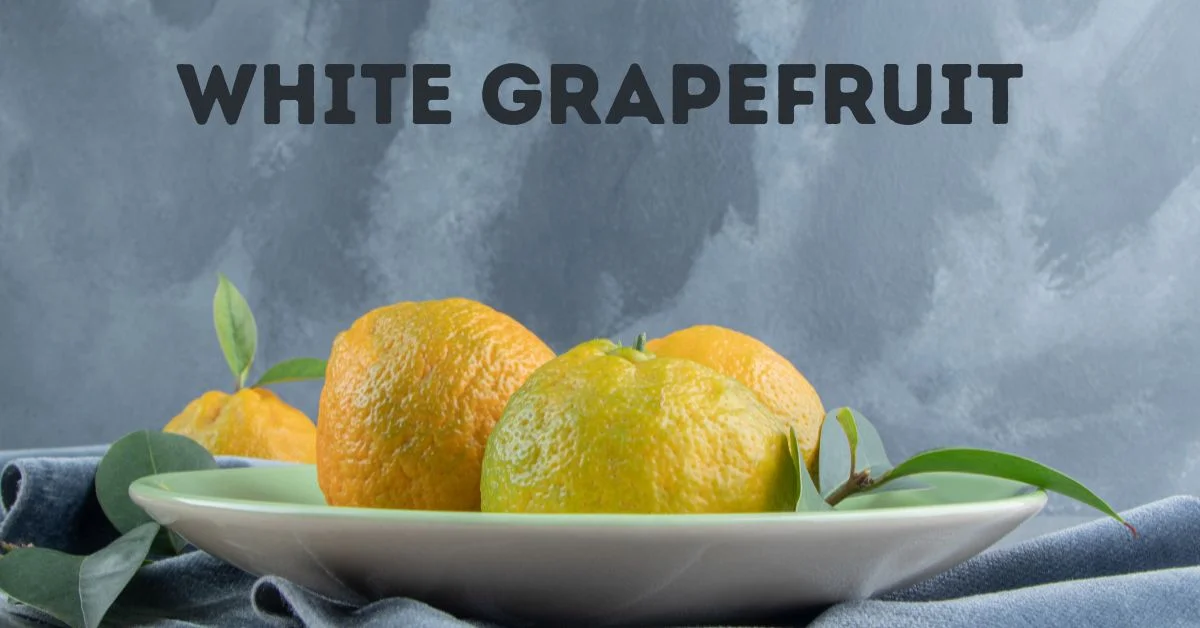
White grapefruit is a citrus fruit with pale yellow flesh, a sharp tangy flavor, and a thick, smooth skin. It belongs to the same family as pink and red grapefruit but stands out for its stronger bitterness and slightly lower sweetness. Many people confuse it with other grapefruit varieties or do not know how to pick a good one, store it properly, or reduce its bitterness.
This guide covers everything you need to know about white grapefruit, from how to choose the best fruit at the store to how to eat it, store it, and understand its health benefits. You will also find a clear comparison with pink and red grapefruit, a nutritional breakdown, and answers to the most common questions people have.
What Is White Grapefruit?
White grapefruit is a large citrus fruit with light yellow or pale green skin and almost colorless to pale yellow flesh inside. It is one of the oldest and most widely grown grapefruit varieties in the world. Despite the name, it is not actually white but more of a creamy yellow tone when you cut it open.
Key Characteristics
White grapefruit is larger than most citrus fruits, usually ranging from 10 to 15 centimeters in diameter. The skin is smooth and firm, with a glossy look when fresh. The flesh is divided into segments like other citrus fruits and tends to be slightly firmer than pink or red varieties.
One thing that stands out about white grapefruit is the balance between bitterness and acidity. It is more tart than sweet, which makes it popular in juicing and cooking, where that sharp flavor adds depth.
White grapefruit is also typically seedier than pink or red types, though seedless varieties like Marsh grapefruit do exist and are widely available in most grocery stores.
Read also: Chai Tea Latte How Much Caffeine Is Actually In It?
How It Differs from Other Grapefruits
The main difference between white, pink, and red grapefruit comes down to pigmentation and flavor. White grapefruit lacks the lycopene and beta-carotene that give pink and red varieties their color. This also means it has a slightly different nutritional profile.
In terms of taste, white grapefruit is notably more bitter and less sweet than pink or red. Many people who are new to grapefruit prefer starting with red or pink because white grapefruit’s flavor can be intense without some preparation.
White Grapefruit Taste, Texture, and Nutrition
Flavor Profile
White grapefruit has a bold, tart flavor with a noticeable bitterness that comes from a natural compound called naringin. This compound is present in all grapefruits but is most concentrated in the white variety, which is why it tastes sharper than its pink or red counterparts.
The sweetness level is lower, but it is not unpleasant. Once you get used to the flavor, many people prefer it for its clean, refreshing sharpness. Adding a small sprinkle of sugar or a drizzle of honey over the cut fruit softens the bitterness significantly without masking the natural citrus flavor.
A helpful tip from experienced citrus growers: fruit that is left to ripen longer on the tree tends to be noticeably sweeter. If you buy from a local farmers market where the fruit is freshly picked at peak ripeness, the bitterness is much milder than what you typically find in a supermarket.
Juiciness and Flesh Texture
White grapefruit tends to be very juicy, which makes it a popular choice for fresh-squeezed juice. The flesh is firm but breaks apart cleanly when cut properly. It is not as soft or as easy to scoop as red grapefruit, but the juice yield is excellent.
If you are juicing white grapefruit, rolling it on a flat surface with your palm for 20 to 30 seconds before cutting it in half helps release more juice. This simple technique is widely used by professional juicers and home cooks alike.
Nutritional Benefits
White grapefruit is a low-calorie fruit with impressive nutritional value. One medium white grapefruit (roughly 230 grams) contains approximately:
Calories: 78 Carbohydrates: 20 grams Fiber: 2.5 grams Vitamin C: around 70 to 80 mg (close to the full daily recommended intake) Potassium: 320 mg Vitamin A: moderate amount Natural sugars: approximately 16 grams
It is also a good source of antioxidants and contains a decent amount of folate, which supports cell function and is especially important during pregnancy.
White vs Pink vs Red Grapefruit
Taste Comparison
White grapefruit is the most bitter and least sweet of the three. Pink grapefruit sits in the middle, offering a balance of tartness and mild sweetness that most people find easy to enjoy. Red grapefruit, often called Ruby Red, is the sweetest and most popular for eating fresh because of its mellow flavor.
If you enjoy bold, sharp flavors, white grapefruit is a great choice. If you prefer something gentler, pink or red is a better starting point.
Nutrition Differences
The biggest nutritional difference is in antioxidants. Pink and red grapefruit contain lycopene and beta-carotene, two antioxidants associated with heart health and reduced inflammation. White grapefruit does not contain these compounds but is still rich in Vitamin C, fiber, and flavonoids like naringin, which have their own health benefits.
All three types have similar calorie counts and water content. The fiber levels are also comparable, so from a basic nutrition standpoint, all three are excellent fruits.
Best Uses for Each Type
White grapefruit works best in juices, cocktails, vinaigrettes, and marinades where its sharp flavor adds a punch. Pink grapefruit is a solid all-purpose choice, great for eating fresh or in salads. Red grapefruit is ideal for fresh eating, smoothies, and desserts where a naturally sweet citrus note is preferred.
How to Choose the Best White Grapefruit
What to Look For
When choosing a white grapefruit, pick it up before you buy it. The fruit should feel heavy for its size, which indicates high juice content. A light fruit usually means it has dried out inside.
Look for smooth, firm skin with a consistent yellow-green or yellow color. Some surface blemishes are fine and do not affect taste, but avoid fruit with soft spots, wrinkled skin, or a dull dry appearance.
Signs of Ripeness
A ripe white grapefruit will have a slight give when you press it gently, similar to a ripe orange. The skin should not feel rock hard. A faint citrus aroma near the stem end is also a positive sign of ripeness.
One detail that many buyers miss: a fully ripened white grapefruit may still have a slightly greenish tint on the skin. That green color is not a sign of unripens in grapefruit the way it is in some other fruits. It is simply a result of the rind’s reaction to temperature and does not reflect the sweetness inside.
Common Buying Mistakes to Avoid
Choosing based on size alone is one of the most common mistakes. A bigger grapefruit is not always a juicier or better-tasting one. Weight is a far more reliable indicator than size.
Also avoid grapefruit with very thick, puffy skin. While thick skin is normal in grapefruit, an excessively spongy or inflated feel usually means less fruit and more rind inside.
Popular White Grapefruit Varieties
Marsh Grapefruit
The Marsh variety is the most widely sold white grapefruit in the world. It was developed in the early 1900s and became popular quickly because it is seedless (or nearly seedless) and consistently juicy with a reliable flavor. Most white grapefruit you find in supermarkets today is the Marsh variety or a direct descendant of it.
It has a classic white grapefruit flavor, moderately bitter with good acidity and a clean finish. It is excellent for both juicing and fresh eating.
Other Common Types
Duncan grapefruit is one of the oldest known varieties and is still valued for its deep flavor and high juice content. It tends to have more seeds than Marsh, which makes it less popular in retail, but many citrus growers and home gardeners prefer it for its richer taste.
Oroblanco, sometimes called a sweetie, is a hybrid between a grapefruit and a pomelo. It looks and tastes similar to white grapefruit but is significantly sweeter and less bitter, making it a popular option for those who find traditional white grapefruit too sharp.
How to Cut and Eat White Grapefruit
Step-by-Step Cutting Guide
Start by washing the outside of the fruit under cold water. Place it on a cutting board and cut off a small slice from both the top and the bottom so it sits flat and stable.
Stand it upright and cut away the skin and white pith in downward strokes, following the curve of the fruit. Once all the skin is removed, you can either cut it into rounds, separate it into segments by hand, or use a small sharp knife to cut along the membrane lines to release individual segments cleanly, a technique called supreming.
Easy Ways to Eat It
White grapefruit is excellent halved and eaten with a spoon, the classic breakfast style. You can also juice it for a sharp, refreshing morning drink. Segmented white grapefruit works well in salads, especially with bitter greens like arugula, crumbled cheese, and a light honey dressing.
In cooking, white grapefruit juice can replace lemon juice in vinaigrettes and marinades, adding a citrusy depth that is slightly more complex than lemon.
How to Reduce Bitterness
To reduce bitterness, lightly salt the cut surface before eating. Salt counteracts bitterness in a surprising and effective way. A small drizzle of honey or a light dusting of sugar also helps. Removing as much of the white pith as possible when peeling is another important step because the pith carries the most concentrated bitterness.
Chilling the fruit slightly before eating also seems to mellow the sharpness for many people.
Storage and Shelf Life
Room Temperature vs Refrigerator
White grapefruit stores well at room temperature for about one week if kept in a cool, dry place away from direct sunlight. For longer storage, place it in the crisper drawer of your refrigerator, where it can last for two to three weeks without losing significant quality.
Cut grapefruit should be covered tightly with plastic wrap or stored in an airtight container in the fridge and used within two to three days.
How Long It Lasts
Whole grapefruit at room temperature: up to 1 week Whole grapefruit in the fridge: 2 to 3 weeks Cut grapefruit in the fridge: 2 to 3 days Fresh-squeezed juice in the fridge: 2 to 3 days, best consumed the same day
Health Benefits and Precautions
Key Health Benefits
White grapefruit is a genuinely useful fruit for overall health. Its high Vitamin C content supports immune function and skin health. The fiber supports digestion and helps with feeling full longer, which makes it a popular option for people managing their weight.
The naringin in white grapefruit has shown anti-inflammatory properties in research, and the fruit’s potassium content supports healthy blood pressure. Its high water content also contributes to daily hydration.
For people managing blood sugar, grapefruit has a relatively low glycemic index compared to many other sweet fruits, which means it does not cause sharp blood sugar spikes when consumed in normal portions.
Who Should Avoid Grapefruit
This is critically important: white grapefruit and all grapefruit varieties interact with a significant number of common medications. The fruit blocks an enzyme in the gut called CYP3A4, which is responsible for breaking down many drugs. When this enzyme is blocked, the medication builds up in the bloodstream at higher levels than intended, which can lead to serious side effects.
Medications commonly affected include certain statins (cholesterol drugs), blood pressure medications, some antihistamines, immunosuppressant’s, and some psychiatric medications. If you take any prescription medications, speak with your doctor or pharmacist before eating grapefruit regularly. This warning applies to grapefruit juice as well.
When Is White Grapefruit in Season?
Peak Availability
White grapefruit is in peak season from November through April in the Northern Hemisphere. The best flavor is generally found between December and March, when the fruit has had time to develop its full sweetness on the tree.
Florida and Texas are the two largest producing states in the United States. Florida’s warm, humid climate produces grapefruit with a softer flavor, while Texas-grown varieties, particularly from the Rio Grande Valley, tend to have a slightly more intense flavor.
Where to Buy
White grapefruit is available year-round in most large supermarkets because of imports from the Southern Hemisphere during the off-season months. However, for the best quality, buying in season from a local market or directly from a citrus farm gives you noticeably fresher, more flavorful fruit.
Online citrus vendors and subscription fruit boxes have also made it possible to order freshly picked grapefruit directly from growers in Florida and California, which is a good option for people in regions where fresh citrus is not locally available.
Conclusion
White grapefruit is a flavorful, nutritious citrus fruit that rewards a little extra knowledge. Once you know how to pick a good one, how to store it, and how to reduce its natural bitterness, it becomes a genuinely enjoyable fruit to eat and cook with. It is sharper and more complex in flavor than pink or red grapefruit, but that is exactly what makes it so useful in cooking and juicing.
If you take medications regularly, the one thing to keep in mind is the grapefruit and drug interaction, which is easy to overlook but important to check. Beyond that, white grapefruit is a simple, affordable fruit with solid nutritional value that fits well into most healthy diets.
FAQs
Why does white grapefruit taste so bitter?
The bitterness comes from a natural flavonoid called naringin. White grapefruit contains more of this compound than pink or red varieties. Removing the white pith, adding a pinch of salt, or lightly sweetening the fruit can noticeably reduce the bitterness.
Is white grapefruit healthier than pink or red grapefruit?
Not necessarily healthier overall, just different. White grapefruit is equally high in Vitamin C and fiber, but it lacks lycopene and beta-carotene found in pink and red types. Each variety has its own strengths, and all three are nutritious choices.
Can you eat white grapefruit every day?
Yes, for most people, eating one grapefruit per day is perfectly healthy and can support immunity, digestion, and hydration. The key exception is people taking certain medications, who should check with a doctor first because of the enzyme interaction mentioned above.
How do you know if white grapefruit has gone bad?
Signs of spoilage include soft or mushy spots, an off or fermented smell, very dry and shriveled skin, or mold on the surface. A grapefruit that feels extremely light has likely dried out inside.
Is white grapefruit good for weight loss?
It can be a helpful part of a balanced diet. It is low in calories, high in fiber, and has a high water content, all of which support satiety. However, no single food causes weight loss on its own. Including white grapefruit as part of a varied, balanced diet is a smart choice.

A Chai tea latte how much caffeine is a spiced milk drink made with black tea, warm milk, and a blend of spices like cinnamon, cardamom, ginger, and cloves. It is popular in cafes worldwide and often seen as a gentler alternative to coffee. But one question comes up again and again: how much caffeine does it actually have?
The answer is not as simple as most people expect. The caffeine in a chai tea latte varies depending on how it is made, what brand you use, and how large your cup is. A regular 8-ounce chai latte made with black tea has around 40 to 70 mg of caffeine, but that number can shift quite a bit.
In this article, you will get exact caffeine ranges by type and size, a comparison with coffee and other drinks, and practical tips to manage your intake.
Quick Answer: How Much Caffeine Is in a Chai Tea Latte?
A standard 8-ounce chai tea latte contains between 40 and 70 mg of caffeine. This puts it below a regular cup of coffee, which averages around 95 mg, but well above most herbal teas, which have zero caffeine.
The wide range exists because chai lattes can be made in very different ways. A homemade version steeped from a single tea bag sits at the lower end. A large cafe chai made with concentrated liquid syrup can push much higher.
Why the Amount Varies So Much
The caffeine in your chai latte depends on the tea base used, how long it was brewed, whether concentrate or powder was used, and the size of the drink. Each of these factors can add or subtract caffeine significantly. Even the same drink ordered at the same cafe can vary slightly depending on who made it.
What Is a Chai Tea Latte?
Chai simply means “tea” in Hindi, so “chai tea” is technically redundant, but the Western term has stuck. A traditional Indian chai is brewed by simmering black tea leaves with milk, sugar, and whole spices directly on a stovetop. It is bold, sweet, and spicy.
A chai tea latte, as served in Western cafes, is usually made by mixing a pre-made chai concentrate or powder with steamed milk. The result is smoother and creamier than traditional chai, but often less bold in flavor and sometimes lower in caffeine.
Read also: Organic Whole Wheat Bread: A Complete Guide
Common Ingredients and Their Role in Caffeine Content
The main source of caffeine in a chai latte is the black tea. The spices, milk, and sweetener add no caffeine at all. So the type and quantity of black tea used is the single most important factor in determining how caffeinated your drink will be.
If a recipe uses more tea, steeps it longer, or uses a double-strength concentrate, the caffeine will be higher. If the milk ratio is heavy and the tea is diluted, you get a milder drink with less caffeine per sip.
Caffeine in Chai Tea Latte by Type
Not all chai lattes are created equal. The way your drink is prepared makes a real difference.
Tea Bag Chai Latte
If you make a chai latte at home using a chai-flavored tea bag steeped in hot water, then top it with warm frothed milk, you are looking at roughly 25 to 50 mg of caffeine per 8-ounce cup. The caffeine depends on the brand of tea bag and how long you steep it.
Tazo, Bigelow, and Twinings all make popular chai tea bags. Steeping for 3 minutes gives you less caffeine than steeping for 5 minutes. This is one of the easiest ways to control your intake at home.
Concentrate (Store-Bought or Cafe)
Chai concentrate is a thick, pre-brewed liquid you mix with milk, usually in a 1:1 ratio. Brands like Oregon Chai and Tazo sell these in cartons. An 8-ounce serving made with concentrate typically has 50 to 70 mg of caffeine.
Cafes often use a commercial concentrate that is quite strong. When they mix it with milk and serve you a 16-ounce cup, the caffeine can reach 80 to 120 mg depending on the brand and serving ratio.
Powdered Chai Mix
Powdered chai mixes are the least consistent option. Some are made with real black tea powder and have meaningful caffeine, while others are mostly sugar and spice flavoring with very little actual tea. You might get anywhere from 10 to 55 mg per serving.
If you use a powdered mix regularly and wonder why you do not feel much of a buzz, it is likely a low-tea product. Check the ingredient label and see where tea falls on the list.
Homemade Chai Latte
A homemade chai latte made from scratch with loose leaf black tea, whole spices, milk, and sugar gives you the most control. Depending on the strength of your brew and the type of tea you use, caffeine can range from 40 to 80 mg per cup.
Assam tea, which is common in traditional chai recipes, is one of the stronger black teas. Using two teaspoons of loose Assam in a single cup and simmering it for several minutes can give you caffeine levels that rival a weak coffee.
Caffeine by Popular Brands and Sizes
Knowing what is in your cup at a specific cafe helps you make better decisions.
Starbucks Chai Tea Latte
Starbucks uses Tazo chai concentrate for their chai lattes. Here is how caffeine breaks down by size:
Tall (12 oz): approximately 70 mg Grande (16 oz): approximately 95 mg Venti (20 oz): approximately 120 mg
These numbers are consistent across most Starbucks locations. A grande chai latte has roughly the same caffeine as a standard cup of drip coffee, which surprises many people who choose it thinking it is a low-caffeine option.
Dunkin Chai Latte
Dunkin makes their chai latte with a spiced chai concentrate and steamed milk. A medium chai latte at Dunkin contains around 70 to 90 mg of caffeine. Their large size can reach 110 mg or more.
Dunkin does not publish its exact caffeine figures as consistently as Starbucks, so these are approximations based on reported ingredient information and serving size comparisons.
Cafe Versions vs Homemade
The key difference between a cafe chai and a homemade one is concentrate strength. Cafes use commercial concentrates that are designed for high-volume production and bold flavor. These tend to be stronger per ounce than what most people make at home. If you are watching your caffeine intake closely, making chai at home with a single tea bag gives you the most predictable result.
Chai Latte vs Other Drinks: A Simple Comparison
Here is a quick side-by-side view of average caffeine content per 8-ounce serving:
| Drink | Caffeine (per 8 oz) | Level |
| Chai latte (homemade) | 40–70 mg | Low |
| Chai latte (cafe, grande) | 70–120 mg | Moderate |
| Drip coffee | 80–100 mg | Moderate |
| Espresso (single shot) | 60–75 mg | Low |
| Matcha latte | 50–70 mg | Low |
| Black tea (plain) | 40–60 mg | Low |
| Green tea | 25–45 mg | Low |
| Herbal tea | 0 mg | None |
Chai Latte vs Coffee
A home-brewed chai latte has noticeably less caffeine than a standard cup of coffee. But a large cafe chai can match or come close to a regular drip coffee. The difference is in the feel. Coffee caffeine tends to hit faster and harder. Chai gives a softer, more gradual energy lift because the tea’s caffeine is balanced by an amino acid called L-theanine, which promotes calm alertness.
Chai Latte vs Espresso
A single espresso shot has about 60 to 75 mg of caffeine packed into just one ounce. A chai latte spreads a similar amount across 8 to 16 ounces. Espresso hits more intensely. Chai feels gentler. That is why many people use chai as a mid-afternoon drink when they want focus without the jitteriness that espresso can bring.
Chai Latte vs Green Tea
Green tea has about half the caffeine of a cafe chai latte. If you are very sensitive to caffeine, green tea is the lighter option. However, both contain L-theanine, which helps smooth out the effects.
What Affects Caffeine Levels in Chai?
Understanding the variables helps you control what you are drinking.
Type of Tea Used
Black tea is the standard base for chai and has the most caffeine of common tea types. Green tea chai is less common but exists and has less caffeine. Rooibos chai is completely caffeine-free because rooibos is not technically a true tea but a herbal plant from South Africa.
Brewing Time and Strength
Steeping tea for longer extracts more caffeine. A chai steeped for 2 minutes is noticeably weaker than one steeped for 6 minutes. Traditional Indian chai is often simmered on the stove for 5 to 10 minutes, which is why it tends to be stronger than a quick steep version.
Milk-to-Tea Ratio
More milk means more volume but does not change the total milligrams of caffeine in your cup. However, it does change concentration, meaning each sip has less caffeine. A milkier chai feels lighter partly because of this dilution effect.
Added Espresso: The Dirty Chai
A dirty chai latte is a regular chai latte with one or two shots of espresso added. This takes your caffeine from around 70 mg up to 130 to 200 mg in one drink. It is one of the most common hidden sources of extra caffeine in chai drinks. If someone ordered a dirty chai at a coffee shop and felt unexpectedly wired, this is exactly why.
Does a Chai Latte Have More Caffeine Than Coffee?
In most cases, no. A standard cup of drip coffee has more caffeine than a homemade or small chai latte. However, a large cafe chai, especially one made with a strong concentrate, can get close to or match a regular coffee.
The more important difference is how the caffeine feels. Coffee tends to give a sharper, faster jolt. Chai gives steadier, smoother energy. Many people who feel anxious or shaky with coffee switch to chai and feel better, even if the caffeine content is only slightly lower.
Which Is Better for Energy vs Calm Focus?
Coffee is better if you need a quick, strong wake-up. Chai is better if you want sustained alertness without the edge. The L-theanine in black tea works alongside caffeine to reduce jitteriness, making chai a solid choice for focused work in the afternoon.
Low-Caffeine and Caffeine-Free Chai Options
You do not have to give up chai if you are reducing caffeine.
Rooibos Chai Latte
Rooibos is a naturally caffeine-free plant that carries spices beautifully. A rooibos chai latte has the same warm, spiced flavor as a regular chai but with zero caffeine. It is a great evening option. Many specialty tea brands now sell pre-blended rooibos chai bags specifically for this reason.
Decaf Chai Tea
Some brands sell decaf black tea chai blends where most of the caffeine has been removed through processing. These typically have less than 5 mg of caffeine per serving, which is negligible for most people.
How to Order or Make a Low-Caffeine Chai
At a cafe, ask if they have a rooibos or herbal chai option. Some places carry it and just do not advertise it prominently. At home, use a rooibos chai bag or blend your own spices with rooibos loose leaf. You keep all the flavor and comfort of chai without any caffeine concerns.
Practical Tips to Reduce Caffeine in Your Chai Latte
Small changes make a real difference.
Steep for less time. Pull your tea bag or strain your loose leaf after 2 to 3 minutes instead of 5 to 6. You will lose some bitterness and some caffeine.
Dilute your concentrate. If you use store-bought chai concentrate, try mixing it at a 1:2 ratio with milk instead of the standard 1:1. You stretch the drink and cut the caffeine in half.
Swap your base. Mixing half rooibos and half black tea gives you a middle ground: some caffeine but much less than a full black tea chai.
Use fewer tea bags. If a recipe calls for two bags, try one. The flavor changes slightly but remains pleasant, and your caffeine drops proportionally.
Will a Chai Tea Latte Keep You Awake?
That depends on your personal caffeine sensitivity and when you drink it.
Caffeine Sensitivity Varies
Some people feel 50 mg strongly. Others drink 150 mg of caffeine and fall asleep an hour later. Genetics, body weight, medications, and daily habits all play a role. If you know you are sensitive, even a small chai latte in the late afternoon can make falling asleep harder.
Best Time to Drink Chai
For most people, chai is fine up until early to midafternoon. The general recommendation for caffeine cutoffs is about 6 hours before bedtime to avoid sleep disruption. So if you go to bed at 10 PM, finishing your last chai by 4 PM is a safe guideline.
An evening chai craving is perfectly handled by a rooibos version, which gives you all the cozy ritual without any sleep interference.
Conclusion
A chai tea latte is a genuinely enjoyable drink with moderate caffeine that sits below most coffees but above herbal teas. The exact amount depends on how it is made, what concentrate or tea is used, and how large your serving is. A small homemade version gives you around 40 to 50 mg. A large cafe chai can reach 120 mg or more.
If you want less caffeine, steep for a shorter time, dilute your concentrate, or switch to rooibos. If you want a stronger pick-me-up, a dirty chai with an espresso shot will get the job done. Now that you know the numbers, you can make a choice that fits your lifestyle.
FAQs
Does chai latte contain coffee?
No. A standard chai latte does not contain coffee. It is made with black tea, milk, and spices. The only exception is a dirty chai latte, which has espresso shots added to it. Many people assume chai has coffee because it tastes rich and bold, but it does not.
What is a dirty chai latte?
A dirty chai latte is a regular chai latte with one or two shots of espresso mixed in. It combines the spiced flavor of chai with the boldness of coffee. The caffeine content is significantly higher than a plain chai, often reaching 130 to 200 mg depending on the size and number of shots.
Can a chai latte be made decaf?
Yes. You can make a decaf chai latte using decaffeinated black tea bags or by using rooibos as the base. Both options give you the warm spiced flavor with little to no caffeine. Rooibos chai is the most popular caffeine-free version.
Is chai stronger than regular tea?
In terms of flavor, yes. Chai is more intense because of the spices. In terms of caffeine, it is roughly similar to a plain cup of black tea since both use black tea as the base. The spices in chai do not add caffeine.
How does a large chai latte compare to a cup of coffee?
A large cafe chai latte, such as a venti from Starbucks, has around 120 mg of caffeine. A standard 8-ounce drip coffee has about 95 mg. So a large chai can actually have more caffeine than a small coffee. Size matters more than most people realize.
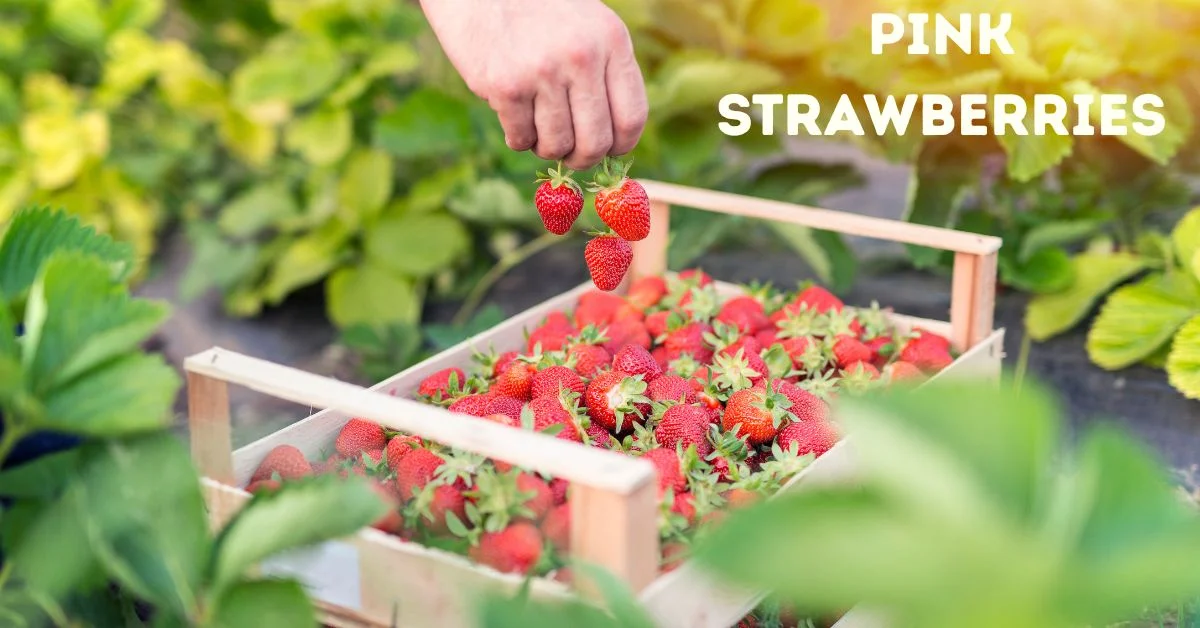
If you have seen strawberries with a soft pink color and wondered whether they are just unripe or something completely different, you are not alone. Many people confuse pink strawberries with unripe red ones, or mix them up with white strawberries or pineberries. They are actually a unique group of strawberry varieties with their own taste, look, and growing needs.
In this guide, you will learn exactly what pink strawberries are, which varieties are worth growing, how they taste, and how to grow them at home even if you are a complete beginner. You will also find out where to buy plants, what mistakes to avoid, and how to use them once you harvest them.
What Are Pink Strawberries?
Pink strawberries are real, naturally occurring strawberry varieties that stay pink even when fully ripe. They are not unripe red strawberries. Their color comes from reduced levels of a pigment called anthocyanin, which is responsible for the deep red color in regular strawberries. When this pigment is naturally lower, the fruit stays pink or light red at full ripeness.
Featured Snippet Answer:
Pink strawberries are fully ripe strawberries that naturally stay pink in color due to lower anthocyanin levels. They are not unripe or hybrid fruits. These varieties have their own distinct flavor, often sweeter and less tart than red strawberries, and are grown mainly as ornamental or specialty garden plants.
Why Some Strawberries Stay Pink
The pink color is a genetic trait. Some strawberry varieties simply do not produce as much red pigment as standard ones. This is not a defect. It is just how these plants are built. The fruit ripens fully and is perfectly edible, often with a surprisingly sweet flavor.
A gardener in the UK who switched to growing Tristan strawberries noted that neighbors kept asking if the fruits were ripe because they expected red. After tasting them, most changed their minds quickly.
Read also: Italy Traditional Breakfast: What Locals Actually Eat
Key Visual Features
Pink strawberries are usually slightly smaller than typical red strawberries. Their skin is a soft blush to medium pink. Many varieties also produce pink or rose-colored flowers, which makes them attractive as ornamental plants. The flesh inside is often pale pink or cream-colored, lighter than red varieties.
Popular Pink Strawberry Varieties
Not all pink strawberries are the same. There are several named varieties, each with slightly different traits.
Berried Treasure Pink
This is one of the most popular varieties for home growers. It was bred specifically as an ornamental strawberry that also produces edible fruit. The plant grows in a compact mound, making it perfect for containers and hanging baskets. The berries are small but sweet, and the flowers are a pretty rose-pink color. It is widely available online and in garden centers.
Tristan Strawberry
Tristan is a everbearing variety, meaning it produces fruit across a long season rather than just in one flush. The berries are firm and have a rich, sweet strawberry flavor. The plant also produces attractive pink flowers that look great in borders and patio pots. Many growers choose Tristan for both its fruit and its visual appeal.
Toscana Strawberry
Toscana is a day-neutral variety bred in Europe that has become popular worldwide. It produces medium-sized pink berries with an intense, sweet flavor. Many growers describe the taste as more aromatic than standard red strawberries. Toscana also has a long fruiting season and performs well in containers, which makes it a top choice for balcony and patio gardeners.
Other Pink-Flowering Types
Some strawberry plants are classified as pink mainly because of their flower color rather than their fruit. Varieties like Pink Panda are grown primarily as ground cover with edible but smaller fruit. It is worth knowing this difference before buying so you get what you actually want.
What Do Pink Strawberries Taste Like?
This is the question most people ask before committing to growing them.
Flavor Profile Compared to Red Strawberries
Pink strawberries are generally sweeter and less tart than standard red varieties. Red strawberries have a sharp, tangy note that balances their sweetness. Pink varieties tend to taste milder and more purely sweet. Some people describe the flavor as almost candy-like, especially in varieties like Toscana.
Sweetness and Texture
The texture of pink strawberries is similar to red ones but can feel slightly softer. They are juicy but not overly watery. Because they tend to have higher sugar content relative to acidity, they taste very pleasant fresh off the plant. They are not as firm as commercially grown red strawberries, so they are best eaten soon after picking.
Pink vs Red vs White Strawberries: Key Differences
Many buyers confuse pink strawberries with white strawberries or pineberries. Here is a clear comparison.
Featured Snippet Answer:
Pink strawberries stay pink when ripe and taste sweet with low tartness. Red strawberries are the most common type with a classic sweet-tart flavor. White strawberries, like pineberries, are almost fully white with red seeds and have a pineapple-like taste. Each is a distinct variety, not a different ripeness stage.
| Feature | Pink Strawberries | Red Strawberries | White Strawberries |
| Color when ripe | Pink to blush | Deep red | Cream to white |
| Flavor | Sweet, mild | Sweet and tart | Fruity, pineapple notes |
| Size | Small to medium | Medium to large | Small to medium |
| Availability | Specialty/rare | Widely available | Rare |
| Best use | Fresh, ornamental | Fresh, cooking | Fresh only |
Which Type Should You Grow?
If you want the best yields and easiest care, red strawberries win. If you want something beautiful, sweet, and a little different for your garden or patio, pink strawberries are excellent choices. White strawberries like pineberries are the rarest and most difficult to find.
How to Grow Pink Strawberries at Home
Good news for beginners: most pink strawberry varieties are not significantly harder to grow than regular red ones.
Best Climate and Conditions
Pink strawberries grow well in USDA hardiness zones 4 to 9. They prefer a temperate climate with warm summers and cool winters. Most varieties are tolerant of light frost once established. In very hot climates, they benefit from afternoon shade to protect the flowers and fruit.
Soil and Sunlight Requirements
These plants need at least six hours of direct sunlight per day. Full sun gives you the best fruit production. The soil should be well-draining, slightly acidic with a pH between 5.5 and 6.5, and rich in organic matter. Adding compost before planting helps a lot. Avoid heavy clay soils as they hold too much moisture and can cause root rot.
Growing in Pots vs Garden Beds
Pink strawberry varieties like Berried Treasure and Toscana are especially well suited to containers. A pot that is at least 30 cm wide and has drainage holes works well for two to three plants. Container growing lets you control soil quality easily and move plants if needed. In garden beds, space plants 30 to 40 cm apart to allow good airflow.
A home gardener in a small London flat grew three Toscana plants in a window box and harvested enough berries for regular snacking throughout the summer. Containers really do work.
Step-by-Step Planting Guide
- Choose a container or garden spot with good sunlight.
- Fill with a mix of quality potting soil and compost.
- Plant the strawberry so the crown (where the leaves meet the roots) sits at soil level, not buried.
- Water well after planting.
- Mulch around the base to keep moisture in and weeds out.
- Wait for flowers and then fruit. Most plants fruit within 60 to 90 days of planting.
Care and Maintenance
Watering and Fertilizing
Water consistently but do not let roots sit in soggy soil. About 2.5 cm of water per week is a good target. During fruiting, water needs increase slightly. Feed plants with a balanced fertilizer every two weeks during the growing season. Once flowers appear, switch to a fertilizer lower in nitrogen to encourage fruit rather than leaves.
Pollination Tips
Most pink strawberry varieties are self-fertile, meaning one plant can produce fruit on its own. However, having more than one plant nearby increases yields. In a garden setting, bees and other insects handle pollination naturally. For indoor or balcony plants, gently brush the center of each flower with a soft paintbrush or cotton swab to transfer pollen manually. This small step makes a noticeable difference in how much fruit you get.
Pest and Disease Control
Common pests include slugs, aphids, and spider mites. Check plants regularly and remove pests by hand or with a diluted neem oil spray. Grey mold (botrytis) is the most common disease, especially in wet weather. Good airflow between plants and avoiding wetting the leaves when watering helps prevent it.
Common Growing Mistakes to Avoid
Overwatering
This is the number one mistake beginners make. Overwatered strawberries develop yellow leaves, root rot, and poor fruit set. Always check soil moisture before watering. The top couple of centimeters of soil should feel dry before you water again.
Planting in Shade
Strawberries need sun. A plant placed in full shade will produce lush green leaves and very little fruit. If your chosen spot gets less than five hours of sunlight, consider a different location or grow under a grow light indoors.
Neglecting Pollination
Many first-time growers are confused when their plant flowers but produces no fruit. The most likely cause is pollination failure. For outdoor plants, attract pollinators by planting nearby flowers like lavender or marigolds. For indoor plants, manual pollination is essential.
When and How to Harvest Pink Strawberries
Signs of Ripeness
The tricky part with pink strawberries is knowing when they are ready because you cannot rely on the fruit turning red. Signs of ripeness include a consistent all-over pink color with no white or green patches, a slightly soft feel when gently pressed, and a sweet strawberry scent. The berries will also detach easily from the plant when they are ready.
Harvesting Tips
Pick berries in the morning when they are cool and firm. Use scissors or pinch the stem just above the fruit rather than pulling. Handle them gently as they bruise easily. Eat or refrigerate within two days for the best flavor and texture.
Where to Buy Pink Strawberry Plants
Online Stores vs Local Nurseries
Online retailers like Amazon, Etsy, and specialist plant nurseries carry varieties like Toscana, Tristan, and Berried Treasure. Online is often the better route because local garden centers may not stock these specialty varieties. When ordering online, check seller reviews and confirm the plants will be shipped at the right time for your climate.
Price and Availability
Pink strawberry plants typically cost between 5 and 15 dollars per plant depending on the variety and seller. They are more expensive than standard red strawberry plants but not wildly so. Seeds are sometimes available and are cheaper, but growing from plugs or runners is faster and more reliable. Availability peaks in spring, so order early in the season.
How to Use Pink Strawberries
Fresh Eating
The simplest way to enjoy pink strawberries is fresh, straight from the plant. Their sweetness makes them excellent on their own, with yogurt, or sliced over cereal or oatmeal.
Desserts and Decoration
Pink strawberries look stunning on cakes, tarts, and dessert platters because of their unusual color. Bakers use them as garnish on cream cakes and cheesecakes where the soft blush color stands out beautifully. They also work well in fruit salads where their color adds visual interest.
Garden Aesthetic Uses
Because many pink strawberry varieties also have pink flowers, they are often used as ornamental edible plants in borders, window boxes, and hanging baskets. They offer a combination of beauty and practicality that few other plants match.
Conclusion
Pink strawberries are a real and rewarding option for home gardeners who want something a little different. They are not difficult to grow, they look beautiful in pots and borders, and the fruit is genuinely delicious. Whether you choose Toscana for its intense flavor, Tristan for its long season, or Berried Treasure for its compact size, you are getting a plant that earns its place in any garden. Start with a couple of plants in a sunny spot or a container, follow the basic care steps, and you will have fresh pink strawberries to enjoy within a season.
FAQs
Are pink strawberries natural or man-made?
Pink strawberries are natural. They exist because some strawberry plants naturally produce less red pigment than others. Breeders have selected and cultivated these plants over time, but they are not genetically modified or artificial in any way.
Are pink strawberries the same as pineberries?
No. Pineberries are white strawberries with red seeds and a fruity, pineapple-like flavor. Pink strawberries are fully pink and taste like a sweeter version of a regular strawberry. They are different varieties with different flavors.
Can complete beginners grow pink strawberries?
Yes. Most pink strawberry varieties are beginner-friendly, especially when grown in containers. The key requirements are good sunlight, well-draining soil, and consistent watering. Varieties like Berried Treasure are specifically bred for easy home growing.
Do pink strawberries produce as many berries as red ones?
Generally, red strawberry varieties bred for commercial production will out-yield pink ones. However, everbearing types like Tristan and day-neutral types like Toscana produce a steady supply throughout the growing season, which many home growers prefer over one large harvest.
How long does it take for pink strawberry plants to fruit?
Most plants will begin producing fruit within 60 to 90 days of planting if conditions are good. Young plants in their first year sometimes produce fewer berries as they establish roots. Second-year plants typically fruit more heavily.
-

 Food3 weeks ago
Cuts of Steak: Complete Guide to Beef Cuts
-

 Food3 weeks ago
What Is Andouille Sausage? Complete Guide
-

 Drinks3 weeks ago
Easy Lychee Martini Recipe Sweet & Floral Cocktail
-

 Food3 weeks ago
Black Pudding Guide: History, Recipe & Nutrition
-

 Food3 weeks ago
Shirleys Coffee Shop Guam Locations Menu and Guide
-

 Food3 weeks ago
Ultimate Tripas Recipe and Cooking Guide
-

 Food2 weeks ago
Italian Ice Flavoring Guide: Flavors, Bases, and Recipes
-

 Blog2 weeks ago
Saltwater Kitchen & Sushi: Menu, Reviews, and Visitor Guide