
Food
Groundnut in Shell: Nutrition, Storage and Uses Guide

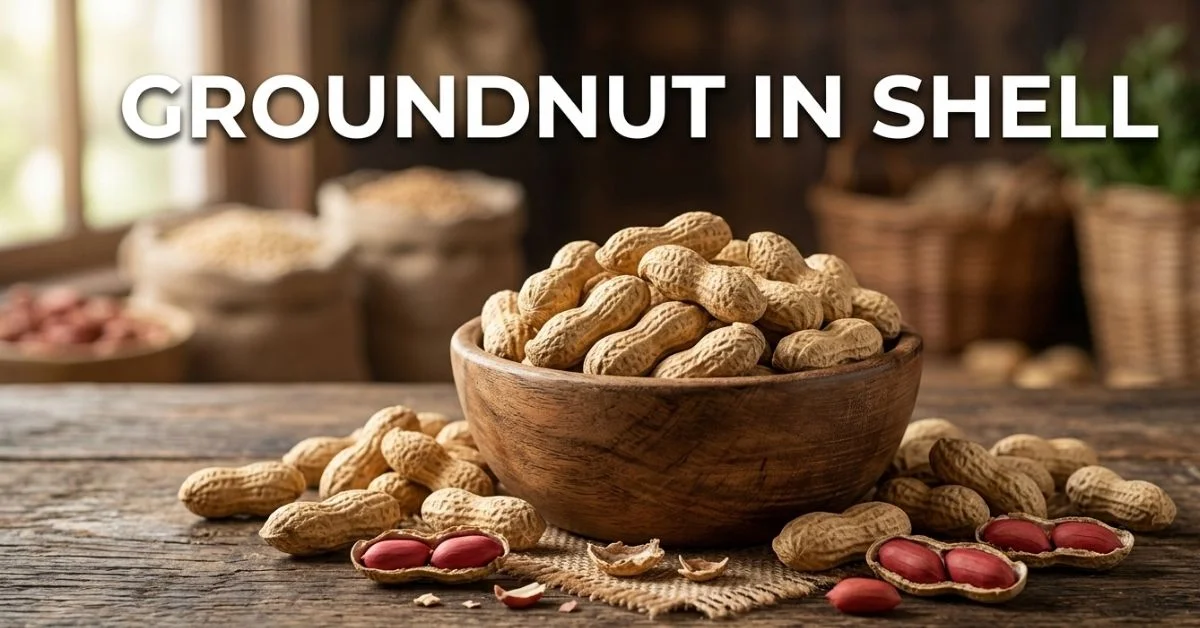
Groundnut in shell refers to whole peanuts that still have their natural outer hull intact. The shell protects the kernel from moisture, oxidation, and damage, which is why many people prefer buying peanuts this way. Scientifically known as Arachis hypogaea, groundnuts are widely eaten as snacks, used for oil production, and traded as agricultural commodities around the world. When people search for groundnut in shell, they usually want to understand its nutrition, health benefits, storage life, and the difference between in-shell and shelled peanuts.
From street vendors selling roasted peanuts outside sports stadiums to exporters shipping high-grade nuts across continents, in-shell groundnuts play an important role in both food culture and global trade. This guide explains everything you need to know, from nutrition and health effects to storage, roasting, and business uses.
What Is Groundnut in Shell?
Groundnut vs peanut same crop, different names
Groundnut and peanut refer to the same crop, scientifically known as Arachis hypogaea. In many countries such as India, Nigeria, and parts of Africa, the term groundnut is more common, while peanut is widely used in the United States. Regardless of the name, both refer to the edible legume that grows underground.
When the peanut is sold with its natural outer hull intact, it is called groundnut in shell or in-shell peanuts. This form is common in raw agricultural markets, export trade, and home roasting because the shell protects the kernel from damage and spoilage.
Read also: Meatloaf Mix Explained: What It Is and How to Use It
Parts of the nut: shell, skin, kernel
An in-shell peanut consists of three main parts. The outer groundnut shell or hull is a fibrous protective layer. Inside the shell are the edible kernels, which are covered by a thin red skin known as the groundnut skin or testa.
The kernel is the edible portion that contains most of the protein, fats, vitamins, and minerals. The skin also contains valuable antioxidants such as polyphenols and flavonoids. Even the shell has practical uses in agriculture and biomass fuel.
Common varieties and grades
Groundnuts are graded based on size, quality, and kernel characteristics. Export markets often refer to HPSG, which stands for Hand Picked Selected Groundnuts. These premium nuts are carefully sorted to remove damaged or moldy kernels. HPSG grades are commonly exported for snack processing, roasting, and international retail packaging.
Nutrition Facts of Groundnut
Groundnuts are often described as nutrient dense foods because they provide a combination of protein, healthy fats, vitamins, and minerals. According to dietary guidelines supported by organizations such as the World Health Organization and Food and Agriculture Organization, nuts can be part of a balanced diet when eaten in moderation.
Calories, protein, healthy fats, and fiber
A typical 100 gram serving of shelled peanuts contains around 560 calories. About 25 to 26 grams come from protein, making groundnuts one of the most protein-rich plant foods. They also contain about 49 grams of fat, most of which are healthy unsaturated fatty acids including monounsaturated and polyunsaturated fats.
Fiber is another important component. A serving provides roughly 8 to 9 grams of dietary fiber, which supports digestion and helps regulate appetite.
Vitamins and minerals
Groundnuts contain several essential micronutrients that support metabolism and overall health. These include vitamin E and a range of B vitamins such as niacin and folate. They also provide minerals like magnesium, phosphorus, iron, manganese, copper, zinc, and potassium.
Magnesium and phosphorus support bone health and energy metabolism. Iron and copper play roles in red blood cell formation. Zinc and manganese help support immune function and enzyme activity.
Antioxidants in skins and shells
The thin red skin around the peanut kernel contains several antioxidant compounds. These include polyphenols and phenolic acids such as p-coumaric acid. Research also shows that peanuts contain flavonoids such as genistein and biochanin.
One compound that often attracts attention is resveratrol, the same antioxidant found in grapes and red wine. Although the amounts in peanuts are modest, these compounds contribute to the antioxidant activity associated with peanuts.
Health Benefits and Risks
Heart health and cholesterol
Groundnuts contain a high proportion of unsaturated fatty acids, particularly monounsaturated fats. These fats are similar to those found in olive oil and are associated with improved cholesterol balance when consumed as part of a healthy diet.
Regular nut consumption has been linked with lower risk of heart disease in several nutritional studies. The combination of healthy fats, fiber, magnesium, and phytosterols helps support cardiovascular health.
Blood sugar and metabolic health
Because groundnuts contain protein, fiber, and fat, they are digested slowly and have a relatively low glycemic impact. This means they do not cause sharp spikes in blood sugar levels. For this reason, moderate peanut consumption may help support people managing metabolic syndrome or type 2 diabetes.
Peanuts can also support weight management. Even though they are calorie dense, their combination of protein and fiber can increase satiety, which may help reduce overeating.
Allergies and portion control
Despite their benefits, peanuts are one of the most common food allergens. People with peanut allergies should completely avoid them because reactions can be severe. Symptoms may include itching, swelling, breathing difficulty, or digestive problems.
Another consideration is portion size. Because peanuts are high in calories, eating large amounts regularly can contribute to excess calorie intake.
In-Shell vs Shelled Groundnuts

Yield conversion and real price
Many people assume that buying groundnut in shell is cheaper than buying shelled peanuts. In reality, the shell adds weight that is not edible. A common industry estimate is that about 1.5 kilograms of in-shell peanuts produce roughly 1 kilogram of kernels.
For home buyers or small businesses, this yield conversion helps determine the true cost of peanuts when comparing in-shell and shelled options.
Convenience vs freshness
Shelled peanuts are convenient because they are ready to eat or cook. However, removing the shell exposes the kernel to oxygen and moisture, which can accelerate oxidation and rancidity.
In-shell peanuts tend to stay fresh longer because the shell acts as a natural protective barrier. This is why many snack companies and traditional markets prefer selling peanuts in shell for roasting.
Best choice for different uses
For home roasting or boiling, groundnut in shell is usually the best choice. The shell protects the kernel during heating and helps preserve flavor. For cooking, peanut butter production, or quick snacks, shelled peanuts are often more convenient.
Small roasting businesses often buy in-shell peanuts because they can control the roasting process and maintain freshness.
How to Select and Buy Quality Groundnut in Shell
When buying raw groundnut in shell, visual inspection is the first step. The shells should be clean, intact, and free from cracks or holes. Large uniform shells usually indicate well-developed kernels.
Smell is another important indicator. Fresh peanuts have a mild, nutty aroma. If they smell sour, musty, or moldy, they may already be spoiled.
Touch can also reveal quality. Fresh shells feel firm and dry. If they feel damp or unusually light, the kernels inside may be damaged or shriveled.
Origin can matter as well. Major producers include China, India, Nigeria, the United States, Sudan, and Brazil. Some buyers prefer specific varieties from these regions due to taste, oil content, or kernel size.
Storage and Shelf Life of Groundnut in Shell
Proper storage plays a critical role in keeping peanuts safe and fresh. Because peanuts contain natural oils, they can become rancid if exposed to heat, light, and air.
The best storage conditions are cool, dry, and dark environments. Many households store in-shell peanuts in breathable bags or sealed containers to protect them from humidity and pests.
At room temperature, in-shell peanuts can last around three months if stored in a dry pantry. Refrigeration can extend shelf life to six months or longer. Freezing can preserve peanuts for a year or more without significant loss of flavor.
Food safety is also important. Poor storage conditions can encourage mold growth that produces aflatoxin, a toxin produced by certain fungi. Buying high-quality peanuts and keeping them dry significantly reduces this risk.
How to Roast and Boil Groundnut in Shell at Home
Roasting peanuts at home is simple and brings out their natural flavor. Before roasting, rinse the shells briefly to remove dust and allow them to dry.
For oven roasting, spread the peanuts in a single layer on a baking tray. Roast them at about 180°C for around 20 minutes, shaking the tray occasionally so they roast evenly. The shells will become slightly darker and fragrant.
Pan roasting is another traditional method. Heat a thick pan on medium heat and stir the peanuts continuously for about 15 minutes. This method is common among street vendors because it produces a smoky flavor.
Boiled groundnut is popular in many regions, especially in parts of Africa, Asia, and the southern United States. To prepare boiled peanuts, soak raw peanuts in salted water for several hours, then simmer them for two to three hours until the kernels become soft and savory.
Everyday Culinary Uses of Groundnut in Shell
In-shell peanuts are widely enjoyed as snacks. Roasted peanuts served warm are common at sports events, roadside stalls, and markets around the world. Cracking open each shell also slows down eating, which naturally encourages portion control.
Once shelled, the kernels can be used in many recipes. They can be ground into peanut butter, blended into sauces, or added to desserts and savory dishes. In many Asian and African cuisines, peanuts appear in chutneys, curries, and stews.
Even the process of shelling peanuts is part of the social experience. In many cultures, families sit together shelling peanuts while talking or watching sports, making them both a food and a shared activity.
Industrial, Agricultural, and Business Uses
Groundnuts are not only food crops but also important industrial raw materials. The kernels are commonly processed into Peanut oil, which is widely used for cooking because of its high smoke point and mild flavor.
After oil extraction, the remaining peanut meal becomes a protein rich ingredient for livestock feed. Farmers often use it in cattle, poultry, and fish feed formulations.
The shells also have practical uses. Groundnut shells can be used as biomass fuel, compost material, or soil conditioner. Some agricultural systems even use them as livestock bedding or organic manure.
For entrepreneurs, groundnut in shell offers several small business opportunities. Roasting units, snack packaging businesses, and export trading are common examples.
Global Production and Trade of Groundnut in Shell
Groundnuts are grown in many tropical and subtropical regions. The largest producers include China and India, followed by countries such as Nigeria, Sudan, and Brazil.
These countries supply both domestic markets and international trade. Some peanuts are exported in shell for roasting industries, while others are processed into peanut butter, oil, and snack products.
Global demand continues to grow due to the popularity of nuts as healthy snacks and plant protein sources.
Conclusion
Groundnut in shell is more than just a traditional snack. It is a nutrient dense food that provides protein, healthy fats, fiber, and important vitamins and minerals. The natural shell protects the kernels, which helps extend shelf life and maintain freshness compared to shelled peanuts.
Understanding how to select, store, and prepare in-shell peanuts makes a big difference in flavor and safety. Proper storage prevents problems like rancidity or mold, while roasting or boiling brings out their natural taste.
Beyond household consumption, groundnuts also play a role in global agriculture and food industries. They are used for oil production, livestock feed, and a variety of snack products. Whether you enjoy them roasted at home or use them in recipes, groundnut in shell remains a versatile and valuable food.
FAQs
Is groundnut in shell healthier than shelled peanuts?
Nutritionally they are the same once the shell is removed. However, the shell protects the kernel and helps maintain freshness during storage.
How long can groundnut in shell last?
At room temperature they can last about three months in a dry pantry. Refrigeration can extend shelf life to around six months or more.
How do I know if groundnut in shell has gone bad?
Spoiled peanuts often smell musty or sour. The shells may appear moldy, and the kernels can taste bitter or rancid.
Can I roast groundnut in shell at home?
Yes. Spread them on a baking tray and roast at around 180°C for about 20 minutes, stirring occasionally for even roasting.
Are peanut shells edible?
Peanut shells are technically safe but very fibrous and hard to digest. Most people discard them or use them for compost or biomass.
How much groundnut can I eat per day?
A small handful, around 28 to 30 grams of kernels, is generally considered a moderate daily portion for most healthy adults.
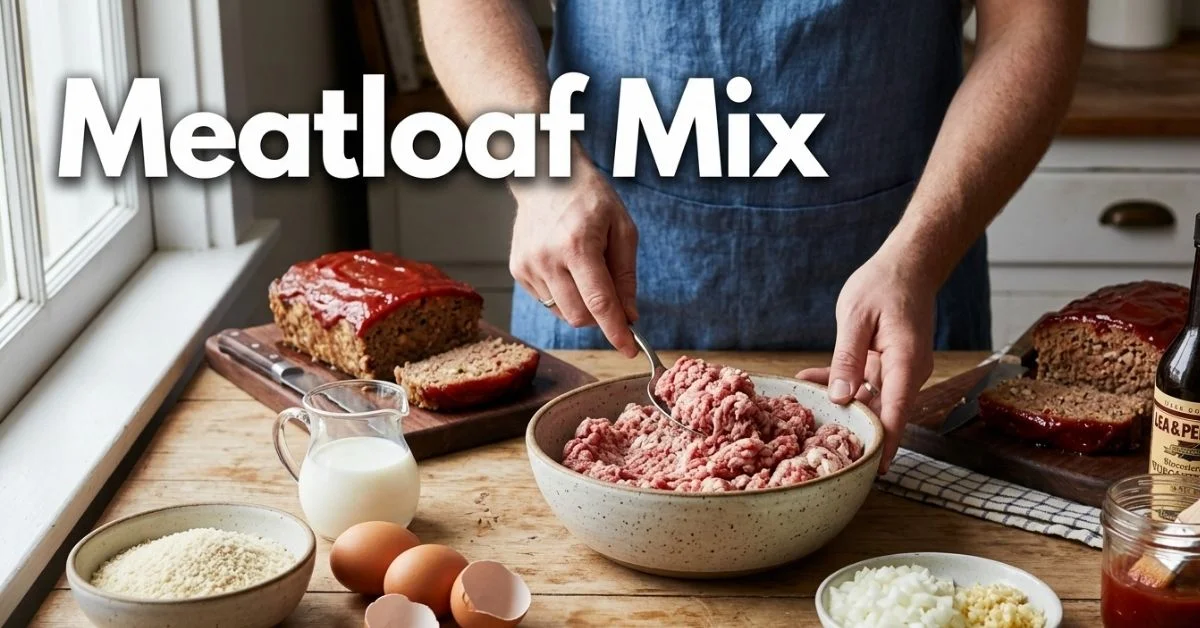
If you have ever browsed the meat department and seen a package labeled meatloaf mix, you may have wondered what exactly it contains and why cooks use it. Meatloaf mix is a blend of ground meats designed to create a more flavorful and tender meatloaf than using a single type of meat alone. Traditionally it combines ground beef, ground pork, and ground veal, though variations exist depending on what is available or preferred.
Home cooks and professional chefs alike rely on this blend because the balance of fat, flavor, and texture works beautifully in comfort food dishes. Beyond classic meatloaf, the same mixture can be used for meatballs, stuffed peppers, chili, casseroles, and other hearty meals. Understanding how meatloaf mix works makes it easier to cook juicy meatloaf, adjust recipes when ingredients are missing, and even create your own blend at home.
What Is Meatloaf Mix?
At its core, meatloaf mix is simply a combination of different ground meats that work together to improve both taste and texture. The most common version includes ground beef, ground pork, and ground veal. Each contributes something important to the final dish.
Ground beef provides the rich, savory flavor people expect from classic American meatloaf. Pork adds additional fat and sweetness, which helps keep the loaf moist during cooking. Veal brings tenderness and a lighter texture that prevents the mixture from becoming dense. When these three meats are blended together, they create a balanced base that cooks evenly and stays juicy.
This blend also differs from using only ground beef. Beef alone can produce a good meatloaf, but it often turns out firmer and slightly drier, especially if the meat is very lean. The additional fat from pork and the delicate structure of veal soften the mixture and give the finished loaf a smoother texture.
In most grocery stores you can find prepackaged meatloaf mix near the other ground meats in the meat department. Many butcher counters also prepare their own fresh blend daily. The exact ratios can vary slightly, but the goal is always the same: a well-balanced mixture that cooks into a flavorful and tender loaf.
Read also: Saltwater Kitchen & Sushi: Menu, Reviews, and Visitor Guide
The Ideal Meatloaf Mix Ratio
The classic ratio used by many butchers and traditional recipes is 1:1:1, meaning equal parts beef, pork, and veal. This balance works well because it keeps the fat content moderate while still delivering strong flavor.
Fat content matters more than many people realize when making meatloaf. Ground beef commonly ranges from about 80 percent lean to 90 percent lean. When the beef is too lean, the final loaf can become dry. Pork helps solve this problem because it naturally contains more fat, which keeps the mixture moist during baking.
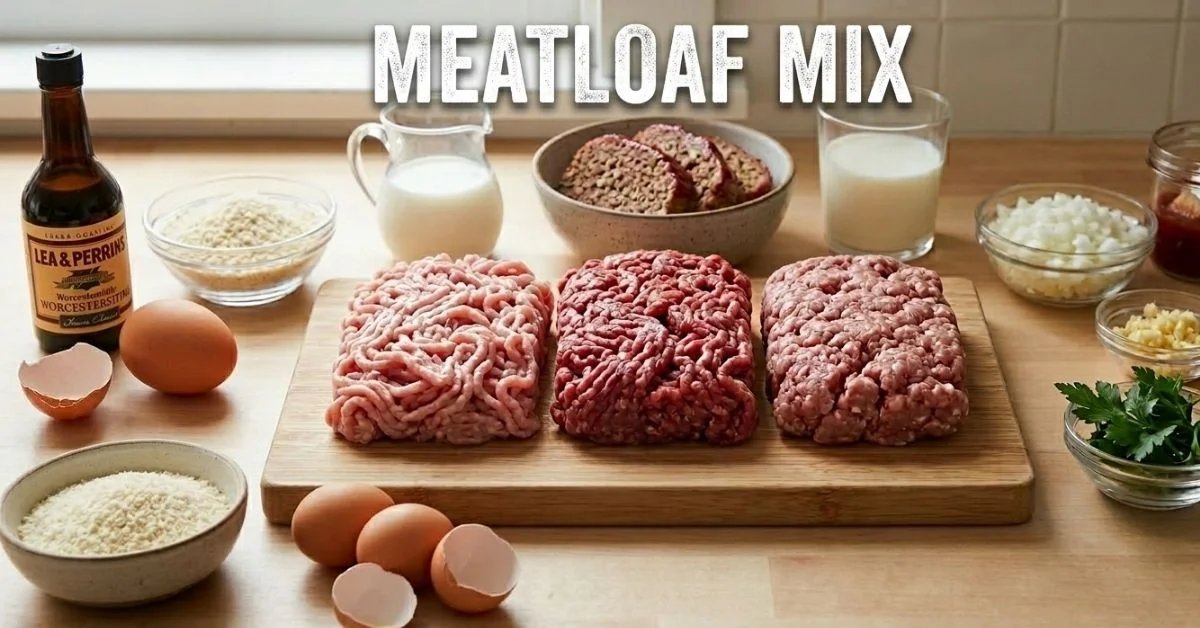
Some cooks adjust the ratio depending on taste preferences. A blend with slightly more beef gives a stronger meaty flavor. Increasing pork produces a richer, softer texture. If veal is difficult to find or expensive, many home cooks simply use a beef and pork combination in roughly equal amounts.
Another modern option is replacing veal with ground turkey or ground chicken. These lighter meats reduce overall fat content while still adding tenderness. When using poultry, it helps to increase moisture with ingredients like milk or extra aromatics so the meatloaf stays juicy.
Key Ingredients That Make Meatloaf Mix Shine
While the meat blend provides the foundation, the supporting ingredients determine whether the final meatloaf is tender, flavorful, and cohesive. The most important elements are binders, aromatics, and flavor boosters.
Binders hold the mixture together so it slices cleanly after cooking. Breadcrumbs or panko, eggs, and milk are the classic trio used in many meatloaf recipes. Breadcrumbs absorb moisture and prevent the meat from becoming dense. Eggs provide structure by binding the mixture during cooking. Milk softens the crumbs and adds tenderness.
Aromatics bring depth of flavor. Finely chopped onions and bell peppers are common additions because they release moisture and sweetness as they cook. Garlic, parsley, and herbs like Italian seasoning are also widely used to build layers of flavor in the mixture.
Flavor boosters add the final touch. A splash of Worcestershire sauce deepens the savory notes and enhances the meat’s natural richness. Many traditional meatloaf recipes also include a glaze on top, often made from ketchup with brown sugar or sometimes barbecue sauce. As the loaf bakes, the glaze caramelizes and creates a slightly sweet, tangy crust that contrasts nicely with the savory interior.
How to Make Your Own Meatloaf Mix
Creating your own meatloaf mix at home is simple and often gives better control over quality and fat content. The process starts at the grocery store or butcher shop when selecting the meats.
Choose ground beef with moderate fat content, usually around 80 to 85 percent lean. Pair it with ground pork that has enough fat to keep the mixture moist. If available, add ground veal for tenderness. Combine the meats in equal proportions if you want the traditional blend.
When mixing, use a large bowl and your hands or a spoon to gently combine the meats. The key is to mix just enough so the meats are evenly distributed. Over mixing compresses the proteins and can make the final loaf tough.
If you plan to cook meatloaf immediately, you can mix the meats directly with the binders and seasonings. For batch cooking, some cooks prepare a larger quantity of the basic meat blend and store portions in the refrigerator or freezer. Later in the week, the same base mixture can become meatballs one night and stuffed peppers the next.
Classic Meatloaf Recipe Using Meatloaf Mix
A traditional meatloaf recipe highlights the strengths of the meat blend while keeping the preparation simple. A typical loaf uses about two to three pounds of meatloaf mix, enough to feed a family and still provide leftovers.
Start by combining the meatloaf mix with breadcrumbs, eggs, milk, finely chopped onion, garlic, salt, pepper, and Worcestershire sauce. Mix gently until the ingredients are evenly distributed. Shape the mixture into a loaf.
Some cooks prefer a loaf pan because it keeps the shape tidy and traps moisture. Others shape the loaf free form on a baking sheet so excess fat can drain away during cooking. Both methods work, and the choice often comes down to personal preference.
Bake the meatloaf in an oven set around 350°F. During the last portion of cooking, spread a glaze made from ketchup and a little brown sugar over the top. The loaf is done when the internal temperature reaches 155 to 160°F, which is considered safe for mixed ground meats. After removing it from the oven, let the meatloaf rest for several minutes so the juices redistribute before slicing.
Flavor Variations and Creative Twists
Once you understand the basic structure of meatloaf mix, it becomes easy to experiment with different flavor styles. Many classic variations simply change the seasoning profile.
An Italian style meatloaf might include parmesan cheese, basil, oregano, and tomato sauce instead of ketchup glaze. The result tastes similar to a giant baked meatball and pairs well with pasta or roasted vegetables.
A taco style meatloaf uses taco seasoning, salsa, and sometimes shredded cheese in the mixture. This version often appears on family dinner tables because it brings the familiar flavors of taco night into a single comforting dish.
Barbecue inspired versions swap the ketchup topping for barbecue sauce. Others lean toward traditional comfort food with brown gravy served alongside the sliced loaf. These variations show how flexible the meat blend can be when combined with different spices and sauces.
Other Easy Recipes Using Meatloaf Mix
Despite the name, meatloaf mix is useful far beyond the loaf itself. The balanced fat and flavor make it ideal for many everyday recipes.
One popular option is stuffed peppers. The meat mixture is combined with rice, herbs, and tomato sauce, then packed into bell peppers and baked until tender. The juices from the peppers help keep the filling moist while adding sweetness.
Another classic is porcupine meatballs, a retro comfort food where meatballs mixed with rice cook in tomato sauce. As the rice expands, it sticks out slightly from the meatballs, giving them their distinctive appearance.
Mini meat loaves and meatballs are also excellent uses for the blend. They cook faster than a full loaf and freeze well, making them perfect for meal preparation. The same mixture can also be browned and added to chili or meat sauces, providing a deeper flavor than using a single ground meat.
Busy home cooks often rely on this versatility. A single batch of meatloaf mix prepared early in the week can become several different meals without repeating the same dish.
Substitutions When You Cannot Find Meatloaf Mix
Not every grocery store sells preblended meatloaf mix, but that does not mean you have to abandon your recipe. Substitutions are easy once you understand how the blend works.
Using only ground beef is the simplest option. When doing this, choose beef that is not extremely lean and increase moisture with milk, onions, or grated vegetables. This helps compensate for the missing fat from pork.
A beef and pork blend is another common substitute and works surprisingly well. Many home cooks prefer this combination because it delivers strong flavor without requiring veal.
For a lighter version, substitute some or all of the meat with ground turkey or ground chicken. Poultry tends to be leaner, so adding extra breadcrumbs, milk, or vegetables can keep the mixture from drying out. With the right balance, even a healthier mix can produce a tender and satisfying meatloaf.
Troubleshooting Common Meatloaf Mix Problems
Even experienced cooks occasionally run into problems with meatloaf. Most issues trace back to moisture balance, mixing technique, or cooking time.
Dry meatloaf usually results from overly lean meat or too few moisture ingredients. Increasing milk, onions, or a slightly fattier meat blend often solves the issue. Overcooking can also cause dryness, which is why monitoring internal temperature matters.
Greasy meatloaf tends to occur when the mixture contains too much fat or when it cooks in a pan that traps grease. Baking the loaf on a rack or shaping it free form allows some fat to drain away.
A loaf that falls apart when sliced often lacks sufficient binder. Adding an extra egg or a bit more breadcrumbs helps hold the structure together. Allowing the loaf to rest for several minutes before slicing also improves firmness and prevents crumbling.
Storage, Leftovers, and Freezer Tips
Cooked meatloaf stores well, which is one reason it remains a staple in many households. After cooling, leftovers can be refrigerated for about three to four days in a sealed container.
Freezing works for both raw and cooked versions. Raw meatloaf mix can be shaped into loaves or meatballs and frozen for later use. Cooked slices also freeze well and can be reheated gently in the oven or microwave.
When reheating, adding a small amount of sauce or broth helps prevent the meat from drying out. Many cooks find that leftover meatloaf actually tastes even better the next day because the flavors have had time to settle.
Conclusion
Meatloaf mix may look simple, but it plays an important role in creating flavorful and tender comfort food. The traditional blend of ground beef, pork, and veal balances richness, moisture, and texture in a way that single meats often cannot match. Once you understand the typical ratios and supporting ingredients like breadcrumbs, eggs, milk, and aromatics, preparing a classic meatloaf becomes straightforward.
The real advantage of this mixture is versatility. It works just as well in stuffed peppers, meatballs, chili, and other family dinners. Even when the exact blend is unavailable, simple substitutions with beef, pork, or turkey can deliver excellent results.
With a little practice and attention to fat balance, seasoning, and internal temperature, anyone can cook juicy meatloaf or transform the mix into a variety of satisfying meals. The questions below cover some of the most common details people ask when working with meatloaf mix.
FAQS
What exactly is in meatloaf mix?
Traditional meatloaf mix contains ground beef, ground pork, and ground veal combined in roughly equal amounts.
What is the best ratio for meatloaf mix?
A common ratio is 1:1:1 for beef, pork, and veal, though many cooks also use a simple beef and pork blend.
Is meatloaf mix better than ground beef alone?
Many people prefer it because the combination of meats creates better flavor and a more tender texture.
What internal temperature should meatloaf reach?
Meatloaf made with mixed ground meats should reach about 155 to 160°F before resting and slicing.
Can meatloaf mix be used for other recipes?
Yes. It works well in meatballs, stuffed peppers, chili, casseroles, and mini meat loaves.
Can you freeze meatloaf mix?
Yes. Both raw and cooked meatloaf mix can be frozen for later meals if stored in airtight packaging.

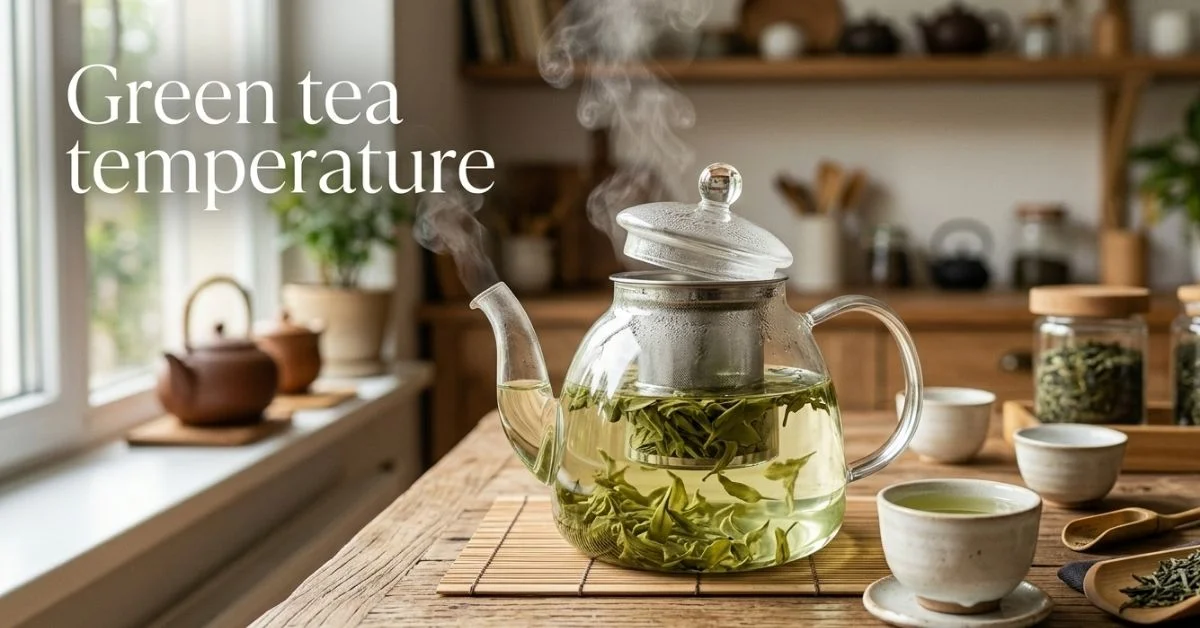
Green tea temperature plays a crucial role in how the tea tastes, smells, and feels when you drink it. Unlike black tea, green tea leaves are delicate and lightly processed. Because of this, the temperature of the water determines how quickly compounds such as catechins, amino acids, and caffeine are released from the leaves. When the water is too hot, these compounds extract very quickly and create a bitter, sharp flavor that many people dislike. When the temperature is balanced correctly, green tea becomes smooth, slightly sweet, and refreshing.
Another reason temperature matters is the structure of green tea leaves themselves. Many green teas contain tender young leaves that can easily become damaged by boiling water. High heat can cause tannins to release aggressively, which creates an astringent taste that feels dry on the tongue. A moderate temperature helps release pleasant flavors such as grassy, nutty, or slightly floral notes instead of overwhelming bitterness.
Brewing green tea at the right temperature also improves the overall drinking experience. The aroma becomes more complex, the color stays clear and bright, and the flavor remains balanced. Whether someone is preparing Japanese sencha or Chinese dragon well tea, temperature control is one of the most important steps for achieving a satisfying cup.
Read also: Toro Sashimi Guide: Cuts, Taste, and Preparation
Ideal Green Tea Temperature Range
Most green teas brew best between 70°C and 85°C, which equals roughly 160°F to 185°F. This temperature range allows beneficial compounds to dissolve into the water without pulling out too many bitter tannins. Staying within this range is the easiest way to ensure a smooth and enjoyable cup of tea every time.
Lower temperatures within this range tend to highlight sweetness and soft umami flavors. Higher temperatures can increase strength and caffeine extraction but also risk bitterness if the steeping time is too long. Because green teas vary in leaf size, growing conditions, and processing methods, the exact temperature may change slightly depending on the variety.
Here is a simple reference range many tea experts use when brewing green tea:
- 70–75°C for delicate Japanese green teas
• 75–80°C for most everyday green teas
• 80–85°C for stronger Chinese green teas
• Slightly cooler water for premium or shade grown teas
Using boiling water at 100°C is one of the most common mistakes people make when preparing green tea. Allowing the water to cool slightly before pouring over the leaves makes a significant difference in taste and smoothness.
Green Tea Temperature by Tea Type
Different green tea varieties respond differently to temperature because of their cultivation and processing methods. Japanese green teas are often steamed, which preserves delicate flavors that require lower brewing temperatures. Chinese green teas are typically pan roasted, which allows them to handle slightly hotter water.
Here are common temperature recommendations for popular green tea varieties:
- Sencha: 70–80°C
• Gyokuro: 50–60°C
• Dragon Well (Longjing): 75–80°C
• Jasmine Green Tea: 75–85°C
• Gunpowder Green Tea: 80–85°C
• Matcha: 75–80°C
Shade grown teas such as gyokuro contain high levels of amino acids that create a strong umami flavor. These teas require cooler water to maintain sweetness and avoid bitterness. Chinese roasted teas like dragon well can tolerate a slightly higher temperature because the roasting process stabilizes the leaves.
Understanding the characteristics of each tea helps adjust the temperature more precisely. With a little practice, people begin to recognize which temperatures produce the most pleasant flavor for their favorite tea.
What Happens If the Water Is Too Hot?
Using water that is too hot can quickly ruin the flavor of green tea. When boiling water hits the leaves, it forces tannins and polyphenols to extract too quickly. These compounds are responsible for bitterness and astringency, which can make the tea taste harsh or burnt.
The high heat can also damage delicate aromatic compounds responsible for floral and grassy aromas. Instead of a balanced flavor, the tea may taste flat, overly strong, or unpleasantly sharp. Even high quality tea leaves can taste poor when brewed with boiling water.
Some clear signs that the water temperature was too high include:
- Strong bitterness after the first sip
• Dry or rough sensation in the mouth
• Very dark yellow or brownish color
• Loss of natural aroma
Allowing water to cool for a minute or two after boiling is often enough to reach a suitable temperature. Many experienced tea drinkers simply wait before pouring, rather than using specialized equipment.
What Happens If the Water Is Too Cool?
Although overheating water is the most common problem, water that is too cool can also affect green tea. Low temperatures slow the extraction of flavor compounds, which may produce a weak or dull tasting cup. Instead of balanced sweetness and aroma, the tea may taste thin or watery.
Cool water prevents the leaves from fully opening and releasing their natural oils. This reduces the depth of flavor and aroma. While bitterness is less likely with cooler water, the tea may lack character and complexity.
Signs that water temperature was too low include:
- Pale color and weak aroma
• Mild or flat flavor
• Leaves that remain tightly curled
• Lack of lingering taste
Finding the right temperature allows the leaves to open gradually and release flavors in a balanced way. This is why experienced tea drinkers often adjust temperature depending on the tea variety and brewing method.
How Steeping Time Works with Temperature
Temperature and steeping time work together when brewing green tea. When water is hotter, tea compounds dissolve more quickly, so the steeping time should be shorter. When water is cooler, a slightly longer steep helps extract enough flavor from the leaves.
Balancing these two factors allows people to control taste and strength. Adjusting time instead of temperature can also help fix minor brewing mistakes.
Typical steeping guidelines include:
- 70°C water with 2–3 minute steep
• 75–80°C water with 1.5–2 minute steep
• 80–85°C water with 1–1.5 minute steep
These times apply mainly to loose leaf tea. Tea bags often brew faster because the leaves are smaller and release compounds quickly. Adjusting steeping time helps maintain flavor balance even if the temperature varies slightly.
How to Judge Green Tea Temperature Without a Thermometer
Not everyone has a temperature controlled kettle, but it is still easy to estimate the right water temperature. Traditional tea preparation methods often rely on visual cues and timing instead of precise measurements.
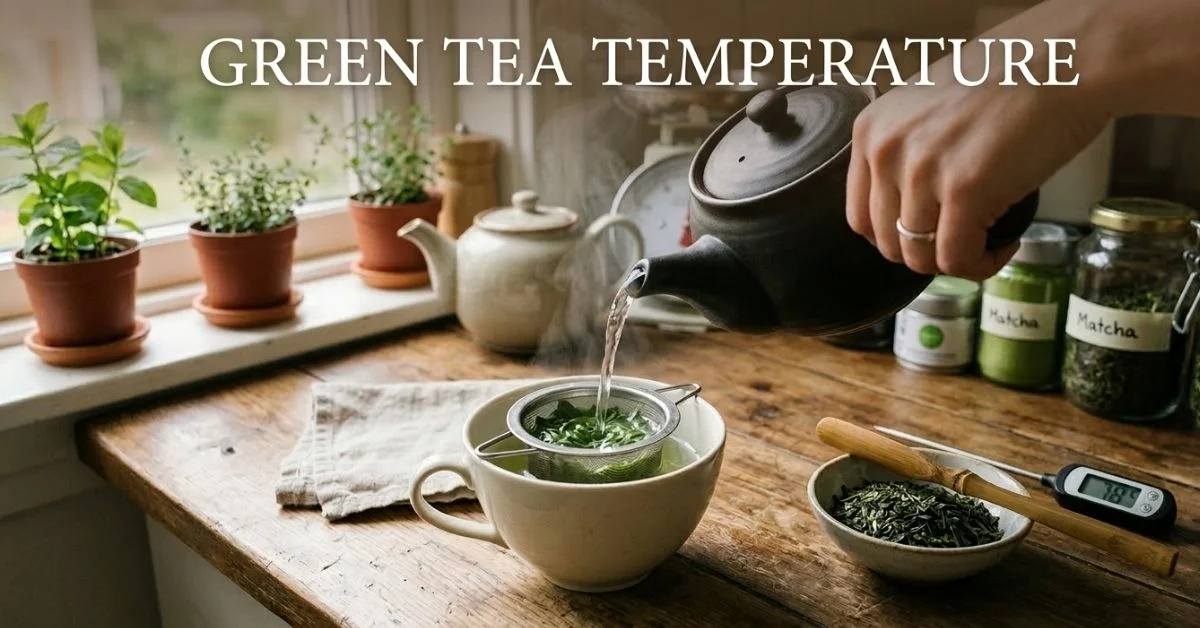
One simple method is to allow boiled water to cool naturally before pouring. Waiting for one or two minutes usually lowers the temperature enough for most green teas. The exact cooling time depends on the room temperature and the kettle size.
Another traditional technique involves observing bubbles forming in the water during heating. Smaller bubbles indicate lower temperatures, while large rolling bubbles signal boiling water.
Helpful temperature cues include:
- Tiny bubbles like fish eyes around 70°C
• Slightly larger bubbles around 80°C
• Rapid boiling bubbles near 100°C
Using these visual signs allows people to brew green tea accurately even without specialized equipment.
Loose Leaf vs Tea Bags at Different Temperatures
Loose leaf tea and tea bags behave differently when exposed to hot water. Loose leaf tea typically contains larger leaves that release flavor more gradually. Because of this, it works well with moderate temperatures and longer steeping times.
Tea bags often contain smaller leaf fragments called tea dust or fanning’s. These particles extract flavor quickly, which means they can become bitter faster if the water is too hot. Lower temperatures or shorter steeping times often work better when brewing tea bags.
Some differences between loose leaf and tea bags include:
- Loose leaf offers smoother flavor and better aroma
• Tea bags brew faster due to smaller leaf particles
• Loose leaves allow multiple infusions
• Tea bags are convenient but less complex in taste
Choosing loose leaf tea usually provides a better experience because the leaves can open fully and release their natural flavor slowly.
Cold Brew Green Tea and Temperature Differences
Cold brewing is another way to prepare green tea that completely avoids high temperatures. Instead of hot water, cold brewing uses room temperature or refrigerated water to slowly extract flavors from the leaves.
This method produces a smoother and sweeter drink because bitterness compounds dissolve less easily in cold water. Many people enjoy cold brew green tea during warm weather because it is refreshing and mild.
A simple cold brew process includes:
- Add 1 teaspoon loose green tea per cup of water
• Use cold filtered water
• Refrigerate for 6–8 hours
• Strain and serve chilled
Cold brewing highlights subtle sweetness and soft floral notes that sometimes disappear when using hot water. It is a gentle brewing method that works well with many green tea varieties.
Green Tea Temperature and Health Benefits
The temperature used for brewing green tea can influence how beneficial compounds are extracted from the leaves. Green tea is known for containing catechins, antioxidants that support overall wellness. Water that is moderately hot helps dissolve these compounds effectively without destroying delicate flavors.
Higher temperatures may extract more catechins and caffeine, but they also bring out stronger tannins. Lower temperatures preserve sweetness and amino acids such as L-theanine, which contribute to green tea’s calming effect.
Balancing temperature allows drinkers to enjoy both flavor and potential health benefits. Many experts suggest staying within the standard 70–85°C range because it provides a balanced extraction of antioxidants while maintaining a pleasant taste.
Common Green Tea Brewing Mistakes
Even experienced tea drinkers sometimes make simple mistakes when brewing green tea. Most of these problems are related to temperature or steeping time. Learning to avoid these mistakes helps improve every cup.
Common mistakes include:
- Using boiling water directly on green tea leaves
• Steeping the tea longer than three minutes
• Using too much tea for a small cup
• Brewing low quality tea leaves
• Reusing leaves too many times
Correcting these issues is usually simple. Lowering the temperature slightly or reducing steeping time often transforms a bitter cup into a smooth and enjoyable drink.
Tips for Brewing the Perfect Cup of Green Tea
Preparing excellent green tea becomes easier with a few practical habits. Temperature control remains the most important factor, but other small adjustments can improve flavor and aroma.
Helpful brewing tips include:
- Use fresh filtered water whenever possible
• Measure about one teaspoon of tea per cup
• Warm the teapot or cup before brewing
• Avoid squeezing tea bags after steeping
• Experiment with slightly different temperatures
Trying different brewing styles helps people discover their personal preference. Some enjoy lighter and sweeter tea, while others prefer stronger flavors. Adjusting temperature and time makes it easy to customize each cup.
Conclusion
Green tea temperature is one of the most important factors in creating a smooth and enjoyable cup of tea. Most green teas brew best between 70°C and 85°C, which prevents bitterness while allowing natural flavors and beneficial compounds to develop. By adjusting temperature based on tea type, steeping time, and brewing method, anyone can improve the taste and quality of their tea. With a little practice, finding the ideal green tea temperature becomes simple and leads to consistently better results.
FAQs
What is the best temperature for brewing green tea?
Most green teas brew best between 70°C and 85°C (160°F–185°F).
Why does green tea taste bitter sometimes?
Bitterness usually happens when water is too hot or the tea is steeped too long.
Can I use boiling water for green tea?
Boiling water is not recommended because it extracts too many tannins and creates bitterness.
How long should green tea steep?
Most green teas should steep for about 1–3 minutes depending on temperature.
Can green tea be brewed more than once?
Yes, high quality loose leaf green tea can usually be steeped two or three times.
Does colder water reduce caffeine in green tea?
Cooler water extracts caffeine more slowly, which can slightly reduce the caffeine level.
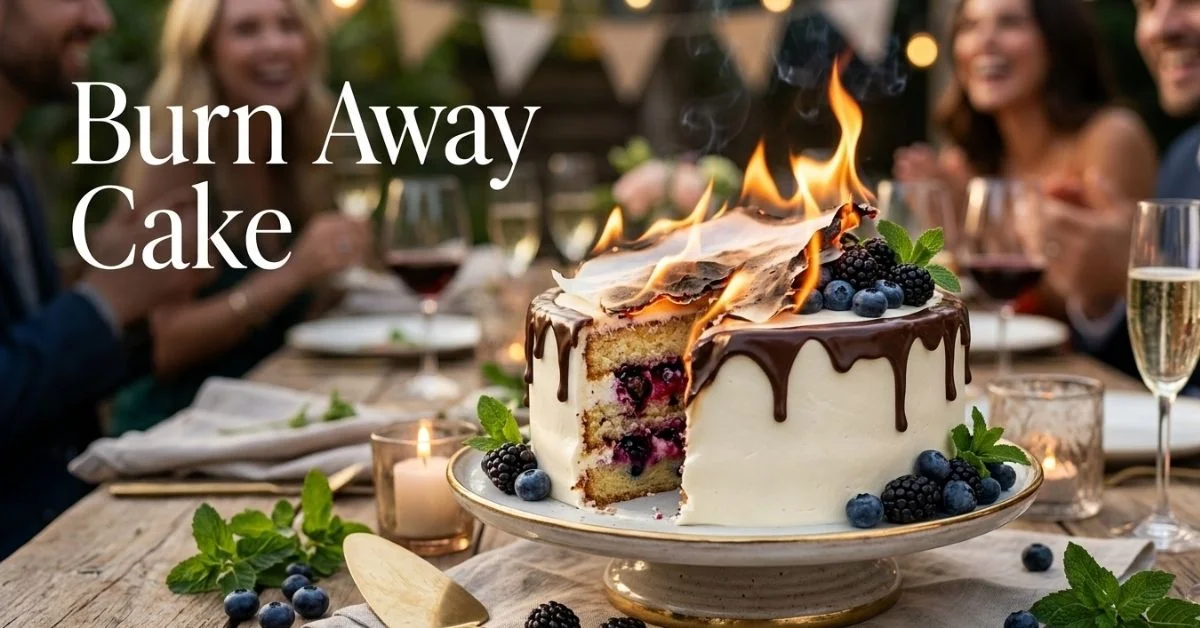
A burn away cake is a visually stunning dessert designed to ignite a thin, edible top layer, creating a dramatic flame effect while keeping the cake underneath safe to eat. The concept has gained popularity through viral TikTok and Instagram trends, where the cake’s surface burns away to reveal hidden designs, messages, or vibrant decorations beneath. The edible layer is usually made from wafer paper or icing sheets printed with food-safe ink, which burns quickly and safely without affecting the cake underneath.
The appeal of the burn away cake lies in its theatrical presentation combined with a fully edible result. Unlike traditional flaming desserts that use alcohol or syrups, burn away cakes are designed to be entirely safe when prepared with proper edible materials. This makes it suitable for birthday parties, celebrations, and even professional catering events.
For beginners, the idea might seem complex, but it primarily involves layering, decorating, and following proper safety measures for ignition. Once the correct techniques and materials are used, the process becomes predictable and safe while delivering maximum visual impact.
Why It’s Trending
Burn away cakes have captured the attention of social media audiences due to their dramatic reveal and customizable designs. TikTok and Instagram creators often showcase these cakes during birthday surprises, gender reveals, and themed parties. Guests are usually amazed as the top layer ignites and burns away, unveiling messages or intricate decorations hidden beneath.
The trend combines culinary creativity with entertainment, making it a dessert that doubles as a showpiece. Bakers can personalize the top layer with edible images, printed logos, or themed artwork, which adds a modern twist to traditional cake decoration. The fire effect is mesmerizing and encourages people to share photos and videos, further boosting the cake’s popularity.
The trend also appeals to home bakers because it does not require advanced baking techniques. The dramatic effect is achieved mostly through assembly, careful decoration, and safe ignition, making it accessible to beginners and professionals alike. It aligns perfectly with the social media culture of visually shareable, viral content.
Read also: Lansdale Meats & Deli Guide: Menu, Hoagies, Hours
Ingredients & Supplies
Creating a burn away cake requires both standard cake ingredients and specialized materials for the burning effect. Using high-quality ingredients ensures a visually pleasing and safe result.
Cake Ingredients:
-
2 layers of sponge cake (vanilla, chocolate, red velvet, or flavor of choice)
-
1 cup buttercream frosting or Swiss meringue
-
½ cup chocolate ganache for optional decoration
-
Fresh fruits such as blueberries, blackberries, and raspberries
-
Mint leaves for garnish
Burn Layer Supplies:
-
Edible wafer paper or icing sheet
-
Edible ink printer or pre-printed edible images
-
Food-safe colorings for custom designs
Assembly Tools:
-
Offset spatula for smooth frosting
-
Cake turntable for easier decoration
-
Small lighter or long match for ignition
-
Baking tray or heat-resistant surface for safety
Optional Extras:
-
Fondant for decorative borders
-
Cocoa powder or powdered sugar for dusting
-
Small cake toppers to enhance presentation
Selecting the right edible paper and food-grade inks is critical. Wafer paper burns evenly and quickly, whereas icing sheets provide smoother textures but may require careful layering. Maintaining the right moisture level in the frosting is also essential to prevent unintended charring or uneven burning.
Step-by-Step Recipe
Creating a burn away cake involves preparation, careful layering, and precise decoration. Follow these steps for a successful result:
-
Prepare the Cake Layers:
Bake the sponge cakes in your chosen flavors and allow them to cool completely. Trim the tops to ensure a flat surface suitable for stacking and decorating. -
Apply Frosting Base:
Spread a thin layer of buttercream frosting on the bottom cake layer. Add fruits or fillings if desired, then place the second layer on top and apply a crumb coat to seal crumbs. -
Smooth the Frosting:
Apply a thicker, final layer of frosting using an offset spatula. Chill the cake for 15–20 minutes to firm the frosting and create a stable surface for the burn layer. -
Print and Prepare Edible Images:
Using an edible ink printer, print your desired designs on wafer paper or icing sheets. Trim the edges to match the cake dimensions accurately. Pre-printed edible sheets can also be used for convenience. -
Apply the Burn Layer:
Carefully place the edible sheet on top of the cake, aligning your design. Avoid pressing too hard, as this can tear or wrinkle the sheet. Secure the edges with a thin piping of buttercream if necessary. -
Decorate Borders and Garnish:
Pipe frosting borders around the edges of the cake to secure the burn layer and add decorative appeal. Place fruits, mint leaves, or small toppers for additional visual interest. -
Lighting the Cake:
Position the cake on a heat-resistant surface. Using a long match or small lighter, ignite the top edge of the edible sheet carefully. Allow the flame to burn across the surface while maintaining safety supervision at all times.
Printing Edible Images
Printing edible images is an essential part of customizing a burn away cake. Edible ink printers allow you to print photographs, logos, and patterns directly onto wafer paper or icing sheets. The process requires specialized edible ink cartridges and printer settings that prevent smudging or bleeding.
Tips for Best Results:
-
Use high-resolution images for clear, crisp prints.
-
Trim images carefully to fit the cake surface.
-
Avoid using overly thick or wet frosting beneath the image, as it may warp or tear.
-
Store printed sheets flat until ready to place on the cake.
Wafer paper is preferred for faster and safer burning, while icing sheets are ideal for smoother finishes. Experiment with different textures to achieve a personalized effect.
Assembly Guide
Assembling a burn away cake requires a combination of stability and visual appeal. Ensure your cake layers are level, the frosting is firm, and the burn layer is properly placed.
-
Stack cooled cake layers and secure with frosting.
-
Chill the stacked cake to prevent sliding.
-
Gently place the edible sheet on top and smooth with light pressure.
-
Pipe decorative borders to secure the sheet and create an aesthetic finish.
-
Add fruits or mint leaves without disturbing the burn layer.
A stable cake assembly ensures that the dramatic burning effect works without accidents, making your cake safe and visually appealing.
How to Burn Safely
Safety is paramount when igniting a burn away cake. Always use a heat-resistant surface, supervise the flame, and keep flammable objects away. Only ignite the top edible layer, which burns quickly and harmlessly when made from wafer paper or icing sheets.
Safety Tips:
-
Keep children and pets away during ignition.
-
Use a long lighter or match to maintain distance from the flame.
-
Have a fire extinguisher or damp cloth nearby.
-
Burn the cake in a well-ventilated area to avoid smoke buildup.
-
Never use alcohol, oils, or flammable liquids for ignition.
Following these precautions ensures a safe and memorable cake presentation while protecting everyone from harm.
Design Ideas
Burn away cakes can be personalized for birthdays, anniversaries, corporate events, or themed parties. Consider these design ideas:
-
Photo Reveal: Print a favorite picture or memory on the edible sheet.
-
Message Cake: Hide a birthday greeting or congratulatory message under the burn layer.
-
Themed Decorations: Incorporate seasonal or party-themed graphics.
-
Patterned Art: Use geometric patterns, floral designs, or abstract art.
-
Color Reveal: Use colored frosting layers beneath a neutral burn sheet for a dramatic effect.
By combining edible prints with creative decorations, you can make your burn away cake a memorable centerpiece for any celebration.
Troubleshooting
Even simple burn away cakes may encounter minor issues. Here’s how to fix common problems:
-
Edible sheet tearing: Ensure the cake surface is smooth and dry before placing the sheet.
-
Uneven burn: Use wafer paper rather than thicker icing sheets for consistent burning.
-
Frosting melting: Chill the cake before adding the burn layer.
-
Design misalignment: Trim and adjust the edible sheet carefully before final placement.
-
Slow burning: Check that the sheet is dry and thin enough to ignite safely.
Addressing these issues ahead of time ensures a flawless burning effect and prevents frustration during the reveal.
Variations & Alternatives
Burn away cakes can be customized in many ways to suit dietary needs, preferences, or budgets. Consider these alternatives:
-
Vegan Burn Away Cake: Use plant-based frosting, eggless sponge, and vegan chocolate ganache.
-
Dairy-Free Options: Substitute buttercream with coconut or nut-based frostings.
-
Budget-Friendly: Use small wafer paper sections or store-bought edible sheets for a cost-effective approach.
-
Mini Cakes: Create individual burn away cupcakes for smaller events.
-
Alcohol-Free “Flaming Effect”: Achieve the visual burn using safe LED candle toppers or dry ice smoke effects.
These variations make the cake accessible to diverse audiences and occasions without compromising safety or creativity.
Conclusion
Burn away cakes are a safe, visually stunning dessert trend perfect for parties and celebrations. By using edible sheets, careful layering, and safe ignition techniques, anyone can create a dramatic reveal that delights guests. With customizable designs, dietary variations, and simple troubleshooting tips, this ultimate beginner’s guide ensures your burn away cake is both safe and spectacular, making every occasion memorable.
FAQs
What is a burn away cake?
A cake with an edible top layer designed to ignite safely, revealing hidden decorations underneath.
How do you make edible wafer paper?
Wafer paper is commercially produced, but DIY rice paper sheets can be printed with edible ink for customization.
Is burn away cake safe to eat?
Yes, if made with edible materials like wafer paper or icing sheets and ignited under supervision.
What printer is needed for edible ink?
An edible ink printer with food-grade cartridges is required to print designs on wafer or icing sheets.
Can I use fondant instead?
Fondant can be used decoratively, but it does not burn safely and should not replace the burn layer.
How long does the wafer burn?
Typically 20–40 seconds, depending on size and thickness.
Best frosting for burn away cake?
Buttercream or Swiss meringue works best for smooth surfaces and stability.
-
 Food4 weeks ago
Cuts of Steak: Complete Guide to Beef Cuts
-

 Food4 weeks ago
What Is Andouille Sausage? Complete Guide
-

 Drinks6 days ago
Easy Lychee Martini Recipe Sweet & Floral Cocktail
-

 Food4 weeks ago
Ultimate Tripas Recipe and Cooking Guide
-

 Food4 weeks ago
Shirleys Coffee Shop Guam Locations Menu and Guide
-
 Food6 days ago
Black Pudding Guide: History, Recipe & Nutrition
-

 Blog3 weeks ago
Saltwater Kitchen & Sushi: Menu, Reviews, and Visitor Guide
-

 Food4 days ago
Italian Ice Flavoring Guide: Flavors, Bases, and Recipes