
Food
Squid Ink Tonnarelli: How to Cook It Perfectly Without Ruining the Flavor

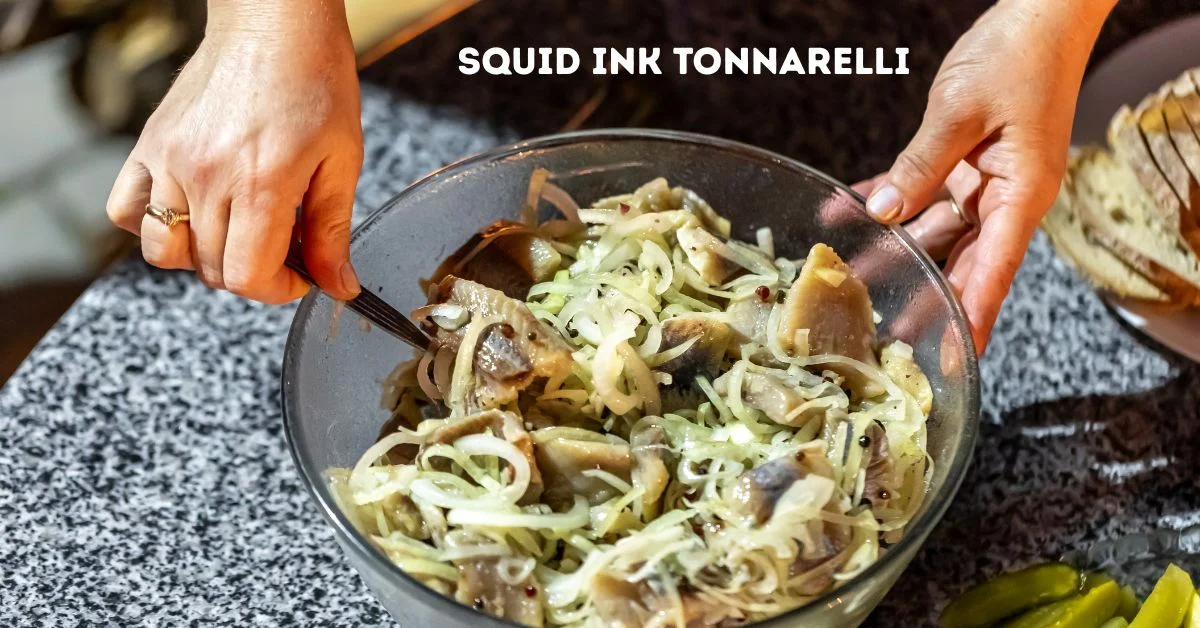
Let’s be honest, the first time I saw squid ink tonnarelli on a menu, I almost skipped it. Jet black pasta sounds like something that belongs in a Halloween dinner, not a Tuesday night at home. But the moment I tried it, I completely understood why Italians have been making it for centuries. If you have been curious about this pasta but unsure where to start, you are in the right place. This guide covers what it actually tastes like, how to cook it without messing it up, and which sauces actually work.
What Is Squid Ink Tonnarelli?
Tonnarelli is a thick, square-cut pasta from central Italy, particularly from Rome and the Lazio region. Think of it as a slightly chunkier, square version of spaghetti. When squid ink gets mixed into the dough during production, the pasta turns a deep, almost dramatic black and picks up a subtle briny quality from the ink.
It belongs to the same family as spaghetti alla chitarra but has a denser chew and holds sauce better because of its square edges. Coastal Italian cooks have been using squid ink for centuries, originally because it was a byproduct of cleaning fresh squid during fishing. Over time, it became a beloved ingredient in its own right.
Here is the thing most people miss. The ink actually builds a faint oceanic flavor directly into the dough itself. That means the pasta is already doing some of the flavor work before you even add a sauce, which changes how you should think about seasoning the whole dish.
What Does Squid Ink Tonnarelli Actually Taste Like?
This is the question almost every first-timer asks, and the honest answer is that it tastes much milder than you probably expect.
The flavor is subtle, slightly salty, and faintly briny. It does not taste like fish. A better way to describe it is that it tastes like sea air rather than any specific seafood. If you have ever eaten a fresh oyster or tasted the liquid inside a steamed clam, you have a rough idea of the base note the ink adds. It is there, but it is gentle.
The texture is where tonnarelli really earns its reputation. It has a satisfying firm chew, holds sauce beautifully along its square edges, and stays al dente without turning mushy if you cook it right.
Is it too fishy for beginners? No, and this surprises most people. The ink is used in small amounts during pasta production, so it seasons the dough rather than dominating it. If you enjoy simple seafood pasta at all, you will almost certainly enjoy this. If you are still not sure, start with a garlic and olive oil sauce the first time. It lets you taste the pasta itself before you bring in stronger flavors.
Read also: Pork Side Meat: A Beginner’s Guide to Cooking It Right
Ingredients You Need
Fresh vs packaged squid ink tonnarelli
I spent more time than I should have searching for fresh squid ink tonnarelli the first time, only to realize that dried pasta works just as well for everyday cooking. A good quality Italian brand holds its shape, delivers excellent flavor, and is far more forgiving at the stove. Fresh squid ink tonnarelli is available at specialty stores or Italian delis and cooks in about two to three minutes, but it is more delicate and easier to overcook.
For a weeknight dinner, dried pasta is the smarter choice. Fresh pasta is worth seeking out when you have a little more time and attention to give.
Key supporting ingredients
You do not need many ingredients to make this pasta shine. The dish is built on simplicity, and the more you overload it, the more you risk drowning out the flavor that makes it interesting in the first place.
Good extra virgin olive oil is essential because it forms the base of almost every sauce that works well here. Garlic, lightly cooked rather than browned, adds warmth without competing with the pasta. Seafood like clams, shrimp, scallops, or cuttlefish echo the oceanic note already present in the pasta. Dry white wine brings brightness and acidity to seafood sauces and lifts the overall dish. Fresh parsley added at the end gives a clean, herbal finish that cuts through the richness.
How to Cook Squid Ink Tonnarelli Step by Step
Boiling time and texture control
Start with a large pot and plenty of water. This matters more than people think because crowded pasta cooks unevenly and sticks together. Bring the water to a full, rolling boil before adding the pasta.
Add salt to the boiling water, but go slightly lighter than you normally would. Squid ink tonnarelli already carries a faint saltiness from the ink, and most seafood sauces add more salt on top. It is easy to end up with an oversalted dish if you season the water the same way you would for plain pasta.
Dried squid ink tonnarelli typically takes 8 to 10 minutes. Check the packet and start tasting two minutes before the suggested time. You are looking for pasta that is still firm in the center with just a little resistance when you bite through it.
Before you drain the pasta, scoop out a full cup of the cooking water and set it aside. That starchy liquid is one of the most useful things in your kitchen at that moment. It helps bind the sauce, loosen it if it gets too thick, and makes everything coat the pasta evenly.
How to avoid overcooking
The biggest mistake with this pasta is finishing the cooking in the pot instead of in the pan. Drain the pasta when it is still slightly underdone, then transfer it directly into your sauce pan with a splash of the reserved pasta water. Let it finish cooking in the sauce for one to two minutes. This way the pasta absorbs the sauce instead of just sitting on top of it, and you never end up with a mushy result.
When to add sauce
Your sauce should already be ready and waiting in the pan before the pasta finishes boiling. This is not a dish where you boil the pasta, set it aside, and then start making the sauce. The timing matters. Have your garlic already cooked, your seafood ready, and your sauce simmering gently so the moment you drain the pasta, it goes straight into the pan.
Best Sauces for Squid Ink Tonnarelli
Seafood-based sauces are the classic pairing
Clams in white wine are probably the most traditional match. The briny clam juice and dry wine create a light broth that soaks into the pasta and mirrors the oceanic quality of the ink. Shrimp with garlic and olive oil is another natural fit. Scallops work beautifully if you sear them separately and use the pan drippings as part of your sauce base.
The reason seafood works so well here is not just tradition. It is practical flavor logic. The ink already tastes like the sea, so pairing it with seafood creates a unified dish where everything points in the same direction. Introducing a completely unrelated protein creates a disconnect that is hard to resolve at the table.
Light garlic and olive oil options
Aglio e olio with squid ink tonnarelli is one of the simplest and most satisfying combinations you can make. Cook thinly sliced garlic in olive oil over low heat until it softens and turns golden but not brown. Toss in the drained pasta with a splash of pasta water, a pinch of chili flakes, and fresh parsley. That is genuinely all you need. The simplicity lets the pasta itself do the talking.
Tomato vs cream, what works and what does not
Light tomato sauce can work if you use a fresh, bright version rather than a heavy cooked-down marinara. The acidity cuts through the richness of the ink and adds some contrast. Use it sparingly though. A small amount of tomato in a mostly olive oil base works better than making tomato the dominant element.
Cream sauce is the one pairing that most Italian cooks would steer you away from, and for good reason. Cream coats the palate and mutes the subtle oceanic flavor that makes squid ink pasta worth eating in the first place. If you want to use cream, use only a small amount as a finishing touch rather than building the whole sauce around it. Heavy cream sauces paired with squid ink pasta tend to taste muddy rather than refined.
Common Mistakes to Avoid
Overpowering the natural flavor
The most common mistake is treating squid ink tonnarelli like a blank canvas and piling on strong flavors. It is not a blank canvas. The pasta itself has character, and the best thing you can do is let it show. Avoid strong cheeses like pecorino or parmesan on top because the sharpness competes with the delicate ink flavor. Avoid very spicy sauces for the same reason. The goal is complement, not competition.
Using the wrong sauce
Any sauce that is too heavy, too rich, or too strongly flavored will overwhelm what makes this pasta special. This is not the pasta to pair with a slow-cooked meat ragu or a very assertive, garlicky sauce. Keep things light, keep them coastal, and you will not go wrong.
Overcooking the pasta
Squid ink tonnarelli loses its pleasant chew quickly. Once it goes past al dente, it turns soft and the flavor of the ink becomes less distinct. The finish-in-the-pan method described earlier solves this entirely. Drain it early, finish it in the sauce, and serve immediately.
Adding too much salt
Because the pasta and seafood sauces both carry natural salinity, it is easy to oversalt this dish without realizing it until you sit down to eat. Season at the end rather than the beginning, and taste constantly. A dish that is slightly undersalted can be fixed at the table. One that is oversalted cannot be rescued.
Restaurant vs Homemade Version
You might be wondering why squid ink tonnarelli at a restaurant always seems to taste better than what you make at home. The main difference is usually the precision of the timing and the quality of the seafood, not some secret ingredient you are missing.
Restaurant kitchens have everything prepped and ready so the pasta goes from boiling water to sauce to plate in under three minutes. The sauce is often built from a fresh seafood stock that takes hours to prepare. The portions are precise and the pasta is served immediately.
At home, you can get genuinely close by keeping a few things in mind. Make sure your sauce is completely ready before you start boiling the pasta. Use the best quality seafood you can find because there is nowhere to hide with a simple sauce. Serve the moment the pasta hits the plate because this dish does not wait well.
One trick that genuinely makes a difference at home is finishing the pasta with a small drizzle of very good olive oil right before serving. It adds a glossiness to the dish and a fresh flavor that lifts everything noticeably.
Where to Buy Squid Ink Tonnarelli
Online vs local stores
Specialty Italian grocery stores often carry dried squid ink tonnarelli, particularly in cities with a strong Italian food culture. If you cannot find it locally, it is widely available online through Italian importers and specialty food retailers. Look for brands that list semolina flour and squid ink as the main ingredients with no artificial coloring or additives.
What to look for in quality
Good quality squid ink pasta should be a deep, even black color with no gray or faded patches. The package should feel solid and the pasta should look clean without any cracks or broken pieces. A short ingredient list is usually a good sign. Italian-made pasta from a reputable brand almost always outperforms cheaper alternatives.
Simple Squid Ink Tonnarelli Recipe
Quick 20-minute version
Ingredients for two people: 200g dried squid ink tonnarelli, 3 garlic cloves thinly sliced, 250g clams or shrimp, 100ml dry white wine, 3 tablespoons extra virgin olive oil, a small handful of fresh parsley, salt to taste.
Heat the olive oil in a wide pan over medium heat. Add the garlic and cook gently for one to two minutes until it softens without browning. Add the seafood and pour in the white wine. Cook for two to three minutes until the clams open or the shrimp are just pink. Keep the pan on low while your pasta finishes.
Boil the tonnarelli in lightly salted water until just under al dente, reserve a cup of the pasta water, then transfer the pasta directly into the pan. Toss everything together for one to two minutes, adding pasta water a splash at a time until the sauce coats the pasta evenly. Finish with fresh parsley and a drizzle of olive oil. Serve immediately.
Optional upgrades for better flavor
Add a small amount of fresh chili or chili flakes with the garlic if you want a little heat. A squeeze of lemon right at the end brightens the whole dish. If you can find fresh cuttlefish or squid, cooking it in the sauce instead of clams or shrimp deepens the connection between the ink in the pasta and the seafood in the sauce.
What Most People Get Wrong About This Pasta
Most home cooks approach squid ink tonnarelli the same way they approach any other pasta, which means they season the water heavily, cook the pasta fully in the pot, and add whichever sauce they have planned without adjusting for the pasta’s own character. The result is a dish that tastes fine but misses the point entirely.
The other thing people consistently get wrong is the salt. Because the dish looks bold and dramatic, people assume it needs bold seasoning. It does not. The ink, the seafood, the pasta water, and the olive oil all contribute flavor. The cook’s job is mostly to get out of the way and let those elements work together.
Conclusion
Squid ink tonnarelli is one of those dishes that rewards you for keeping things simple. The pasta does most of the work on its own, and your job is really just to not get in the way. Season lightly, pair with seafood or simple garlic oil, and get it to the plate while it is still hot. Once you cook it a couple of times, you will stop seeing it as intimidating and start seeing it for what it actually is, one of the easiest impressive meals you can put together at home. Give it a shot, and I think you will be glad you did.
FAQs
Is squid ink pasta safe to eat?
Yes, it is completely safe. Squid ink has been used in cooking for centuries and is approved as a food ingredient in both Europe and the United States. It is simply the natural pigment from squid, used in small amounts to color and lightly flavor the pasta dough.
Does it taste very fishy?
No. The flavor is subtle and briny rather than strongly fishy. Most people who are nervous about trying it are surprised by how mild it actually is. It adds a faint oceanic quality rather than the aggressive fish flavor people expect.
Can vegetarians eat squid ink pasta?
No, squid ink comes from squid, which is an animal. It is suitable for pescatarians who eat seafood but not for those following a vegetarian or vegan diet. Some specialty stores sell pasta colored with other natural ingredients as an alternative.
Why is it black in color?
The black color comes from melanin in the squid ink, which is the natural pigment that squid produce and release as a defense mechanism. When mixed into pasta dough, it colors the pasta evenly and adds a very mild flavor alongside the dramatic appearance.
Can I make it from scratch at home?
Yes, you can. You will need fresh pasta dough made from semolina flour and eggs, with squid ink mixed in during the kneading stage. Squid ink is sold in small sachets at most specialty grocery stores and online. Making it from scratch gives you control over the thickness and texture, though dried pasta is a perfectly good alternative for everyday cooking.
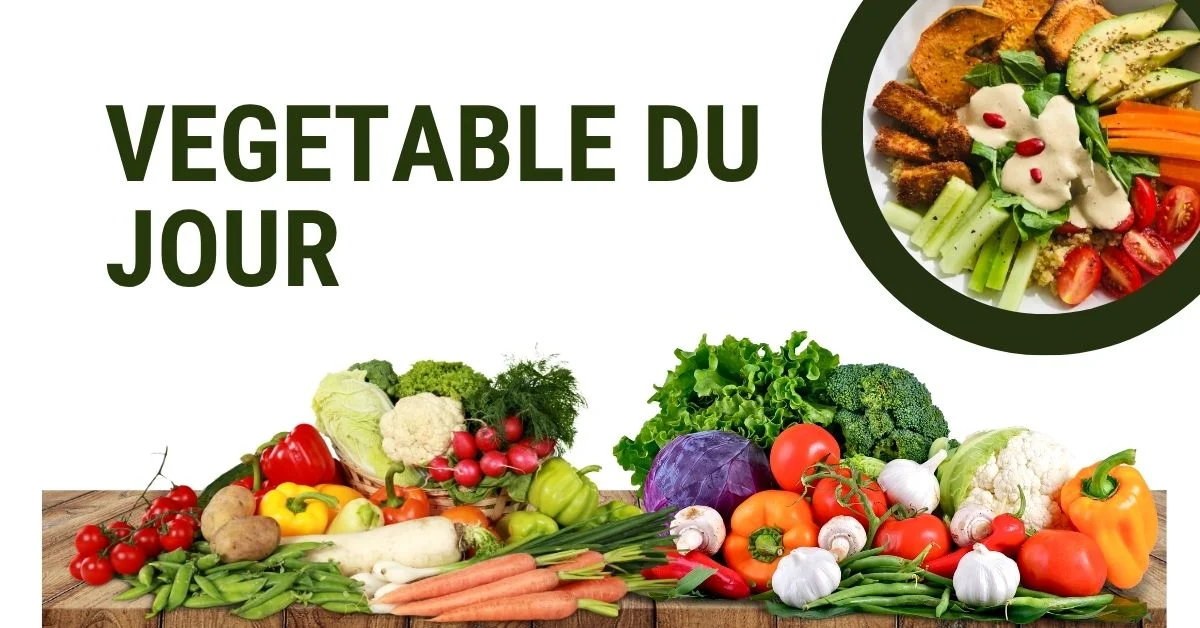
If you have ever stared at a restaurant menu and wondered what “vegetable du jour” actually means, you are not alone. It sounds a little fancy, maybe even mysterious, but the idea behind it is genuinely simple. It just means the vegetable of the day. This article breaks down what the term means, how restaurants actually use it, and how you can bring the same thinking into your own kitchen without overcomplicating anything.
What Does “Vegetable du Jour” Mean?
Simple Definition in Plain English
Vegetable du jour means the featured vegetable being served that day. It is not a fixed recipe or a specific dish. The kitchen picks one vegetable, prepares it simply, and serves it as a side. Tomorrow it might be something completely different depending on what came in fresh that morning.
Origin of the Term in French Cuisine
The phrase comes from French, where “du jour” simply means “of the day.” French cuisine has long used this structure for daily changing items, with “soup du jour” being the most well-known example. When French culinary traditions spread into European and American restaurants during the 19th and 20th centuries, terms like these became standard menu language even in kitchens that had nothing French about them. Today you will see it everywhere from fine dining spots to casual neighborhood bistros, and most diners understand it to mean something fresh and rotating.
Read also: Recipes Heartumental: A Simple Guide to Emotional Comfort Cooking
How “Vegetable du Jour” Is Used in Restaurants
What It Looks Like on a Menu
On a printed or chalkboard menu, you will usually see something like “grilled salmon served with the vegetable du jour” or just “chef’s vegetable du jour” listed as a side option. Sometimes the server tells you what it is when you sit down. Other times a small insert card near the entrance lists that day’s selections. It is kept deliberately flexible so the kitchen is not locked into one item regardless of what arrives fresh.
Why Restaurants Change It Daily
Here’s the thing, there are very real practical reasons behind this. Fresh produce deliveries arrive on certain days, and whatever looks best or needs to be used first gets featured. A head chef does not want to advertise asparagus on a Tuesday if the morning delivery brought in excellent zucchini instead. Changing it daily also keeps the menu feeling alive without the cost and effort of a full reprint every week.
Examples from Real Menus
A steakhouse might list “8oz filet with mashed potatoes and vegetable du jour” where tonight the vegetable is roasted broccolini with garlic butter. A French-style bistro might serve pan-seared duck with the vegetable du jour being braised Belgian endive. A family restaurant might keep it even simpler, offering steamed green beans or buttered corn depending on the day. The common thread is always the same. The vegetable complements the main dish and uses whatever is freshest in the kitchen.
How Chefs Choose the Vegetable du Jour
This is the part most articles skip entirely, and honestly it is the most useful thing to understand whether you work in a restaurant or just cook dinner at home most nights.
Seasonal Availability
Chefs think in seasons, not in fixed menus. In summer, zucchini, corn, and cherry tomatoes are cheap, fresh, and easy to work with. In winter, root vegetables like parsnips, turnips, and carrots hold up better and are more widely available. Choosing something in season means better flavor and lower cost, and both of those things matter a lot in a professional kitchen.
Pairing with Main Dishes
A good vegetable du jour does not compete with the main course. If the protein is rich and heavy, like braised short ribs, the vegetable tends to be lighter or slightly acidic to cut through the richness, like wilted spinach with lemon or pickled beets. If the main is a delicate white fish, something mild like steamed asparagus or glazed carrots works better than anything too bold or earthy. Chefs always think about the full plate, not just the vegetable sitting on its own.
Cost and Freshness Considerations
Whatever arrived in the morning delivery and is at peak freshness gets priority. If the kitchen received a large batch of green beans that need to be used within two days, green beans become the vegetable du jour. This is not a compromise at all. It is smart cooking. Fresh vegetables prepared simply almost always taste better than older ones dressed up with complicated technique.
Kitchen Practicality and Prep Time
During a busy dinner service, the vegetable needs to be something the kitchen can prepare quickly and in large batches. Roasted vegetables can sit in a warm oven, steamed vegetables can be finished to order in minutes, and sautéed options move fast on the stovetop. A vegetable that requires 45 minutes of individual prep does not work well when 80 covers are coming in over two hours. Simplicity is not laziness here, it is a necessity.
How to Choose Your Own Vegetable du Jour at Home
You do not need a professional kitchen to use this idea. I have found that thinking this way actually makes weeknight cooking feel less stressful and a lot more flexible. Once you stop trying to plan every detail and just work with what looks good, everything gets easier.
A Simple 3-Step Selection Method
First, check what you already have or what looks good at the market or store that day. Second, think about what you are cooking as the main dish and what flavors would go well without overpowering it. Third, pick the simplest preparation that brings out the vegetable’s natural flavor without requiring extra shopping or complicated technique. That is genuinely how most chefs approach it too, and it works just as well at home.
Matching Vegetables with Your Meal
If you are making grilled chicken, roasted broccoli or sautéed zucchini works well. With pasta dishes, wilted greens like spinach or arugula fit naturally without fighting the sauce. With a rich beef dish, something with slight bitterness or brightness, like roasted Brussels sprouts or braised chard, balances the plate nicely. You are essentially asking yourself what would make this meal feel complete without pulling attention away from the main.
Quick Flavor Ideas
Roasting at high heat, around 425°F or 220°C, brings out the natural sweetness in vegetables and works on almost anything from cauliflower to carrots. Steaming preserves color and nutrients and lets a simple finish of olive oil, salt, and lemon do all the work. Sautéing in a hot pan with garlic and oil takes under ten minutes and is perfect for leafy greens, asparagus, or snap peas. You rarely need more than a handful of ingredients to make a vegetable taste genuinely good.
Easy Vegetable du Jour Ideas by Season
Spring
Asparagus, peas, artichokes, spring onions, and baby spinach are all at their best this time of year. A simple preparation like roasted asparagus with olive oil and sea salt or sautéed peas with butter and fresh mint works perfectly alongside almost any spring meal.
Summer
Zucchini, corn, cherry tomatoes, eggplant, and green beans thrive in the summer heat. Grilled zucchini with herbs, corn sautéed in butter with a pinch of smoked paprika, or a quick pan of blistered cherry tomatoes all make excellent sides without much effort at all.
Fall
Butternut squash, Brussels sprouts, sweet potatoes, fennel, and cauliflower come into their own in autumn. Roasted Brussels sprouts with a little balsamic or caramelized butternut squash with cinnamon and olive oil are simple, satisfying choices that feel right for cooler evenings.
Winter
Root vegetables carry the season through the colder months. Parsnips, turnips, carrots, beets, and celeriac all roast or braise beautifully. Glazed carrots with honey and thyme or roasted beets with goat cheese are classic winter sides that feel warming without being too heavy on the plate.
Is Vegetable du Jour a Recipe or a Concept?
Why It’s Not Just One Fixed Dish
This confuses a lot of people who search the phrase expecting a single recipe to follow. There is no one fixed dish behind it. It is a rotating concept, meaning today it might be roasted carrots and tomorrow it might be steamed broccoli. The preparation and seasoning change based on the vegetable chosen, the main dish it accompanies, and what the chef feels works best that day.
How It Differs from Soup du Jour
Soup du jour follows the same logic but is more widely recognized. Both mean the daily changing item in that category. You might be wondering what the actual difference is, and it mostly comes down to how it appears on the menu. Soup du jour tends to be listed more explicitly because customers usually want to know what soup is being served before they order it. Vegetable du jour is sometimes listed without specifying the vegetable at all, with the server filling in the details verbally when you ask.
Common Mistakes to Avoid
Overcomplicating the Dish
Let’s be honest, a vegetable du jour should be simple. The moment you start building a complicated sauce or using five different techniques for a side dish, you have lost the spirit of the whole thing. The best versions are clean, well-seasoned, and fast. If it takes longer to prepare than the main dish, something has gone wrong in the planning.
Ignoring Seasonality
Choosing a vegetable that is out of season usually means lower quality, higher cost, and noticeably less flavor. This applies at home just as much as it does in a restaurant. A pale, mealy tomato in December is not going to impress anyone regardless of how you cook it. Sticking to what is actually in season, or at least what looks genuinely good at the store that day, is the single biggest factor in how the dish turns out.
Choosing Vegetables That Don’t Match the Meal
A very strong vegetable paired with a delicate main can overwhelm the whole plate. Roasted Brussels sprouts with blue cheese dressing alongside a light lemon sole fillet is just too much going on at once. Think about weight, flavor intensity, and texture when you are matching the vegetable to the meal. A light protein needs a gentle side, and a rich, bold main can handle something with more character.
What Most People Get Wrong About This Term
Most people assume vegetable du jour means something fancy or specifically tied to French restaurants. In reality it is just a practical menu system that any kitchen can use. Restaurants love it because it gives them flexibility without reprinting menus every single day. Some people also assume it must involve an elaborate preparation. In professional kitchens, the opposite is almost always true. A vegetable that is genuinely fresh and in season needs almost nothing done to it. A squeeze of lemon, a drizzle of good olive oil, and a pinch of salt is often all it takes to make a side dish that people actually remember. The simplicity is the point, not a shortcut around doing the work properly.
Conclusion
At the end of the day, vegetable du jour is not a fancy French secret or a chef-only concept. It is just a practical way of saying “use what is fresh today and pair it thoughtfully.” If you take anything away from this, let it be that good vegetables do not need much fussing. Buy what looks best, match it to your meal, and keep the cooking honest. That approach works in restaurants, and it works just as well on a Tuesday night at home. Give it a try the next time you are standing in the produce section with no idea what to grab. You might be surprised how easy it actually is.
FAQs
Does vegetable du jour mean the same dish everywhere?
No, it changes from restaurant to restaurant and day to day. Each kitchen chooses its own vegetable based on what is fresh and available. There is no universal standard dish behind the phrase, which is exactly what makes it useful.
Can I prepare it in advance?
Some vegetables hold up well if cooked earlier in the day, like roasted root vegetables or braised greens. Others, like sautéed zucchini or steamed asparagus, are better prepared fresh just before serving. It really depends on the vegetable and the cooking method you use.
Is it always a side dish?
Typically yes, especially in a restaurant context. At home, though, there is nothing stopping you from making a seasonal vegetable the centerpiece of a light meal, particularly if you prepare it well and pair it with something complementary.
How do I make it taste restaurant-quality?
Use good olive oil, season generously with salt, and do not overcook it. Most restaurant vegetables taste better simply because they are cooked at higher heat with enough fat and served right away. Avoiding soggy or bland results at home really does come down to those three things.
What’s the difference between du jour and a daily special?
A daily special is usually a complete dish, like a specific entrée or a fully plated meal, that is not on the regular menu. Du jour refers to a category item, like soup or vegetable, that rotates daily within an otherwise fixed menu. They are both temporary, but one replaces a dish entirely while the other fills a flexible recurring slot.

Have you ever opened your fridge after a rough day, not really hungry, just looking for something that feels right? That is exactly what Recipes Heartumental recipes are about. They are simple, home-style meals made with emotional intention, not fancy techniques or perfect presentation. Just food that feels right for the moment, whether you need comfort after a hard day, want to show someone you care, or just want something warm that feels like home.
I have been there more times than I can count, standing in the kitchen at 9 PM with no plan and a heavy mood. What saved me was learning to cook for how I felt, not for what looked good on a plate.
This guide walks you through what heartumental cooking actually means, gives you a practical mood-based system for deciding what to cook, and shares beginner-friendly recipes you can pull off with basic ingredients. No experience needed at all.
What Are Heartumental Recipes?
Heartumental recipes are home-cooked meals tied to emotion and comfort. Think of it this way: when you make a bowl of soup for a friend who is sick, or you cook your grandmother’s rice dish from memory when you feel homesick, that is heartumental cooking. It is less about the recipe itself and more about why you are cooking it.
The Meaning Behind Heartumental Cooking
The word heartumental blends “heart” and “sentimental.” It describes cooking that carries emotional weight, meals that feel personal and meaningful. These are not dishes from a professional kitchen. They come from a real place: a memory, a mood, a person you love, or a moment you are trying to get through.
What makes a meal heartumental is the intention behind it. You are not cooking to impress anyone. You are cooking to feel something, or to help someone else feel something.
Why People Search for This Type of Food
Let’s be honest, most people land on this topic because they want food that matches how they feel. They are not looking for a restaurant-style dish or a complicated technique. They want something real. Something that does not take three hours or require special equipment. Something that feels like a warm hug in food form.
Recipes heartumental content fills a gap that most cooking sites completely ignore: the emotional reason behind the meal.
Read more: Best Cut of Meat for Beef Jerky (Simple Guide)
Key Features of Heartumental Recipes
Simple Ingredients and Easy Steps
Heartumental cooking does not depend on exotic or hard-to-find ingredients. Most of these recipes use things you already have sitting in your kitchen: rice, pasta, eggs, potatoes, onions, butter, broth, and basic spices. The simplicity is the whole point. When you are already emotionally drained, the last thing you need is a recipe that asks for twelve steps and a blender.
If a recipe takes more than 45 minutes on a rough day, it probably does not qualify.
Comfort and Emotional Connection
The food needs to feel familiar, either to you personally or in a broader cultural sense. A creamy pasta dish, a slow-simmered dal, a pot of chicken soup, or a pan of warm rice pudding. These work because they connect to something deeper than hunger. They signal safety, warmth, and care.
That emotional connection is what separates heartumental cooking from just making dinner.
Homemade Over Fancy Cooking
Ordering takeout is convenient, sure. But it does not carry the same weight as making something with your own hands. There is something in the act of cooking that itself brings comfort. The stirring, the smell filling your kitchen, the small decisions you make along the way. It all adds up. Heartumental recipes celebrate that process, not the end result.
The Mood-Based Cooking Approach
Here’s the thing: this is what most guides miss completely. Instead of handing you a random list of comfort recipes, the heartumental approach matches food to the emotional situation you are actually in right now.
What to Cook When You Feel Stressed
Stress needs something warm, repetitive, and low-effort. The act of stirring or slow-cooking can itself feel grounding. Good options here are risotto, a simple lentil soup, or creamy scrambled eggs on toast. These meals ask just enough of your attention to keep your mind gently focused, without demanding anything complicated from you.
If you are really at your limit, make buttered pasta with garlic and parmesan. It takes twelve minutes, needs five ingredients, and genuinely helps.
What to Cook When You Feel Lonely
Loneliness calls for food that feels abundant and a little indulgent. Think one-pot dishes that fill your kitchen with smell: a slow pot of beans with spices, a big batch of rice with caramelized onions, or a warm potato soup. The goal is to create an environment that feels full and cozy, even when the space around you is quiet.
Avoid quick meals when you feel lonely. Take your time. Let the cooking itself be the company.
What to Cook for Family Comfort Moments
Shared meals need to feel generous and easy for everyone at the table. Simple baked pastas, a pot of biryani, vegetable curries, or a classic roast chicken all work well because they are familiar and shareable. These are the kinds of meals where people naturally slow down, talk more, and stay a little longer.
If you are cooking for family after a hard week, something placed in the center of the table and shared always lands better than individual plated portions.
What to Cook to Cheer Someone Up
When you are cooking to lift someone else’s mood, lean toward their favorites, not yours. Think about what they used to eat as a child, or something you know they love. If you are not sure, warm baked goods almost always land well: banana bread, soft cookies, or a simple cake. The gesture matters just as much as the food.
Bringing someone a homemade dish says something that takeout simply cannot.
Easy Heartumental Recipes for Beginners
Quick Comfort Meals (Under 30 Minutes)
Garlic Butter Pasta Boil pasta and save a cup of pasta water before draining. In a pan, melt butter and add minced garlic, cooking for two minutes. Add the drained pasta, a splash of pasta water, salt, and parmesan. Toss until everything looks silky. Done in 20 minutes and genuinely satisfying.
Egg Fried Rice Use leftover rice for this one. Heat oil in a pan, scramble two eggs, push them to one side, then add the rice, soy sauce, and a little sesame oil if you have it. Mix everything together and toss in whatever vegetables are sitting in your fridge. About 15 minutes from start to finish.
Tomato Toast with Cheese Not glamorous, but honestly so effective. Toast thick slices of bread, then rub the surface with a cut garlic clove while still hot. Layer on sliced tomatoes, salt, olive oil or butter, and shredded cheese. Put it under the grill for two minutes. Simple and deeply comforting every single time.
One-Pot Emotional Comfort Dishes
Simple Chicken and Rice Soup Add chicken pieces, rice, diced onion, garlic, carrot, salt, and water or broth to one pot. Simmer on medium heat for 35 to 40 minutes until everything is soft and cooked through. Finish with a squeeze of lemon. This dish has a near-universal ability to make people feel better, and I have no scientific explanation for why.
Dal (Lentil Soup) Red lentils, water, turmeric, salt, and cumin. Boil until soft and creamy, around 25 minutes. In a small separate pan, heat oil or butter with cumin seeds, a chopped onion, and garlic until golden. Pour it all over the dal and serve with bread or rice. One of the most comforting meals across many cultures, and it costs almost nothing to make.
Budget-Friendly Home-Style Recipes
Potato and Onion Hash Dice potatoes small, fry in oil with sliced onions until golden and a little crispy. Season with paprika, salt, and pepper. Top with a fried or poached egg. Filling, cheap, and completely honest food.
Bean and Tomato Stew One can of beans, one can of crushed tomatoes, garlic, olive oil, salt, and dried herbs. Simmer together for 20 minutes and serve with bread. This meal is proof that you do not need money to cook something genuinely good.
How to Create Your Own Heartumental Recipes
Choosing Ingredients That Feel Familiar
Start with what you already know and love. Do not try to recreate something from a restaurant you have never been to. Think about what you ate growing up, what your family made on cold evenings, or what you instinctively reach for when you are tired and hungry. Those are your personal heartumental ingredients.
The goal is emotional recognition, not culinary novelty.
Keeping Recipes Simple and Flexible
A good heartumental recipe should still work even when you are missing one or two ingredients. If a recipe completely falls apart without a specific item, it is too rigid for this approach. Build meals around flexible parts: a grain, a protein or legume, a vegetable, a fat, and seasoning. That simple structure can become hundreds of different meals depending on what you have on hand.
Cooking with Emotion, Not Perfection
You might be wondering, what if I mess it up? The biggest shift in heartumental cooking is releasing the pressure of doing it perfectly. If the soup is a little thin, add some bread to soak it up. If the rice stuck to the pot, scrape it and serve it anyway. The goal is warmth and nourishment, not a photo-ready plate.
Imperfect home cooking carries something restaurant food rarely can: it is made by someone who actually cares.
What Most People Get Wrong About This Topic
A lot of people assume heartumental cooking is just another name for comfort food. It is not quite the same thing. Comfort food is about the food itself: its flavor, its texture, its familiarity. Heartumental cooking is about the context, why you are making it, who you are making it for, and what you are feeling while you cook.
A bag of chips is comfort food. A bowl of soup you made from scratch after a difficult conversation is heartumental. The act of making it with intention is what separates the two.
People also assume they need to be in a sad or low emotional state to cook this way. In reality, heartumental cooking comes from joy too. Cooking for someone’s birthday in a simple and personal way, making a family recipe to share with a new friend, or recreating a dish from a trip you loved: all of that counts.
Common Mistakes to Avoid
Overcomplicating Simple Meals
The moment you start adding unnecessary steps or try to turn a heartumental dish into something gourmet, you lose the whole point. Heartumental cooking earns its value through simplicity. A complicated recipe is harder to make when you are emotionally low, and it removes the accessibility that makes this kind of cooking matter in the first place.
Ignoring Personal Taste and Culture
No single list of recipes works for every person. What feels like home cooking in one culture can feel completely foreign in another. Your heartumental recipe list should be built around your own background and your own preferences. Do not copy someone else’s comfort foods if they do not resonate with you personally. Find what works for your palate and your memories.
Trying to Follow Strict Rules
There are no rules here. No measurements need to be exact. No technique needs to be mastered. If you are cooking with emotional intention and the result is edible and warm, you have done it right. The moment heartumental cooking starts to feel like a performance or a test, it loses its entire purpose.
Conclusion
Here is what I want you to take away from all of this: recipes heartumental are not a trend or a cooking category. They are just meals made with genuine intention, cooked when something matters. You do not need skill, a big budget, or a fully stocked kitchen. You just need a reason to cook and the willingness to keep it honest and simple.
So pick one recipe from above and make it this week, not because it will be perfect, but because the act of cooking it will mean something. That is the whole point, and once you feel it, you will get why people keep coming back to this kind of cooking.
FAQs
Are heartumental recipes the same as comfort food?
Not exactly. Comfort food is about how a dish tastes and how familiar it feels. Heartumental recipes go one step further and connect the food to an emotional moment or intention. You can eat comfort food passively. Heartumental cooking involves an active emotional reason for making the meal, whether that is for yourself or someone else.
Can heartumental meals be healthy?
Absolutely. Many wholesome dishes fit naturally into the heartumental approach: lentil soups, vegetable stews, rice-based meals, egg dishes, and grain bowls. The focus is not on indulgence. It is on meals that feel warm, real, and personal, and many of those happen to be pretty nutritious too.
Do I need cooking experience to make them?
No experience is needed at all. The whole point is that these recipes are simple by design. If you can boil water, heat a pan, and follow basic steps, you can make heartumental meals. Start with egg toast, buttered pasta, or a can of tomatoes turned into a quick sauce. Build from there as your confidence grows.
What are the easiest heartumental dishes to start with?
Garlic butter pasta, egg fried rice, or a simple lentil soup are all great starting points. These three need very few ingredients, come together in under 30 minutes, and have a natural warmth that makes them perfect for beginners. They are also forgiving, meaning small mistakes will not ruin the result.
Can I adapt cultural recipes into heartumental style?
Yes, and honestly this is the best version of heartumental cooking. Your cultural food traditions are some of the most emotionally loaded ingredients you have access to. If you have a family dish that carries meaning, learn to make a simple version of it. Even an imperfect homemade attempt carries more weight than ordering the same dish from a restaurant.
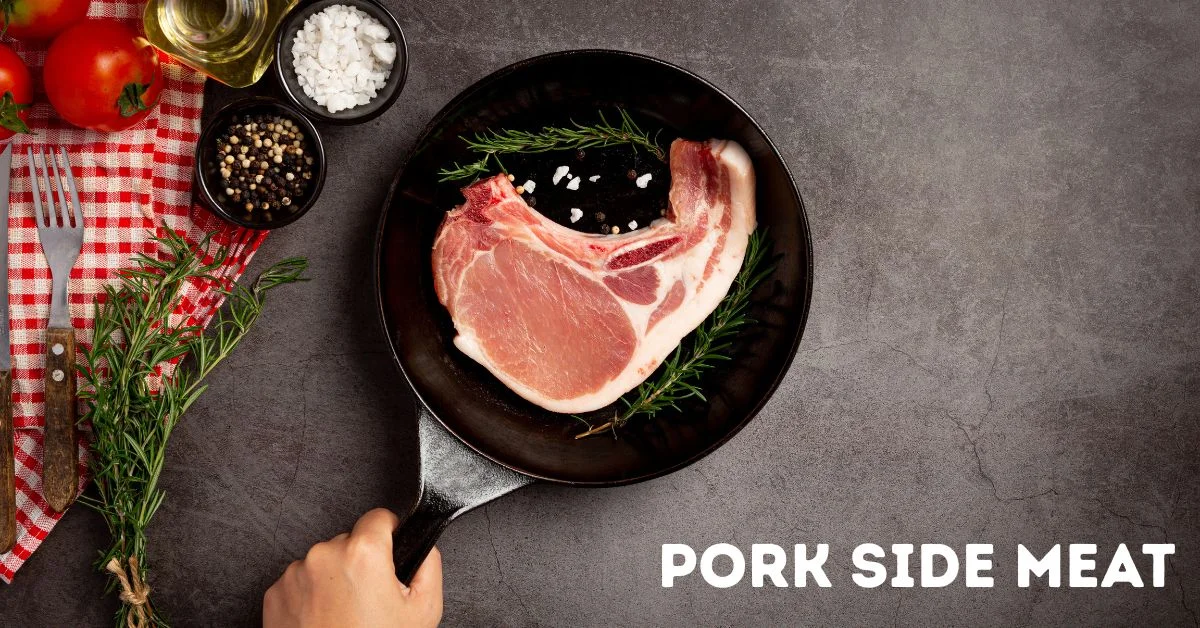
If you have ever picked up a pack of pork side meat at the butcher, brought it home, and then stood in the kitchen wondering what on earth to do with it, you are not alone. I have been there too. Most of us just assume it is basically bacon and throw it in a hot pan, and then wonder why it comes out chewy, greasy, or weirdly pale. Here is the thing: pork side meat is not bacon, and once you understand that one difference, everything clicks. This guide will walk you through exactly what it is, how to prepare it, the best ways to cook it, and how to dodge the mistakes that trip most beginners up.
What Is Pork Side Meat?
Pork side meat comes from the belly or side section of the pig. It is a thick, fatty cut with layers of fat and meat running through it. You will usually find it sold fresh at the butcher counter, sometimes labeled as “fresh side pork” or just “pork side.”
The simple answer is that it is raw, uncured pork belly. It has not been smoked, salted, or treated in any way. It is just the natural cut of meat straight from the side of the pig, and it needs to be cooked completely from scratch before eating.
Fresh Side Pork vs Bacon
This is the biggest confusion point for most people, and honestly it matters a lot before you even turn on the stove.
Bacon is made from the same part of the pig, but it goes through a curing process first. It gets soaked or rubbed with salt, sugar, and sometimes nitrates, then smoked or dried. That curing changes everything, including the color, the smell, the texture, and how it behaves in the pan.
Fresh side pork skips all of that. It is pale pink, mildly flavored, and pretty much the same as any other raw pork cut. When it hits a hot pan, it will not sizzle and smell quite like bacon. It renders fat more slowly and needs longer cooking time to develop any color or crispiness. I spent way too long trying to treat it like bacon before I figured out why it kept turning out wrong, so hopefully this saves you that trouble.
Is It the Same as Pork Belly?
Yes, pretty much. In the US, “fresh side pork” and “pork belly” are used interchangeably most of the time. The main difference you might notice is thickness. Pork belly at Asian grocery stores or specialty butchers tends to come in thicker slabs, while side pork at a standard grocery store is sometimes sliced thinner. But they are the same cut from the same part of the animal.
Read more: Crawfish Boil Seasoning: How to Make It at Home
What to Expect When Cooking Side Pork
Texture, Fat Content, and Flavor
Fresh side pork has a high fat content, and that is a feature, not a flaw. The fat is what makes it rich and satisfying when cooked the right way. If you cook it too quickly on high heat, the outside burns before the fat has time to render, and you end up with a greasy, tough piece of meat. Cook it too gently and give up too early, and it will be soft and flabby instead of golden.
The flavor on its own is mild. It is porky and clean, with none of the smoky, salty punch that bacon has. Think of it as a blank canvas. It takes on whatever seasonings you give it, and the cooking method does most of the flavor work.
Why It Cooks Differently Than Bacon
Bacon is already partially preserved and flavored. The salt and cure pull out moisture, which is a big part of why bacon crisps up so quickly. When you put bacon in a pan, it sizzles immediately and cooks fairly fast.
Fresh side pork holds more moisture and has not been pre-treated at all. It takes longer for the fat to start rendering, and there is more liquid that needs to cook off before any browning can happen. If you rush it, you end up steaming it rather than frying it. That is why patience and heat control are really the two most important skills here.
How to Prepare Pork Side Meat Before Cooking
Slicing Tips for Best Results
If your side pork comes as a slab, slice it yourself at home for more control. For pan-frying, cut slices between a quarter inch and half an inch thick. Too thin and they curl up and overcook quickly. Too thick and the fat will not have time to render properly before the outside gets too dark.
A sharp knife and slightly chilled meat make this a lot easier. If the slab feels too soft to slice cleanly, put it in the freezer for 15 to 20 minutes first.
Do You Need to Season or Cure It?
No curing is needed unless you specifically want to make your own bacon-style product at home, which is a whole different project. For everyday cooking, simple salt and pepper right before cooking is all you need. Do not add salt too far in advance because it draws out moisture and causes the meat to steam rather than fry.
Some people pat the pieces dry with a paper towel before cooking, and this is a genuinely good habit. Surface moisture turns to steam the second it hits the pan, and steam is the enemy of a good sear.
Best Way to Cook Pork Side Meat
Pan-Frying Method
This is the most common and reliable method, and it gives you the best texture and color.
Start with a cold or barely warm pan. Place the sliced side pork in a single layer without crowding the pieces. Turn the heat to medium-low and let it sit. In the first few minutes, you will see fat starting to pool in the pan. That is the fat rendering out, and it is exactly what you are going for.
After about five to seven minutes, the meat will start to look slightly translucent around the edges. Now you can flip each piece and keep cooking. Bump the heat up to medium if you want to encourage browning. Cook for another five to seven minutes on the second side, flipping occasionally as needed.
Total cooking time usually falls between 15 and 25 minutes depending on thickness. The pieces should be deeply golden on both sides with the fat looking clear and slightly crisped rather than pale and soft.
Oven-Baked Method
If you want less mess from splattering fat and fewer things to watch, the oven is a solid option.
Preheat to 400 degrees Fahrenheit (200 Celsius). Line a baking sheet with foil and place a wire rack on top if you have one. The rack lets air flow under the meat and helps it crisp instead of sitting in its own fat. Lay the slices flat, season with salt and pepper, and bake for 20 to 30 minutes depending on thickness. Flip once at the halfway point.
For extra crispiness in the last five minutes, switch the oven to broil and keep a close eye on it. It can go from golden to burnt very quickly under direct heat.
How to Get Crispy, Not Chewy or Greasy, Pork Side Meat
Controlling Heat for Proper Fat Rendering
Let’s be honest, this is where most people struggle. Rendering fat takes time and the right temperature. Too high and the outside chars before the fat inside has melted. Too low and the fat never fully renders, leaving the meat greasy and soft.
Medium-low to medium heat is the sweet spot. You want to hear a gentle, steady sizzle, not aggressive popping and spitting. If the pan is smoking, it is too hot. Turn it down and give things a minute to settle before you continue.
Common Mistakes and How to Fix Them
The most frequent mistake is starting on high heat because people expect the meat to behave like bacon. When you do that, the surface sets too fast and the inside stays fatty and tough. Start lower and be patient, that is really all there is to fixing it.
Another common problem is overcrowding the pan. When too many slices go in at once, they steam each other instead of frying. If you are cooking a big batch, do it in two rounds and keep the first batch warm in the oven at low heat while you finish the second.
Not patting the meat dry is a small mistake that makes a real difference. Any moisture on the surface turns to steam instantly when it hits the pan, and that steam works against browning. A quick thirty seconds with a paper towel before cooking is worth it every time.
When It Is Perfectly Cooked
The meat should look golden to deep brown on both sides. The fat should appear mostly clear or lightly caramelized, not white and jiggly. Press a piece lightly with a spatula and it should feel firm. The edges may be slightly crispy, and any visible fat should look melted and glossy rather than raw and pale.
If you are not sure, just cut into a piece. Cooked side pork should be white or light tan throughout with no pink remaining.
What Most People Get Wrong About This Topic
You might be wondering why so much beginner content gets this wrong. Most of it tells you to treat pork side meat like bacon, which leads to every problem described above. The real thing to understand is that fresh side pork is a rendering cut at heart. It works well in a skillet, but only when given the right conditions.
Because it has not been cured, there is no shortcut to building flavor. It needs heat, time, and space in the pan to develop any character. The fat rendering is the cooking process, not just a side effect. Once that clicks, cooking side pork stops feeling frustrating and starts feeling easy.
Flavor Ideas and Serving Suggestions
Simple Seasonings That Work Best
Plain salt and pepper will get you surprisingly far with fresh side pork. Because the fat carries flavor so well, the simplest seasoning often tastes the best.
Garlic powder, onion powder, and a little smoked paprika are the next step up and they work really well together. The smoked paprika adds a faint smokiness that mimics what curing would normally give you.
For something a little different, try brushing the slices with a light coating of soy sauce mixed with a tiny bit of honey in the last few minutes of cooking. It caramelizes quickly and gives a sweet-savory glaze that works especially well in a rice bowl or Asian-style dish.
How to Serve It
The most obvious use is as a breakfast meat alongside eggs and toast. It fills the same role as bacon but with a meatier, less salty bite.
In a sandwich, cooked side pork is excellent. Slice it and pile it onto a crusty roll with some mustard and pickled vegetables. It also works really well in rice bowls, ramen, or stir-fries, especially if you cut cooked pieces into smaller bits and toss them in with vegetables and sauce.
In Southern cooking, side pork is often simmered into bean dishes or greens for hours as a flavoring ingredient. That is a completely different use from the pan-fried approach, and it gives those dishes their rich, porky depth.
Storage, Leftovers, and Reheating
How to Store Cooked Side Pork
Let the cooked pieces cool completely before putting them away. Once cooled, store them in an airtight container in the refrigerator and they will keep well for three to four days.
Raw fresh side pork should be used within two days if kept in the fridge, or you can freeze it for up to three months. Wrap it tightly in plastic wrap and then place it in a freezer bag to keep out freezer burn.
Best Way to Reheat Without Losing Texture
The microwave is the worst option for leftover cooked side pork. It turns rubbery fast and the fat gets unpleasant in a hurry.
Reheat it in a dry skillet over medium heat for two to three minutes per side. This crisps it back up and gets the fat moving again. A toaster oven at 375 degrees for about five minutes also works well if you are reheating several pieces at once.
Pork Side Meat vs Bacon: Which Should You Use?
Taste and Texture Comparison
Bacon is saltier, smokier, and crispier. It is already flavored from curing and smoking, so it adds an immediate hit of umami and salt wherever you use it.
Fresh side pork is milder, meatier, and richer in a clean fat flavor. The texture when cooked well is closer to a pork chop than crispy bacon. It is hearty in a way that bacon is not, which is why it works so well as a standalone protein rather than just a topping or flavoring.
When Side Pork Is the Better Choice
Use fresh side pork when you want a heartier, meatier result with less sodium. It is a much better fit for rice dishes, braised recipes, or anything where you want the pork to take on the flavors around it rather than dominate everything with smoke and salt.
If you are cooking for people who avoid processed or cured meats, fresh side pork is the natural swap. It delivers the same richness without any of the curing ingredients.
For breakfast where you want that classic bacony sizzle and snap, bacon wins every time. But for cooking versatility and a cleaner flavor base, side pork is the more useful ingredient to have in your fridge.
Conclusion
Here is my parting advice as someone who has made every mistake in the book with this cut. Stop expecting pork side meat to be bacon. Once you let go of that comparison and just let it do its own thing on medium-low heat with enough time to render properly, you will be genuinely surprised at what comes out of that pan. Rich, golden, satisfying, and completely worth the patience. Start simple, get the basics down, and then play around with the seasonings and serving ideas. You will not regret keeping a pack of this in your fridge.
FAQs
Is pork side meat already cured?
No. Fresh pork side meat is sold raw and uncured, exactly as it comes from the pig. It has not been salted, smoked, or preserved in any way. You need to fully cook it before eating, just like any other raw pork.
Why is my side pork too chewy?
The most likely cause is cooking on heat that is too high, too fast. The fat never got a chance to render properly, which leaves the meat dense and tough. Try medium-low heat next time and give it more time in the pan. Patience really is the main ingredient here.
Can I cook it like bacon?
You can use a similar stovetop method, but the timing and heat need to be different. Do not crank the heat expecting bacon-like results. Start lower, go slower, and plan for roughly double the cooking time you would use for bacon.
How long does it take to cook?
Pan-frying takes about 15 to 25 minutes depending on thickness, starting on medium-low heat. Oven baking at 400 degrees takes 20 to 30 minutes. Thinner slices will cook faster, so keep an eye on things once you hit the 15-minute mark.
Can you freeze side pork?
Yes, both raw and cooked. Raw side pork freezes well for up to three months if wrapped tightly. Cooked side pork can also be frozen and reheated in a skillet, though the texture is best when eaten fresh or kept in the fridge rather than frozen.
-

 Food6 days ago
Cuts of Steak: Complete Guide to Beef Cuts
-

 Food6 days ago
What Is Andouille Sausage? Complete Guide
-

 Food6 days ago
Wagyu Beef Price per Pound: Complete Cost Guide
-

 Food6 days ago
Shirleys Coffee Shop Guam Locations Menu and Guide
-

 Tech1 week ago
DemonScans Review: Is It Safe for Manga Readers?
-

 Food6 days ago
Ultimate Tripas Recipe and Cooking Guide
-

 Drinks6 days ago
Easy Lychee Martini Recipe Sweet & Floral Cocktail
-

 Food6 days ago
Italian Ice Flavoring Guide: Flavors, Bases, and Recipes