
Food
What Is a Binder in Cooking? A Complete Guide

A binder in cooking is a substance applied to the surface of meat before seasoning to help the dry rub or spices stick better. Think of it as a light glue layer between the meat and the seasoning. Without it, rubs can slide off or fall away during handling and cooking.
The concept confuses a lot of people because the word “binder” means two different things depending on context. In BBQ and grilling, it refers to something like mustard or oil that holds seasoning to the surface. In baking and recipe cooking, binders like eggs or flour hold ingredients together inside a dish. This guide focuses on both, but covers the BBQ version in detail since that is where most confusion happens.
By the end, you will know what binders are, when to use them, which type works best for different meats, and when you can skip them entirely.
What Is a Binder in Cooking?
Simple Definition
A binder in cooking is any ingredient that helps other components stick together or adhere to a surface. In grilling and BBQ, it is applied as a thin coat on raw meat so that dry rub seasoning clings to the surface instead of falling off. In everyday cooking and baking, binders are used inside recipes to hold ingredients like meatballs, burgers, or batters together during cooking.
A good binder is usually neutral in flavor, easy to spread, and does not overpower the seasoning or the natural taste of the meat.
Two Types of Binders Worth Knowing
The first type is the surface binder, which is what most BBQ cooks mean. You spread it on raw meat, apply your rub on top, and let it work as an adhesive. Mustard, oil, and mayo all fall into this category.
The second type is the structural binder, used in recipes to hold a dish together. Eggs bind meatloaf. Flour or breadcrumbs hold crab cakes. Cornstarch thickens sauces. These binders work inside the food, not on the surface. Both types serve the same basic idea: keeping things where they are supposed to be.
Read also: The Complete Guide to Seafood Boil Kit
What Does a Binder Actually Do?
Helps Seasoning Stick to the Surface
When you sprinkle a dry rub on raw meat without a binder, only a little of it sticks to the surface. The rest shakes off when you move the meat to the grill, pick it up, or adjust it with tongs. A thin layer of binder creates a slightly tacky surface that grips the seasoning and keeps it in place through handling and the early stages of cooking.
This matters more on smooth surfaces like chicken thighs or pork tenderloin than on something naturally rough and moist like a freshly trimmed brisket.
Moisture and Surface Adhesion Explained
Raw meat already has some moisture on the surface. That natural moisture does help rub stick, which is why binders are not always necessary. However, the moisture dries out quickly, especially on lean cuts or pre-dried meats. A binder like oil or mustard stays tacky longer and gives the rub something consistent to cling to.
Here is a simple way to understand it: if you try to stick something to a dry wall, it falls off. Add a thin coat of paste, and it holds. The binder works the same way, just on meat.
Does It Affect Flavor?
This is the most common myth around binders, especially mustard. Many people avoid using mustard because they worry it will make their brisket taste like a hot dog. In reality, mustard loses almost all of its distinctive flavor during long cooking processes. What stays behind is a tiny bit of acidity and a faint savory note, both of which actually help seasoning taste better.
Oil adds no flavor unless you use something strong like sesame oil. Mayo, which is mostly oil and egg, also disappears into the crust with little impact on final taste.
The short answer: binders rarely add noticeable flavor, especially after an hour or more of cooking.
Do You Really Need a Binder?
When a Binder Is Useful
Binders are most helpful when you are working with smooth or lean cuts of meat that do not have much natural surface moisture. They also make a difference when you are using a heavy rub and want every bit of seasoning to stay put. If you are cooking for guests or entering a BBQ competition, a binder gives you more control and consistency.
They also help when the meat has been dry-brined or air-dried in the fridge overnight, since the surface will be very dry and rubs will not stick well on their own.
When You Can Skip It
Honestly, you can skip a binder more often than you think. Fresh, well-trimmed meat with a moist surface will hold a moderate rub without any help. If you season your meat and let it rest for 20 to 30 minutes, the salt pulls a little moisture out of the meat and creates a natural adhesive layer. Many experienced pitmasters skip binders entirely and get great results.
If you are using a light seasoning or just salt and pepper, a binder is rarely needed.
What Happens Without One
The rub may not stick as evenly. Some seasoning will fall off during handling. The crust that forms during cooking might be slightly thinner. For most backyard cooks, this difference is minor. For slow-smoked meats where a thick bark is the goal, it might matter more.
Common Types of Binders
Mustard
Yellow mustard is the most popular BBQ binder by far. It spreads easily, stays tacky at room temperature, and forms a good base for rubs. Its flavor disappears almost completely during cooking, which surprises most first-time users. Dijon mustard works the same way but costs more. Regular yellow mustard is the practical choice for most cuts.
Oil, Including Olive and Vegetable Oil
Oil is a cleaner-tasting option that works well on chicken and fish. It creates a slightly slippery surface, so you need to apply your rub firmly after coating. Olive oil adds a faint fruity note, which can be nice on lighter proteins. For bold BBQ rubs on red meat, neutral vegetable oil is a better choice.
Mayonnaise
Mayo is underrated as a binder. It sticks well, contains fat and egg, and creates a beautiful brown crust during cooking. It works especially well on chicken and fish. The fat content helps seasoning adhere better than plain oil in many cases. A thin coat is all you need.
Hot Sauce and Other Liquids
Hot sauce, Worcestershire sauce, or even pickle juice can work as binders. They add a subtle layer of flavor and are great for cooks who want a little extra kick on the surface. These are thinner than mustard or mayo, so they work better as a secondary layer under oil rather than as a standalone binder.
Best Binder for Different Foods
Brisket and Large Cuts
Mustard is the classic choice for brisket. The meat is large, takes a long time to cook, and benefits from a thick bark. Yellow mustard gives the rub something firm to grip and helps develop a deep crust over 10 to 16 hours of smoking.
Chicken
Oil or mayo works best on chicken. Mayo in particular gives chicken an incredibly moist, golden crust. Apply it to the outside and under the skin if possible, then coat with your seasoning blend.
Steak
For most steaks, no binder is needed. A generous coat of oil before seasoning works well if you want something. A thin layer of olive oil plus salt and pepper is a classic steak prep for a reason.
Burgers and Ground Meat
Ground meat uses structural binders like egg, breadcrumbs, or oats to hold the patty together during cooking. These are internal binders. Without them, loose-mixed burgers can fall apart on the grill.
How to Use a Binder, Step by Step
How Much to Apply
Less is more. You are aiming for a thin, even coat, not a thick paste. For a full brisket, a few tablespoons of mustard is enough. For a rack of ribs, one to two tablespoons works. If you can clearly see the binder sitting thick on the meat, you have used too much.
When to Apply Before Cooking
Apply the binder right before you add your rub. There is no benefit to applying it hours in advance. Coat the meat, season it immediately, and then let the whole thing rest for 30 to 60 minutes before cooking. This rest period lets the salt in the rub start working and helps the surface set.
Adding Dry Rub Correctly
After the binder is applied, press the rub into the surface rather than just sprinkling it. Use your palm to gently press the seasoning in. This helps it stick better and creates a more even crust during cooking.
Binder vs Marinade vs Dry Rub
Key Differences
A marinade is a liquid mixture that soaks into the meat, adding flavor from the inside. A dry rub is a blend of spices applied to the outside of the meat. A binder is the adhesive layer that helps the dry rub stick to the surface. These are three different tools with three different purposes.
When to Use Each One
Use a marinade when you want deep flavor penetration, especially for thin cuts or poultry. Use a dry rub when you want a seasoned crust or bark. Use a binder when you are applying a rub to a smooth or dry surface and want it to stay put.
You can combine all three. Marinate overnight, dry the surface, apply a binder, add your rub, and smoke or grill.
Common Mistakes to Avoid
Using Too Much Binder
A thick coat of mustard or mayo does not mean better results. It can create a gummy texture under the rub and prevent proper bark formation. Always use a thin, even layer.
Choosing the Wrong Type
Using a strong-flavored binder like Dijon or a seasoned mayo on a delicately flavored protein can overpower it. Match the binder to the protein. Keep it neutral for bold rubs, and use flavored binders only when you want a specific result.
Expecting Flavor Impact
If you are using a binder hoping it will add a mustard or tangy flavor to your final dish, you will mostly be disappointed. Binders serve a mechanical purpose. Any flavor contribution is subtle at best after cooking.
Binder Comparison Table
Mustard works great as a binder for brisket, ribs, and pork. It is thick, easy to spread, very affordable, and the flavor fully disappears after cooking. Excellent choice for BBQ.
Oil works well for chicken, fish, and steaks. It is thin, requires firm rub application, and adds little to no flavor. Best for lighter proteins.
Mayonnaise works excellent for chicken and fish. It is creamy, creates a great crust, is moderately priced, and adds a subtle richness. Especially good on poultry.
No binder works fine for moist cuts with natural surface moisture. It requires no prep, costs nothing, and has no flavor impact. Fine for quick cooks or well-marbled meat.
Alternative Ways to Make Seasoning Stick
Natural Meat Moisture
Fresh meat has enough surface moisture to hold a light seasoning. If your cut feels wet to the touch, pat it dry with a paper towel, then season. The natural proteins on the surface will grip the spice particles. This works reliably for simple salt-and-pepper applications.
Resting Time After Seasoning
Season your meat and let it rest uncovered for 20 to 40 minutes before cooking. Salt draws moisture out of the meat, which then dissolves and creates a natural brine on the surface. When you cook after this rest period, the rub adheres more firmly. This is one of the simplest ways to avoid needing a binder at all.
Conclusion
A binder in cooking is simply a substance that helps things stick together, either on the surface of meat to hold seasoning in place, or inside a recipe to hold ingredients together. For BBQ and grilling, a thin coat of mustard, oil, or mayo is all you need. It takes 30 seconds to apply and can make a real difference in how your crust forms and how evenly your rub stays on the meat.
That said, binders are not mandatory. Learn when they help, when you can skip them, and pick the right type for the food you are cooking. That alone puts you ahead of most backyard cooks.
FAQs
Does a binder add flavor to meat?
Not in any significant way. Most binders like mustard, oil, and mayo lose their distinct flavor during cooking, especially at high temperatures or over long smoking sessions. A binder serves a mechanical purpose, helping seasoning stick, rather than a flavor purpose. Any taste contribution is minor.
Is mustard the best binder for BBQ?
Mustard is the most popular BBQ binder because it is affordable, easy to spread, and flavorless after cooking. But it is not always the best. Mayo works better on chicken, and oil is a cleaner option for fish or steak. The best binder depends on the cut and cooking method.
Can I cook without using a binder?
Yes, absolutely. Many great BBQ cooks never use a binder. If your meat has natural moisture, or if you use a light seasoning, you do not need one. A binder is a helpful tool, not a requirement.
What is the best binder for beginners?
Yellow mustard is the easiest starting point. It is cheap, widely available, easy to spread, and fool-proof. You will not taste it in the final dish, and it makes applying your first rub much simpler.
Can I use binders in regular cooking, not just BBQ?
Yes. Eggs, breadcrumbs, flour, and cornstarch are common binders used in everyday cooking to hold dishes together. They keep meatballs firm, thicken sauces, and help coatings stick to fried foods. The term binder covers both surface adhesion in BBQ and structural binding in recipe cooking.
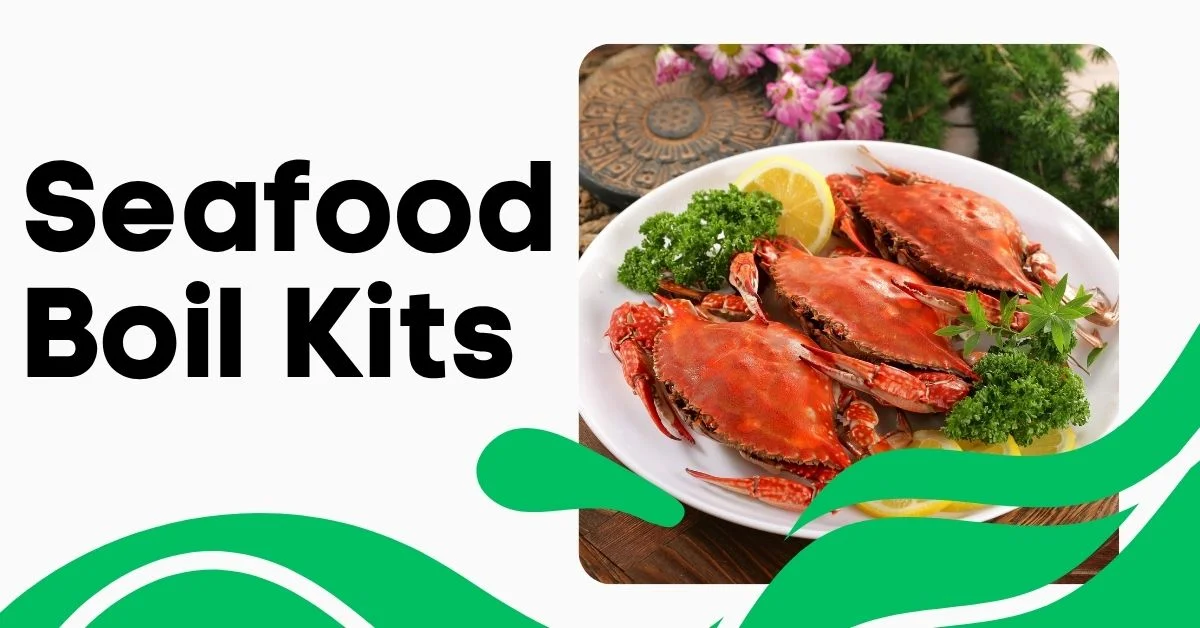
A seafood boil kit is a packaged set of ingredients that lets you cook a full seafood boil at home without sourcing everything separately. Most kits include some combination of shellfish, seasoning, and sometimes sides like corn or potatoes. The idea is simple: less prep work, more eating.
The confusion starts when people realize not all kits are the same. Some are fresh, some frozen. Some feed two people, others feed ten. And if you cook it wrong, even a great kit turns into rubbery, over-salted seafood that nobody wants.
This guide covers everything from what is actually inside these kits, to how to pick the right one for your group size, cook it properly, avoid the most common mistakes, and customize it to your taste. By the end, you will know exactly what to buy and how to make it work.
What Is a Seafood Boil Kit?
A seafood boil kit is a ready-to-cook or partially prepped package that contains the main components of a traditional seafood boil. Instead of buying crab legs, shrimp, clams, and seasoning separately, you get most of it bundled together, often with cooking instructions included.
Featured Snippet Answer:
A seafood boil kit is a packaged cooking kit that includes seafood (such as shrimp, crab, or crawfish), seasoning blend, and sometimes sides like corn or potatoes. It simplifies the process of making a full seafood boil at home by combining key ingredients in one ready-to-cook package, usually with step-by-step instructions.
What Is Typically Included
Most kits come with a protein (shrimp, snow crab legs, crawfish, or a mix), a seasoning blend (often Cajun or Old Bay based), and sometimes extras like corn on the cob, baby potatoes, or sausage. Higher-end kits might include a dipping sauce or clarified butter.
Budget kits usually include only the seafood and seasoning. You add everything else yourself. That is fine if you know what you are doing, but beginners sometimes expect a complete meal and feel surprised when they still need to shop for sides.
Who Should Use a Kit
Kits are a good fit for people who want the seafood boil experience without the trial and error of building a recipe from scratch. They work well for parties, family dinners, or someone cooking a boil for the first time.
If you already know your preferred seasoning ratios and have a go-to recipe, you may find kits limiting. But for most home cooks, the convenience is worth it, especially for larger gatherings where scaling portions manually gets complicated.
Read also: Pimento Olives: Everything You Need to Know
Types of Seafood Boil Kits
Cajun Style Kits
Cajun seafood boil kits lean heavily on bold spices, including cayenne, paprika, garlic, and onion powder. These are the most popular kits sold online and in grocery stores. The heat level varies a lot between brands. Some are mild enough for kids, others genuinely spicy.
A common issue with Cajun kits is seasoning balance. Some are heavy on salt, which can overwhelm the natural sweetness of shrimp or crab. If you are buying one for the first time, look for kits where the seasoning is separate so you can control how much goes in.
Low Country Boil Kits
Low Country boils come from the coastal southeast, particularly Georgia and South Carolina. They traditionally include shrimp, smoked sausage, corn, and potatoes, cooked together in a seasoned broth. Kits in this style tend to be more balanced in spice, with a savory, herby flavor rather than pure heat.
These kits are usually better for mixed groups where not everyone likes intense spice. They also tend to be more filling because of the included sides.
Crawfish Boil Kits
Crawfish boil kits are popular in Louisiana-style cooking and typically come with live or pre-cooked crawfish, a bold seasoning mix, and sometimes mushrooms or artichokes alongside the usual corn and potatoes.
These kits are more seasonal and regional. If you are outside the Gulf Coast, finding fresh crawfish kits locally can be difficult. Online ordering is usually the better route here.
Fresh vs Frozen Kits
Fresh kits are better in flavor but have a much shorter shelf life, typically two to three days in the refrigerator. Frozen kits last longer and are more convenient, but texture can suffer if the seafood is not thawed properly.
For large gatherings where you are ordering ahead, frozen kits make logistical sense. For a dinner you are cooking tonight, fresh is worth the extra step. Just make sure fresh kits come packed in ice or are clearly refrigerated at the point of sale.
Best Seafood Boil Kits to Buy
Best Overall Kit
The Cajun Original Seafood Boil Kit consistently gets strong reviews for seasoning quality and portion size. It includes a well-balanced spice blend and works well on the stovetop without any additional seasoning required. It is widely available online and ships frozen.
Best Budget Option
For budget buyers, store-brand frozen shrimp boil kits from retailers like Walmart or Target offer a reliable base. They lack the premium seafood cuts of higher-end brands but work well when you plan to add your own corn, potatoes, and sausage.
Best Premium Kit
Gulf Coast premium seafood boil kits that include snow crab clusters, large shrimp, and house-made seasoning blends are the top choice for special occasions. Expect to spend significantly more, but the quality difference in the shellfish is noticeable. These are worth it when you want to impress guests.
Best for Large Groups
For parties of eight or more, bulk crawfish boil kits or catering-style packs from online seafood retailers are the practical choice. They are designed to scale and often include additional seasoning packets so you can adjust flavor as you add more water or seafood.
How to Choose the Right Seafood Boil Kit
Serving Size Guide
Featured Snippet Answer:
As a general rule, plan for one to one and a half pounds of shellfish per person for a seafood boil. If the kit includes sides like corn and potatoes, the lower end of that range works. For shellfish-only kits without heavy sides, go with one and a half pounds per adult to ensure everyone has enough.
Most kits list serving sizes on the packaging, but those numbers are often optimistic. A kit labeled as serving four will comfortably feed three adults who are actually hungry, especially if the kit is mostly shrimp without many sides.
Ingredients and Quality
Check what types of seafood are included and where they are sourced. Wild-caught shrimp and crab have better texture and flavor than farmed alternatives. Some budget kits use pre-cooked frozen seafood that can turn mushy if overcooked even slightly. Look for raw seafood kits when possible for better control over the final result.
Spice Level and Flavor Options
Most brands offer mild, medium, and hot versions. If you are cooking for a group, go medium and have hot sauce available on the side rather than defaulting to hot and leaving spice-sensitive guests with nothing to eat.
Some kits also have flavor variations like lemon pepper, garlic butter, or herb-based blends. These are great alternatives to Cajun if you want something different or are cooking for someone who does not enjoy heavy spice.
Price vs Value
A good mid-range kit runs between 30 and 60 dollars depending on what is included and how many it serves. Premium kits with crab clusters and large shrimp can run over 100 dollars. Budget options under 20 dollars are usually seasoning-forward with lower-quality protein.
Do not judge purely by price. A 45-dollar kit that feeds four with quality ingredients is better value than a 25-dollar kit that feeds two with pre-cooked rubbery shrimp.
How to Cook a Seafood Boil Kit
Equipment You Need
You need a large stockpot, ideally 12 quarts or bigger. If you do not have one, a wide Dutch oven or a deep roasting pan can work in a pinch. You will also need a large colander, tongs, and either newspaper or a baking sheet to serve on.
An outdoor propane burner gives you more control over heat for large batches, but a standard stovetop burner works fine for kits feeding four or fewer people.
Cooking Instructions Using the Stovetop Method
Fill your pot halfway with water and bring it to a full boil. Add your seasoning packet and stir until dissolved. Add the items that take the longest to cook first: potatoes, then corn, then sausage. Let these cook for eight to ten minutes before adding shellfish.
Add shrimp last since they cook in two to three minutes. Crab legs take five to seven minutes. Crawfish need about eight to ten minutes depending on size. Once everything is cooked, drain the pot and dump everything out onto a large surface for serving.
Alternative Cooking Methods
Oven bag method: Place everything in a large turkey-size oven bag, add seasoning and a cup of water, seal it, and bake at 400 degrees for 45 to 55 minutes. This method works well for smaller batches and creates a natural steam that keeps seafood moist.
Outdoor burner: If you are feeding a large group, an outdoor propane burner with a 30-quart pot is the traditional and most efficient approach. You can boil larger volumes faster and serve directly from the pot.
Cooking Time by Seafood Type
Shrimp: 2 to 3 minutes. Crab legs: 5 to 7 minutes. Crawfish: 8 to 10 minutes. Clams and mussels: 5 to 6 minutes or until shells open. Lobster tails: 8 to 10 minutes depending on size.
When in doubt, err on the side of slightly less time. Seafood continues cooking slightly after it leaves the hot water.
Common Mistakes to Avoid
Overcooking the Seafood
This is the most common error. Shrimp that turns grey, curls tightly, and becomes firm is overcooked. It happens fast. Many home cooks add all the seafood at once and walk away. Stagger your additions based on cook time and pull everything out promptly.
Getting the Order of Ingredients Wrong
Adding shrimp at the same time as potatoes means the shrimp will be overcooked and rubbery by the time the potatoes are done. Always add ingredients in order of how long they take to cook. Hardest and densest items go in first.
Misjudging the Seasoning
Some people use the entire seasoning packet without tasting first. Others add too little because they are nervous about spice. Add the packet gradually, taste the broth after a few minutes, and adjust. You can always add more seasoning but you cannot take it out once it is in.
How to Customize Your Seafood Boil
Add-On Ideas
Smoked andouille sausage is the classic addition that most kits leave out. Cut it into thick coins and add it with the corn. Hard-boiled eggs added in the last few minutes absorb the seasoning beautifully and are a staple in authentic boils. Extra mushrooms, artichokes, and even broccoli work surprisingly well.
Adjusting the Spice Level
If a kit is too spicy for your group, add more water and a squeeze of lemon juice to dilute the heat. If you want more spice, add cayenne pepper directly to the broth or toss the cooked seafood in a hot sauce blend before serving.
Sauce Options
Garlic butter sauce is the most popular dipping option. Melt butter, add minced garlic, a squeeze of lemon, and a pinch of Old Bay. For a Cajun dipping sauce, mix mayonnaise, hot sauce, garlic, and smoked paprika. Both take under five minutes and elevate any kit significantly.
Where to Buy Seafood Boil Kits
Online Stores
Amazon, Gold belly, and direct brand websites offer the widest selection. Shipping is usually overnight or two-day for fresh kits. Frozen kits ship standard. Online buying is best when you want a specific brand or regional style not available locally.
Local Grocery Options
Walmart, Kroger, and most regional grocery chains carry frozen seafood boil kits. Selection is more limited than online but you avoid shipping costs and can inspect freshness in person. Seafood counters at some stores will even assemble custom kits on request.
Bulk and Party Kits
For events, wholesale clubs like Costco or Sam’s Club offer large-format frozen seafood that you can combine with a separately purchased seasoning blend. This approach is more economical for groups of ten or more than buying individual retail kits.
Storage, Shelf Life, and Safety
How to Store Fresh vs Frozen Kits
Fresh kits should be refrigerated immediately and used within two days of purchase. Store them in the coldest part of your refrigerator, not in the door. Frozen kits are best used within three months for quality, though they remain safe longer if kept at consistent freezer temperature.
Never refreeze a kit that has been thawed unless it has been cooked first.
Reheating Leftovers
Reheat cooked seafood gently in a covered pan with a small amount of butter and water over low heat. Avoid microwaving shellfish directly since it makes the texture rubbery. Shrimp and crab reheat in two to three minutes on the stovetop. Leftovers are best used within 24 hours.
Is a Seafood Boil Kit Worth It?
For most people, yes. A good kit saves time, reduces the guesswork of seasoning, and makes the experience accessible without requiring you to track down seven separate ingredients. The best kits offer real quality at a fair price and work well for everything from weeknight dinners to backyard parties.
The key is knowing what to look for. Buy raw seafood when possible, check the serving size honestly, and have a plan for customizing with add-ons. A kit is a starting point, not a limitation.
Conclusion
Seafood boil kits make one of the most enjoyable, communal meals much easier to pull off at home. The right kit, cooked properly and customized to your group, delivers results that genuinely rival restaurant versions. Focus on raw seafood quality, get your timing right, and do not skip the garlic butter.
FAQs
How much seafood boil kit do I need per person?
Plan for one to one and a half pounds of shellfish per person. If the kit includes corn, potatoes, or sausage, one pound per person is usually enough. For shellfish-only kits, go with the higher end of that range.
Can I cook a seafood boil kit without a large pot?
Yes. You can use an oven bag method with a standard roasting pan, or cook in batches using a Dutch oven. The result is slightly different from a traditional boil but still works well for smaller servings.
What is the difference between Cajun and Low Country boil kits?
Cajun kits are heavier on spice, particularly cayenne, and often do not include sides. Low Country kits are milder, more herb-forward, and typically include shrimp, sausage, corn, and potatoes as part of the package.
How long does a seafood boil kit last in the freezer?
Most frozen kits maintain quality for up to three months. After that, the seafood is still safe if stored at a consistent temperature, but the texture may degrade. Always check the use-by date on the packaging.
Can I add my own seafood to a kit?
Absolutely. Most seasoning-included kits work as a base. You can add extra shrimp, crab legs, or clams to scale up the quantity. Just adjust cooking time based on what you add and make sure not to overcrowd the pot.
Pimento olives are green olives stuffed with a small strip of sweet red pimento pepper. You find them in grocery stores, cocktail glasses, and charcuterie boards everywhere, yet most people have no idea what the red filling actually is or why it is there in the first place.
A lot of confusion comes from the word “pimento” itself. People mix it up with paprika, roasted red peppers, and even pimiento cheese. This article clears all of that up. You will learn what pimento olives are, how they are made, what they taste like, how to buy the good ones, and how to use them beyond just dropping them into a martini. Whether you are a first-time buyer or a longtime fan, this guide covers everything worth knowing.
What Are Pimento Olives?
The Basic Definition and What Goes Into Them
Pimento olives are whole green olives, usually pitted, with a small piece of pimento pepper pressed or piped into the hollow center. The olive is almost always brined, which means it has been cured in a saltwater solution to remove bitterness and develop that sharp, tangy flavor people associate with olives.
The combination of the briny, slightly bitter olive and the mild, sweet pepper creates a balance that works incredibly well together. That contrast is the whole reason this pairing became so popular in the first place.
Most pimento olives you find in stores use Manzanilla olives, a Spanish variety that is small, firm, and mild. However, larger gourmet versions often use Spanish Queen Olives, which have a meatier texture and bolder flavor.
What Exactly Is a Pimento Pepper?
This is where most people get confused. A pimento pepper (sometimes spelled pimiento) is a specific variety of sweet red pepper. It is heart-shaped, about 3 to 4 inches long, and much milder and sweeter than a standard bell pepper. The heat level is essentially zero.
Pimento is not the same as paprika, even though paprika is often made from dried pimento peppers. In olive production, the pimento is used fresh or in a paste form, not dried or smoked. It is also different from generic roasted red peppers, which are usually larger and less sweet.
A simple way to think about it: pimento is the fresh, sweet version. Paprika is what happens when you dry and grind it. In olives, you always get the fresh or paste form.
Read also: The Complete Guide to Hosting an Oyster Roast
Why Are Olives Stuffed with Pimento?
How This Tradition Started
The practice of stuffing olives with pimento started in Spain and France in the early 1900s. Before that, olives were sold whole or simply pitted. When producers began removing pits for convenience, they realized the hollow center affected the olive’s texture and made it feel incomplete.
Inserting a small piece of pimento solved two problems at once. It filled the cavity so the olive held its shape, and it added a contrasting flavor that made the olive more interesting to eat. Spanish producers popularized the combination, and it spread quickly through Europe and into American markets by the mid-20th century.
Why the Flavor Pairing Works So Well
Salt and sweet is one of the oldest flavor contrasts in cooking. The brine of a green olive is sharp and slightly bitter. The pimento brings a gentle sweetness and a soft, yielding texture. Together they make each other taste better.
This is the same reason people put sea salt on caramel or serve prosciutto with melon. Contrast creates balance. A plain brined olive can be a bit one-note. The pimento rounds it out without overpowering the olive’s natural character.
How Pimento Olives Are Made
The Traditional Stuffing Method
Traditionally, workers stuffed olives by hand. A whole green olive would be pitted, then a thin strip of pimento pepper would be folded and pressed into the cavity. This method required skill because the pepper had to fit snugly without tearing the olive.
High-end producers still use this hand-stuffed method for their premium lines. If you have ever noticed that a jar of expensive olives looks more irregular and rustic compared to a budget brand, that is usually why. Handmade simply looks less uniform.
How Most Commercial Brands Do It Today
Large-scale commercial production switched to a paste stuffing method decades ago. Instead of whole strips, pimento is blended into a smooth paste with thickeners like sodium alginate (a seaweed-based ingredient) and then piped into the olive. The paste firms up once it sets, creating that consistent red center you see in most grocery store jars.
This method is faster and cheaper but produces a slightly different texture. The paste filling is softer than a whole pepper strip. It tastes similar but lacks the slight bite and chew you get from real pepper pieces. For everyday use this is perfectly fine, but if texture matters to you, check the label for “hand-stuffed” or “whole pimento.”
What Do Pimento Olives Taste Like?
Breaking Down the Flavor
Pimento olives taste salty, tangy, slightly bitter, and faintly sweet all at once. The dominant flavor is always the olive itself, which brings that classic briny punch. The pimento sits underneath as a quieter note, adding a soft sweetness that softens the sharp edges of the brine.
The flavor also depends on the quality of the olive. A cheap olive will taste mostly of salt and little else. A good-quality olive will have a more complex taste with fruity, grassy, and slightly buttery notes underneath the saltiness.
Texture and Saltiness Level
The texture of a pimento olive should be firm but not rubbery. The olive should give slightly when bitten, not feel mushy or tough. The pimento filling, whether paste or whole, should have a softer, almost creamy texture that contrasts nicely with the olive.
Saltiness varies significantly between brands. Some jars are intensely salty, almost to the point where you would not want to eat more than a few at a time. Others are more balanced. If you are salt-sensitive, rinsing pimento olives under cold water before serving reduces the sodium noticeably without ruining the flavor.
Types of Pimento Olives
Spanish Queen Olives
Spanish Queen olives are the premium option. They are larger, meatier, and have a more complex flavor than standard Manzanilla olives. The flesh is thick and almost buttery, and the briny flavor is more pronounced. If you are serving olives on a cheese board or as a standalone snack, Queen olives make a much better impression.
Cocktail and Gourmet Varieties
Cocktail olives are smaller and usually milder. They are sized to fit on a cocktail pick without looking oversized in a glass. Gourmet varieties might use different olive types, artisan brine recipes, or whole pimento strips instead of paste. Some specialty brands infuse the brine with garlic or herbs, which adds another layer of flavor.
Jarred vs. Fresh Options
Almost all pimento olives are sold jarred in brine. Fresh-stuffed olives from a deli counter do exist, but they are less common. Deli olives are often higher quality and more recently prepared, but they also have a shorter shelf life once you get them home. Jarred olives are convenient and last much longer, making them the practical choice for most people.
Are Pimento Olives Healthy?
Nutritional Breakdown
A serving of about 10 pimento olives (roughly 40 grams) contains approximately 50 to 60 calories, 5 to 6 grams of fat (mostly monounsaturated), less than 1 gram of protein, and minimal carbohydrates. They also provide small amounts of vitamin E, iron, and copper.
The fat in olives is the same type found in olive oil and is associated with heart health. Pimento olives also contain polyphenols and antioxidants, particularly if they are made from higher-quality olives.
Benefits and Real Drawbacks
The main benefit of pimento olives is the healthy fat content and antioxidant profile. They are low in carbs, which makes them a good snack option for people watching carbohydrate intake. The pimento pepper adds a small amount of vitamin C and beta-carotene.
The main drawback is sodium. A serving of 10 olives can contain anywhere from 400 to 700 milligrams of sodium, which is significant. People managing blood pressure or following a low-sodium diet need to be careful with portion size. Rinsing the olives helps, but the sodium does not disappear entirely since it penetrates the olive flesh during curing.
How to Choose the Best Pimento Olives
Reading Labels the Right Way
Look for olives that list “pimento” or “sweet red pepper” as the stuffing ingredient rather than vague terms like “pepper paste.” If the label says “hand-stuffed” or “whole pimento,” that is usually a better-quality product. Avoid jars where the ingredient list is long and includes artificial preservatives, colors, or flavor enhancers.
The brine ingredients matter too. Simple brine with water, salt, and maybe vinegar or lactic acid is a good sign. A short ingredient list usually signals a less processed product.
What Good Olives Look Like
Quality pimento olives should look plump and firm in the jar, not shriveled or floating unevenly. The brine should be fairly clear, not cloudy or murky. The pimento filling should be a rich red or orange-red color. Pale or pinkish filling often signals low-quality pepper paste or older product.
Give the jar a gentle shake. The olives should move freely and not be crushed together. Avoid jars with broken olives or olives that look smashed.
How to Use Pimento Olives
In Cocktails
Pimento olives are the classic garnish in a dirty martini. The olive brine is actually used in the drink itself, giving that signature salty-savory note. One or three olives on a pick is traditional (never two, according to bar lore).
Beyond martinis, pimento olives work well in a Bloody Mary, a Gibson variation, or as a garnish for savory cocktails. They can even be skewered with pickled vegetables for a cocktail snack plate.
In Cooking and Recipes
Pimento olives add salt, depth, and color to a huge range of dishes. Chop them into a tomato sauce for pasta, fold them into a Spanish-style rice dish, or scatter them over a flatbread pizza with feta and sun-dried tomatoes. They work beautifully in a classic olive tapenade.
They also go well in braised chicken dishes, particularly with Mediterranean herbs like rosemary and thyme. The olives break down slightly during cooking and release their brine into the sauce, which adds complexity without needing extra seasoning.
Snacks and Appetizer Ideas
On a charcuterie board, pimento olives sit naturally next to cured meats, sharp cheeses, and pickled vegetables. Thread them onto skewers with fresh mozzarella balls and cherry tomatoes for a simple caprese-style appetizer. Wrap them in thin strips of prosciutto for an elegant two-bite snack that takes about two minutes to prepare.
Pimento Olives vs. Other Stuffed Olives
Garlic-Stuffed Olives
Garlic-stuffed olives are sharper and more pungent. The garlic dominates the flavor in a way that pimento does not. If you prefer bold flavors and plan to use the olives in savory cooking or on a meat-heavy board, garlic-stuffed olives hold up better. For cocktails or delicate dishes, pimento is the more versatile choice.
Blue Cheese-Stuffed Olives
Blue cheese-stuffed olives are richer and more indulgent. They pair especially well with red wine and work beautifully on a cheese-focused board. However, the strong flavor of blue cheese narrows how you can use them. Pimento olives are milder and more adaptable across different settings.
Which Type to Choose
Choose pimento olives when you want something versatile, familiar, and balanced. Choose garlic when you want boldness in savory applications. Choose cheese-stuffed when you are focused on a wine pairing or upscale appetizer situation. For everyday use, pimento is the most practical and crowd-pleasing option.
How to Make Pimento Olives at Home
What You Need
You need whole pitted green olives (Manzanilla or Queen), fresh pimento peppers or jarred roasted red peppers, brine (water, salt, white wine vinegar), and clean glass jars. This is a simple process that does not require any special equipment.
Step-by-Step Method
Drain and rinse your pitted olives. Cut the pimento or roasted red pepper into strips thin enough to fit into the olive cavity. Roll each strip slightly and press it firmly into the olive. Pack the stuffed olives into clean jars. Prepare a brine with one cup of water, one tablespoon of salt, and two tablespoons of white wine vinegar. Pour the brine over the olives, seal the jars, and refrigerate for at least 24 hours before eating. The flavor develops more fully after 48 to 72 hours.
Storage and Shelf Life
How to Store an Opened Jar
Once opened, keep pimento olives submerged in their brine and store them in the refrigerator. Always use a clean utensil when removing olives. Introducing bacteria from your fingers shortens shelf life significantly. If the brine level drops, you can top it up with a simple salt and water solution.
How Long They Last
Unopened jarred olives can last 12 to 18 months in a cool, dark pantry. Once opened and refrigerated, they stay good for 2 to 3 months as long as they remain submerged in brine. Signs of spoilage include a slimy texture, an off smell, or visible mold on the surface of the brine.
Common Mistakes People Make
Buying Based on Price Alone
The cheapest pimento olives are often the saltiest and least flavorful. A mid-range or specialty brand costs only a little more but delivers noticeably better taste and texture. Spend an extra dollar or two and you will notice the difference immediately.
Overusing Them in Recipes
Pimento olives are already salty. When you cook with them, reduce or eliminate added salt until you taste the dish with the olives in it. A common mistake is following a recipe’s salt instructions without accounting for the brine already in the olives.
Improper Storage After Opening
Leaving opened jars at room temperature is a mistake many people make. Once opened, the jar must go in the refrigerator. Olives left at room temperature after opening will soften, taste off, and can develop bacteria quickly.
Conclusion
Pimento olives are simple, versatile, and genuinely useful to have on hand. The combination of a briny green olive with a sweet pimento filling is not random. It is a well-tested balance of flavors that has been popular for over a century for good reason.
Now that you know what the filling actually is, how the olives are made, and what to look for when buying them, you can make smarter choices at the store and get more out of them in the kitchen. Whether you use them in cooking, on a board, or in a cocktail, the quality of the olive makes all the difference.
FAQs
What is the red stuff inside pimento olives?
The red filling is pimento pepper, a sweet, mild variety of red pepper. In most commercial brands it is processed into a paste and piped in. Premium brands use whole strips of the actual pepper. It has very little heat and adds a mild sweetness that balances the briny olive.
Are pimento olives the same as Spanish olives?
Not exactly. Most pimento olives are made with Spanish olive varieties like Manzanilla or Queen, so the terms overlap, but “Spanish olives” refers to the origin or variety while “pimento olives” specifically means the olive is stuffed with pimento pepper.
Can you eat pimento olives straight from the jar?
Yes, absolutely. They are fully cured and ready to eat. If you find them too salty, rinse them briefly under cold water before serving.
Are pimento olives good for you?
In moderate amounts, yes. They contain healthy monounsaturated fats and antioxidants. The main concern is sodium, so people watching salt intake should limit portions or rinse the olives before eating.
What is the difference between pimento and pimiento?
They are the same thing. Pimiento is the Spanish spelling and pimento is the anglicized version. Both refer to the same sweet red pepper variety used in olive stuffing.

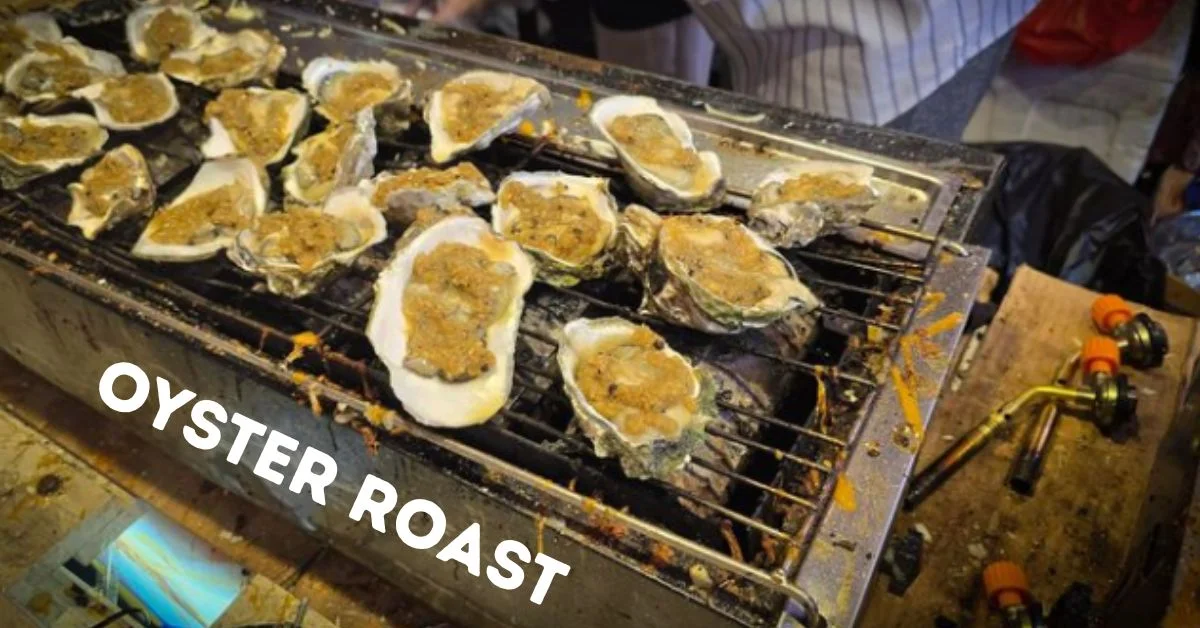
An oyster roast is a Southern coastal tradition where fresh oysters are steamed or roasted over an open fire, then dumped directly onto a table for guests to shuck and eat together. It is part cookout, part social event, and completely unique in the way it brings people together around simple, delicious food.
Many people want to host one but feel unsure about how to pull it off. How many oysters do you need? What equipment is required? How do you cook them right without overdoing it? This guide covers everything from planning and equipment to cooking, serving, and cleanup so you can host a great oyster roast whether it is your first time or your fifth.
What Is an Oyster Roast?
An oyster roast is exactly what it sounds like: a gathering where oysters are cooked in bulk, usually over high heat, and served straight from the cooking surface to a crowd. It is less about fine dining and more about the experience of eating together, getting your hands dirty, and enjoying fresh shellfish in a casual, communal setting.
Origins and Tradition
The oyster roast has deep roots in the Low country region of South Carolina and Georgia, where oysters were plentiful and feeding large groups of people inexpensively was a practical necessity. Native Americans in the region roasted oysters long before European settlers arrived, and coastal communities carried the tradition forward through generations.
Today, oyster roasts are common across the mid-Atlantic and Southeastern United States, especially from fall through early spring when oysters are at their best. Church fundraisers, family reunions, tailgates, and wedding receptions all use this format because it scales easily and costs less per person than most catered meals.
Read also: Tapioca Starch vs Tapioca Flour: What’s the Difference?
What Makes It Different from Other Seafood Events
Unlike a crab boil or shrimp boil where everything cooks together in a pot, an oyster roast keeps things simple. Oysters go directly onto a flat grate or metal sheet over fire, get covered with wet burlap, and steam in their own liquid for a few minutes. Then they get tossed onto a table and guests shuck them on the spot. There is no complicated seasoning process, no long prep time, and very little equipment beyond the basics.
Planning Your Oyster Roast
Good planning is what separates a smooth event from a stressful one. The main things to nail down early are quantity, budget, and location.
How Many Oysters Per Person
A commonly used rule is one dozen oysters per person as a side dish and two to three dozen per person if oysters are the main attraction. For a crowd of 20 guests where oysters are the centerpiece, plan on at least 40 to 60 dozen total. That sounds like a lot, but oysters are small and people tend to eat more than they expect.
A practical tip: order about 10 to 15 percent extra to account for any that do not open properly or arrive damaged. Running out of oysters at an oyster roast is the one thing guests will remember.
Budget and Cost Considerations
Oysters are priced by the bushel or by the dozen. A bushel holds roughly 100 oysters and typically costs between 35 and 60 dollars depending on the region and time of year. For a party of 20 people, you might need 4 to 6 bushels, putting your oyster cost alone at 140 to 360 dollars.
Additional costs to budget for include charcoal or wood, a metal roasting sheet or grill grate, gloves, shucking knives, burlap bags, side dishes, drinks, and disposable table coverings. A full setup for 20 people typically runs between 300 and 600 dollars total, which is still far cheaper than a catered dinner.
To save money, rent equipment instead of buying it if this is a one-time event. Many seafood suppliers or event rental companies carry roasting sheets and burners.
Choosing the Right Location
Oyster roasts work best outdoors. You are dealing with open flame, large quantities of shells, and significant steam, none of which are well suited to indoor spaces. A backyard, park pavilion, or beach area with enough flat ground is ideal.
Make sure the surface under your cooking area is non-flammable and that you have enough space to set up a separate eating table away from the heat source. Guests should not be standing near the fire while eating. At least 15 to 20 feet between the roasting station and the eating table is a good target.
Ingredients and Equipment Checklist
You do not need much to pull off a great oyster roast, but a few key items make a big difference in safety and quality.
Essential Tools and Setup
Here is what you need at minimum: a heavy metal sheet or expanded metal grate measuring at least 4 by 8 feet, cinder blocks or a steel frame to elevate it, a heat source (propane burner, fire pit, or hardwood fire), wet burlap sacks, thick welding gloves, oyster shucking knives, and a flat table for serving. Newspaper or brown paper works well to line the table, making cleanup simple.
A garden hose nearby is useful for keeping burlap wet and for rinsing hands. Trash cans or large buckets for shells should be placed right at the table edges.
Types of Oysters to Buy
Not all oysters taste the same. East Coast varieties like Blue Point, Wellfleet, and Chesapeake Bay oysters are briny and firm, which holds up well to roasting. Gulf Coast oysters tend to be larger and milder. Pacific oysters are buttery and work fine for roasting but are less traditional for this style of event.
Buy fresh, live oysters. A live oyster has a tightly closed shell or one that snaps shut when tapped. Avoid any that are already open and do not close, smell strongly of ammonia, or have cracked shells. Freshness is non-negotiable for both flavor and safety.
Optional Add-ons for a Better Experience
A few upgrades that experienced hosts swear by: a separate raw bar setup with ice for guests who prefer uncooked oysters, a cast iron pan for making small batches with butter and garlic, and a printed condiment station so guests can see all their topping options at once. These small touches take the event from basic to memorable.
Step-by-Step: How to Host an Oyster Roast
Once your setup is ready, the actual cooking process is simple. The key is staying organized and working in batches.
Preparing Oysters Safely
Scrub oysters under cold running water with a stiff brush before cooking to remove mud and debris. Do not soak them in water for long periods. Keep them in a cool shaded area or on ice right up until they go on the heat. Never leave raw oysters sitting in the sun.
Wear gloves when handling raw oysters. Their shells are sharp and can cause cuts. Anyone with a weakened immune system, liver disease, or shellfish allergies should not eat them, and this should be communicated to guests in advance.
Cooking Methods: Roasting, Steaming, and Grilling
The classic roast method: heat your grate until it is very hot, spread oysters in a single layer (cup side down so the liquid stays inside), cover with a wet burlap sack, and let them cook for 8 to 10 minutes. You will know they are done when the shells just begin to crack open slightly.
For a grilling approach, place oysters directly on a charcoal or gas grill over high heat and cook for 5 to 8 minutes with the lid closed. Some hosts add a small amount of butter, garlic, or hot sauce directly into the shell before closing the grill lid for added flavor.
Steaming in a large pot or turkey fryer is another option for smaller gatherings. Add 2 inches of water or beer to the pot, bring it to a boil, add oysters, cover, and steam for 5 to 7 minutes.
Timing and Batch Cooking
Do not cook all your oysters at once. Working in batches keeps the food coming out hot and gives you control over the process. A standard approach for a party of 20 is to cook one bushel at a time every 15 to 20 minutes.
Designate one or two people as the roasting crew. They manage the fire, rotate batches, and keep the burlap wet. This frees everyone else to eat, socialize, and actually enjoy the event.
How to Serve Oysters
Serving is where the oyster roast format really shines. It is hands-on and social by design.
Traditional Serving Style
Dump each batch directly onto the newspaper-lined table so guests can gather around and start shucking. Provide oyster knives and thick gloves or folded towels so no one cuts themselves. The idea is to eat them right off the table, hot from the grate.
Veteran hosts often place one experienced shucker at each end of the table to help beginners get started. This makes the experience less intimidating for first-timers and keeps things moving.
Sauces and Toppings
Classic condiments for an oyster roast include cocktail sauce, fresh horseradish, hot sauce, lemon wedges, and melted butter. More adventurous options include mignonette (a vinegar and shallot sauce), garlic butter with herbs, or a smoky chipotle aioli.
Set up condiments in small bowls or squeeze bottles along the center of the table so guests can reach them without crowding. Crackers, especially saltines, are a traditional pairing that cuts the richness of the oyster.
Side Dishes and Drink Pairings
Good side dishes for an oyster roast include coleslaw, corn on the cob, hush puppies, grilled bread, and baked beans. These are easy to prepare ahead of time and hold up well at outdoor temperatures.
For drinks, crisp white wines like Muscadet or Sauvignon Blanc pair naturally with oysters. Cold lager beer is the most common choice at casual roasts. For non-alcoholic options, sparkling water with citrus or sweet tea both work well.
Pro Tips for a Successful Oyster Roast
These are the things most guides leave out but experienced hosts learn the hard way.
Hosting and Guest Management Tips
Mark a clear path from the eating table to the trash bins so shell disposal does not create chaos. Assign someone to manage the shell buckets and clear them regularly. Full buckets next to where people are eating create mess and smell.
Brief your guests before the first batch comes out. A quick 60-second explanation of how to shuck an oyster, where the knives are, and where to throw shells will prevent confusion and keep everyone comfortable.
Flavor Upgrades and Variations
Try finishing a batch with a compound butter poured over the shells right before serving. A simple mix of softened butter, minced garlic, lemon zest, and fresh parsley transforms a standard roast into something guests will request again.
Another popular variation is the New Orleans-style char-grilled oyster, where oysters go cup-side down on a very hot grill until bubbling, then get topped with butter, parmesan, and herbs. This works beautifully as a specialty batch alongside the traditional roast.
Weather and Setup Adjustments
Wind is the enemy of an outdoor fire. Set up your roasting station with a windbreak if possible. Cold weather actually helps keep oysters fresh longer before cooking, so fall and winter roasts have a natural advantage. In hot weather, keep uncooked oysters on ice and work in smaller batches.
If rain is a possibility, have a canopy or tent ready. The cooking can continue in light rain, but guests need shelter to enjoy eating comfortably.
Common Mistakes to Avoid
Even experienced hosts can run into problems with a few recurring issues.
Storage and Freshness Errors
Storing oyster roast in an airtight container or submerged in fresh water kills them. Keep them in a breathable bag or open container covered loosely with a damp cloth, stored at 35 to 45 degrees Fahrenheit. Use them within one to two days of delivery for best quality.
Overcooking or Undercooking
Overcooked oyster roast turn rubbery and dry out quickly. The target is just barely open, with the meat still plump and slightly translucent. If a shell does not open after cooking, it either needs more time or should be discarded. Do not try to force it open and serve it.
Undercooked oysters from a raw oyster setup are safe if they are fresh and properly handled. But oysters that are supposed to be roasted and come off the heat still completely sealed and cold inside are not done.
Poor Planning Issues
Underestimating quantity is the most common hosting mistake. Having a backup plan, such as a bag of shrimp or a pot of chowder, ensures no one leaves hungry if you run short. Over-ordering oysters is rarely a problem because leftovers can be used in soups, pasta, or stuffing the next day.
Cleanup and Aftercare
Shells are heavy and add up fast. Plan for this before the event, not after.
Disposal of Shells
One bushel of oyster roast produces a significant volume of shell. Check with local authorities about composting or disposal options. Many coastal areas have shell recycling programs that use old shells for reef restoration projects. If not, shells can go in yard waste bins or be composted for garden use since they break down into beneficial calcium over time.
Cleaning Equipment
Rinse the metal roasting sheet while it is still warm. Once grease and debris dry and harden, they are much harder to remove. A wire brush and hot water handle most of the cleanup. Burlap sacks can be rinsed, dried, and reused if they are in good shape.
Leftover Handling
Cooked oysters that did not get eaten should be refrigerated within two hours and used within one day. They work well in chowder, pasta with cream sauce, or as a topping for grilled bread. Raw oysters that were not cooked should be stored properly and used within one to two days.
Conclusion
An oyster roast is one of the most rewarding ways to feed a group of people. It is low-cost compared to most events of similar scale, easy to execute once you understand the basics, and genuinely fun for guests of all experience levels. Get the quantities right, keep the oysters fresh, cook in batches, and set up your table with good condiments and clear shell disposal. Do that and you will have a successful event that guests talk about long after the shells are cleared?
FAQs
Can you host an oyster roast at home?
Yes, absolutely. A backyard with enough space for a small fire or propane burner, a metal grate, and a table is all you need. Many home hosts use a large charcoal grill or a simple cinder block setup. Start with a small batch of one or two dozen oysters to practice before scaling up for a party.
What is the best season for an oyster roast?
Fall and winter are traditionally the best seasons, roughly September through April. Oysters are at peak flavor during cooler months and were historically avoided in summer when water temperatures increase bacterial risk. Modern refrigeration and aquaculture have made oysters safer year-round, but the fall and winter season still produces the best-tasting ones.
Are raw oysters safe to eat?
Raw oysters from reputable suppliers are generally safe for healthy adults. However, people with liver disease, weakened immune systems, diabetes, or shellfish allergies face higher risks and should avoid them entirely. Always buy from a licensed seafood dealer and check that oysters are alive before eating them raw.
How do you know when roasted oysters are done?
Roasted oysters are done when the shells begin to open slightly, usually after 8 to 10 minutes over high heat. The meat inside should be plump and warm but not shriveled or dried out. Remove them promptly from the heat and serve immediately for the best texture and flavor.
What do you do if guests do not know how to shuck an oyster?
Have two or three experienced shockers available to help, especially during the first batch. A quick demonstration goes a long way. Place the oyster flat side up, insert the knife at the hinge, twist to pop it open, then slide the knife along the inside of the top shell to release the meat. Thick gloves make it much safer for beginners.
-
 Food1 month ago
Cuts of Steak: Complete Guide to Beef Cuts
-

 Food1 month ago
What Is Andouille Sausage? Complete Guide
-

 Food3 days ago
Shirleys Coffee Shop Guam Locations Menu and Guide
-

 Drinks2 weeks ago
Easy Lychee Martini Recipe Sweet & Floral Cocktail
-
 Food1 month ago
Ultimate Tripas Recipe and Cooking Guide
-

 Food1 week ago
Italian Ice Flavoring Guide: Flavors, Bases, and Recipes
-
 Food2 weeks ago
Black Pudding Guide: History, Recipe & Nutrition
-
 Blog4 weeks ago
Saltwater Kitchen & Sushi: Menu, Reviews, and Visitor Guide