
Drinks
Freeze Dried Instant Coffee: Complete Easy Guide

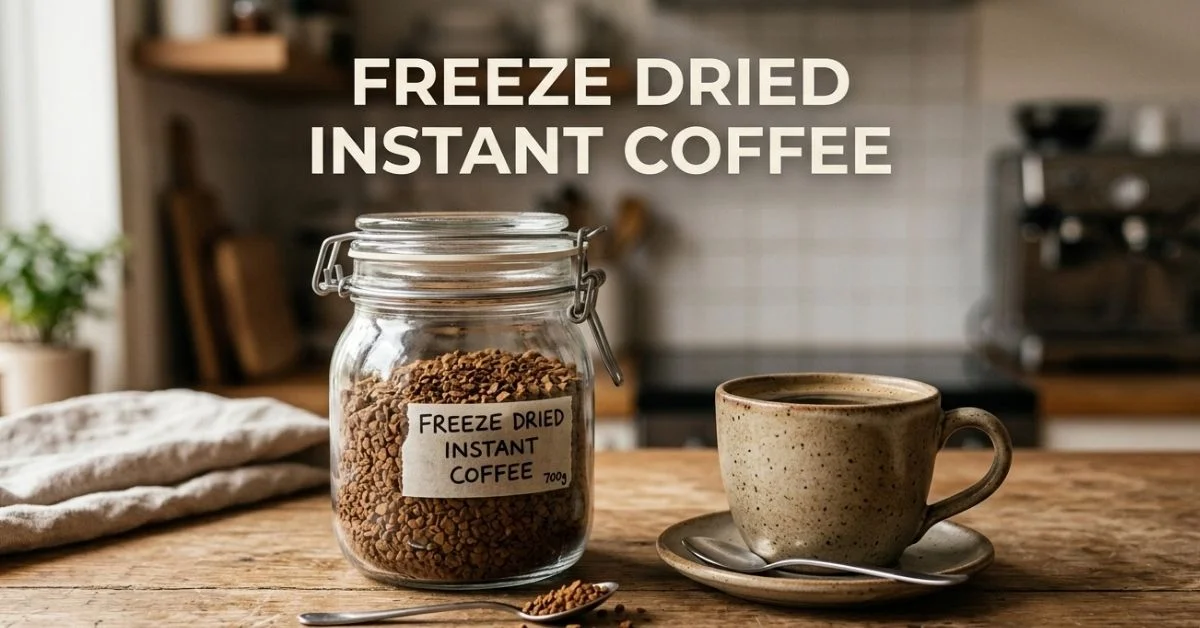
Coffee is a daily habit for many people, but making a fresh cup isn’t always practical. Brewing requires time, equipment, and consistency, while regular instant coffee often falls short in taste and quality. This creates a common problem: finding a coffee option that is both convenient and enjoyable. Freeze dried instant coffee addresses this gap by preserving more of the original flavor and aroma through a controlled drying process. It offers a quick, reliable way to prepare coffee without sacrificing too much quality. Understanding how it works, how it compares to other types, and how to choose the right product can help you make better decisions. This guide explains everything you need to know in a clear and practical way.
What Is Freeze Dried Instant Coffee?
Freeze dried instant coffee is a type of soluble coffee made by removing water from brewed coffee using a cold-based dehydration process. Instead of turning into fine powder, it forms dry coffee crystals that dissolve quickly in hot water.
Unlike regular instant coffee, which is often made using high heat, freeze drying protects delicate aroma compounds. This helps retain more of the original flavor from the coffee beans, especially when high-quality Arabica coffee is used.
In simple terms, it’s real brewed coffee that has been carefully dried so you can rehydrate it instantly. You just add hot water, and it returns to a drinkable form without needing any brewing equipment.
Read also: Easy Lychee Martini Recipe Sweet & Floral Cocktail
How Freeze Dried Instant Coffee Is Made
Step 1 – Brewing Concentrated Coffee
The process begins with brewing large batches of strong coffee using roasted coffee beans. This is similar to regular brewing but more concentrated to preserve flavor during drying.
Manufacturers usually focus on extracting essential compounds like oils and aroma elements. This stage plays a big role in final taste, especially depending on whether Arabica or Robusta coffee is used.
A well-executed coffee extraction ensures that the base liquid has enough depth and strength. If this step is weak, even advanced drying won’t improve the final product.
Step 2 – Freezing Process
Once brewed, the coffee is rapidly frozen at very low temperatures. This turns the liquid into solid blocks while locking in flavor and structure.
Fast freezing is important because it prevents large ice crystals from forming. Smaller crystals help preserve the internal structure of the coffee, which improves quality later.
At this stage, the coffee is fully solid but still contains water in frozen form. The next step removes that water without damaging the flavor.
Step 3 – Vacuum Drying (Sublimation)
The frozen coffee is placed in a vacuum chamber where pressure is reduced. Under these conditions, ice turns directly into vapor without becoming liquid. This is called sublimation.
This method is what makes freeze drying different from other dehydration processes. It avoids heat damage, which is why aroma compounds are better preserved compared to spray-dried coffee.
The result is dry coffee material with most of its original structure intact. This is key to maintaining flavor when the coffee is rehydrated.
Step 4 – Formation of Coffee Crystals

After drying, the remaining coffee solids are broken into granules or crystals. These are the familiar chunks you see in freeze dried instant coffee jars.
These coffee crystals dissolve easily in hot water while releasing aroma and flavor. The size and texture can vary depending on the brand and process used.
At this point, the product is packaged in airtight containers to protect it from moisture and air exposure. Proper packaging directly affects shelf life and freshness.
Freeze Dried vs Spray Dried Coffee
Key Differences in Process
Freeze dried instant coffee uses low-temperature sublimation, while spray-dried coffee relies on hot air to evaporate water quickly. This heat-based dehydration process is faster but less gentle.
Spray drying typically produces a fine powder, while freeze drying creates larger coffee crystals. The structure difference affects both texture and dissolution behavior.
The biggest distinction lies in how much flavor is preserved. Freeze drying retains more volatile compounds that give coffee its aroma and depth.
Taste and Aroma Comparison
Freeze dried coffee generally tastes closer to freshly brewed coffee. It keeps more natural notes, especially when made from quality beans.
Spray-dried coffee often has a flatter taste and can feel slightly burnt due to high heat exposure. This is why it’s usually found in cheaper instant coffee products.
That said, not all freeze dried options taste great. Quality still depends on the original coffee beans and how well the process is handled.
Which One Is Better?
If taste matters, freeze dried instant coffee is usually the better choice. It offers a more balanced flavor and a smoother drinking experience.
However, spray-dried coffee is cheaper and still works for basic needs. Some people prefer it for strong, bold flavor even if it lacks subtlety.
For most everyday users looking for convenience and decent taste, freeze dried coffee provides the best balance between quality and ease of use.
Taste, Aroma, and Quality Explained
Freeze dried instant coffee won’t fully match freshly brewed coffee, but it comes closer than most instant options. You can expect a cleaner taste with mild acidity and recognizable coffee notes.
Flavor depends heavily on the type of coffee beans used. Arabica tends to produce smoother and more aromatic results, while Robusta offers stronger and more bitter profiles.
Water quality and preparation method also matter. Using very hot but not boiling water often gives better results and helps preserve aroma during mixing.
Caffeine Content and Nutritional Facts
Freeze dried instant coffee contains caffeine levels similar to other instant coffee types. On average, one cup has around 60 to 90 mg of caffeine depending on strength.
The nutritional profile is simple. It has very few calories and no significant fat or sugar unless you add milk or sweeteners. It also contains small amounts of antioxidants found in coffee.
For most people, it’s safe to consume in moderation. However, those sensitive to caffeine should monitor intake, especially when drinking multiple cups throughout the day.
Benefits of Freeze Dried Instant Coffee
One of the biggest advantages is convenience. You don’t need a coffee maker, grinder, or filters. Just hot water and a cup are enough.
It also has a long shelf life compared to fresh coffee. When stored properly, it can last months or even years without losing much quality. This makes it a reliable option for storage.
Preparation is fast and consistent. Whether at home, in the office, or outdoors, you can get a predictable cup of coffee within seconds.
Drawbacks You Should Know
Despite improvements, freeze dried instant coffee still lacks the full complexity of freshly brewed coffee. Subtle flavors and texture are usually less pronounced.
Cost can also be slightly higher than basic instant coffee. Better processing and higher-quality beans contribute to the price difference.
Quality varies widely between brands. Some products use lower-grade coffee beans, which affects taste regardless of the freeze drying process.
How to Prepare Freeze Dried Coffee (Right Way)
Basic Method
Add one to two teaspoons of freeze dried instant coffee into a cup. Pour hot water over it and stir until the crystals dissolve completely.
The ratio depends on your taste preference. Start with less and adjust gradually to avoid making it too strong or too weak.
Using fresh, clean water improves the final flavor. Poor water quality can make even good coffee taste flat.
Tips to Improve Taste
Avoid boiling water directly from the kettle. Let it cool slightly before pouring to protect delicate aroma compounds.
You can enhance flavor by adding milk, cream, or a small pinch of salt to reduce bitterness. These small adjustments make a noticeable difference.
If possible, try different brands to find one that suits your taste. Not all freeze dried instant coffee is created equal.
Best Uses for Freeze Dried Coffee
Freeze dried instant coffee works well during travel. It takes up little space and doesn’t require equipment, making it ideal for flights, hotels, or road trips.
In office settings, it offers a quick solution when there’s no proper coffee setup. You can keep a jar at your desk and prepare it within seconds.
It’s also useful for camping or emergency kits. Its long shelf life and lightweight nature make it a practical option when resources are limited.
Shelf Life and Storage Tips
Freeze dried instant coffee has a long shelf life due to its low moisture content. Unopened, it can last for years without significant quality loss.
Once opened, exposure to air and humidity can affect flavor. Keeping it in an airtight container helps maintain freshness.
Store it in a cool, dry place away from sunlight. Avoid refrigeration unless the container is fully sealed, as moisture can damage the coffee crystals.
How to Choose the Best Freeze Dried Coffee
Bean Type (Arabica vs Robusta)
Arabica coffee usually delivers better flavor with smoother and more complex notes. It’s often preferred in higher-quality freeze dried products.
Robusta coffee contains more caffeine and has a stronger, more bitter taste. Some blends use both to balance cost and flavor.
Checking the bean type can give you a quick idea of what to expect in terms of taste and quality.
Brand Quality Indicators
Look for brands that mention sourcing details or roasting methods. Transparency often indicates better product quality.
Well-known specialty coffee brands sometimes offer freeze dried options with improved flavor profiles. These are worth trying if taste matters.
Avoid products with vague labeling or no information about the coffee origin. That usually signals lower quality.
Packaging and Freshness Clues
Good packaging protects the coffee from air and moisture. Glass jars or sealed pouches are commonly used for this reason.
Check for production or expiry dates to ensure freshness. Even though shelf life is long, newer products tend to taste better.
Resealable packaging is a practical feature that helps maintain quality after opening.
Common Myths about Instant Coffee
Many people believe instant coffee is always low quality. While that may be true for some products, freeze dried instant coffee offers a noticeable improvement.
Another common myth is that instant coffee has no real benefits. In reality, it still contains caffeine and antioxidants similar to brewed coffee.
The key difference lies in taste and experience. It may not replace specialty coffee, but it serves a different purpose effectively.
Is Freeze Dried Instant Coffee Worth It?
Freeze dried instant coffee is worth it for people who value convenience without completely sacrificing taste. It’s not perfect, but it performs well in everyday situations.
If you enjoy specialty coffee and have time to brew, fresh coffee will always be better. But for busy mornings or travel, instant options make sense.
The best approach is to treat it as a practical alternative, not a replacement. When used in the right context, it delivers exactly what most people need.
Conclusion
Freeze dried instant coffee offers a practical balance between convenience and quality. It keeps more flavor than regular instant coffee while staying easy to prepare anywhere. Understanding how it’s made and how it compares to spray-dried or fresh coffee helps you set the right expectations. It works best for travel, busy routines, or situations where brewing isn’t possible. Choosing better beans and storing it properly can improve your experience significantly. It may not replace freshly brewed coffee, but it fills a useful role in everyday life. If convenience matters to you, it’s worth trying a quality option and seeing how it fits your routine.
FAQs
What is freeze dried instant coffee made from?
It is made from brewed coffee that has been frozen and dried using a sublimation process, leaving behind soluble coffee crystals.
Does freeze dried instant coffee taste good?
It tastes better than regular instant coffee, with more aroma and smoother flavor, though it may not match freshly brewed coffee.
Is freeze dried coffee stronger than regular coffee?
It depends on how much you use, but caffeine levels are generally similar to other instant coffee types.
How long does freeze dried instant coffee last?
Unopened, it can last for years. Once opened, it stays fresh for months if stored properly in an airtight container.
Can you use cold water with freeze dried coffee?
Yes, but it dissolves faster and tastes better with hot water. Cold water may require more stirring.
Is freeze dried coffee better than spray-dried coffee?
Yes, in most cases it offers better flavor and aroma because the process preserves more of the original coffee characteristics.
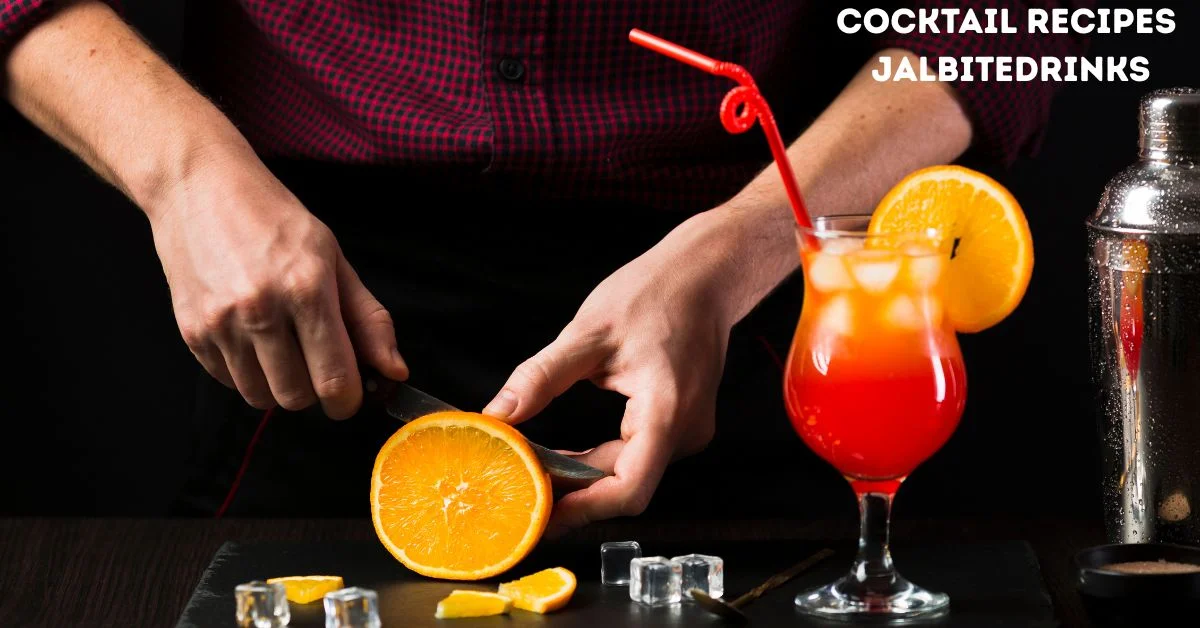
Okay, real talk, have you ever stood in your kitchen holding a bottle of rum, staring at it like it personally offended you, with zero clue what to actually do with it? I have been there more times than I want to admit. That is exactly why cocktail recipes jalbitedrinks clicked for me. This guide walks you through the core recipes, the simple formula behind all of them, what to do when you are missing an ingredient, and how to pick the right drink for the right moment. By the end, you will be mixing with actual confidence instead of just hoping for the best.
What Are Jalbitedrinks Cocktail Recipes?
Jalbitedrinks cocktail recipes are not just a random list of drinks thrown together. They follow a clear style built around balanced flavors, ingredients you can actually find at a regular store, and techniques that work even if you have never made a cocktail in your life. The whole point is drinks that taste like you put in serious effort but actually come together in under five minutes.
Read also: French Soda: Homemade Recipes & Flavor Guide
The Style and Philosophy Behind Jalbitedrinks Drinks
Here is the thing that makes these recipes different from most cocktail guides. A good drink does not need fifteen ingredients or a professional setup. Most Jalbitedrinks recipes use four to six components, and each one has a specific job to do. Nothing is there just to fill space. Every ingredient either builds the flavor base, adds depth, brightens the taste, or finishes the drink visually and aromatically.
Once you understand why each ingredient is there, you can swap things out, adjust on the fly, and still end up with something that works. That is a skill most recipe lists never bother to teach you.
Who These Recipes Are Made For
Beginners will find these recipes genuinely approachable because the steps are short and nothing requires special equipment. But if you already know your way around a shaker, there is still plenty of room to experiment once you understand the formula underneath each drink. Whether you are hosting ten people or just making something for yourself after a long day, there is a recipe here that fits the moment.
FEATURED SNIPPET ANSWER
Cocktail recipes jalbitedrinks are a collection of easy, flavor-forward drinks built around a simple formula: a base spirit, a flavor modifier, a brightener like citrus or tea, and a garnish. They are designed so anyone at home can mix professional-tasting cocktails without special training or equipment.
The Jalbitedrinks Cocktail Formula
You might be wondering why this section comes before the actual recipes. Honestly, this is the most useful thing in the entire guide. Every Jalbitedrinks cocktail follows the same four-layer structure. Learn this once and you will not need to follow a recipe card every single time.
Base Spirit: Choosing the Right Foundation
The base is your main alcohol and it sets the whole character of the drink. Vodka gives you a clean, neutral starting point. Rum adds natural sweetness and body. Whiskey brings warmth and depth. Tequila runs earthy and slightly bold. Gin is herbal and aromatic. Your choice of base is the first creative decision you make, and everything else builds around it.
A simple way to think about it: warm-weather and refreshing drinks lean toward vodka or tequila. Richer, more warming drinks go rum or whiskey. Gin is your go-to when you want something with a floral or herbal edge.
Modifier: Adding Depth and Character
The modifier is a secondary liquid that adds complexity to the drink. It could be a liqueur like triple sec, elderflower cordial, or amaretto. It could also be a flavored syrup, a dash of bitters, or even a tea concentrate. You use less of it than the base, usually around half to one-third the volume.
Think of your cocktail like a sentence. The base spirit is the subject and the modifier is the verb. It completely changes the direction of the whole thing.
Brightener: Citrus, Tea, or Infusion Layer
A brightener lifts the entire drink. Without it, most cocktails taste flat and a little heavy. Fresh lemon or lime juice is the most common choice. Cold-brewed hibiscus tea works beautifully in tequila drinks. A small splash of grapefruit juice adds a dry, bitter edge that cuts through sweetness really well.
I spent way too long ignoring the brightener layer when I first started mixing, and nearly every drink I made tasted dull. Adding just a little fresh citrus changed everything.
Tea infusions also belong here. Earl Grey steeped in cold water for four hours and added to gin creates a surprisingly elegant brightener with almost zero effort on your part.
Garnish: Finishing for Flavor AND Presentation
Let’s be honest, most people treat garnishes as decoration. They are not. A lime wedge squeezed over the glass just before drinking adds a genuine hit of fresh citrus. Lightly bruised mint releases aromatic oils into every sip you take. A thin slice of fresh chili on a tequila drink actually infuses into the liquid over time and adds slow heat.
The rule worth remembering is this if the garnish adds nothing to the flavor or aroma, it is optional. If it does something, it is essential.
How to Use This Formula to Build Any Jalbitedrinks-Style Drink
Pick a base, add a modifier at roughly half the base volume, add your brightener at a similar amount, shake or stir, pour, and garnish. That is actually it. Quick example: two ounces of vodka as the base, one ounce of elderflower cordial as the modifier, three-quarter ounce of fresh lemon juice as the brightener, and a sprig of fresh thyme as the garnish. You just built a complete Jalbitedrinks-style cocktail from scratch with no recipe card needed.
Essential Spirits Used in Jalbitedrinks Recipes
Vodka
Vodka is the most flexible spirit in this collection. Because it carries almost no flavor of its own, the modifier and brightener do all the heavy lifting. Citrus-forward, fruity, and herbal cocktails all sit comfortably on a vodka base. It is also the most forgiving starting point for beginners because mistakes are easier to fix.
Rum
Rum brings a natural sweetness that reduces how much syrup you need. Light rum suits tropical and fruity builds. Dark rum works better for richer, more indulgent recipes. Coconut rum sits somewhere between a base and a modifier and is particularly useful for tropical cocktails.
Whiskey
Whiskey cocktails tend to be warming and layered in flavor. Honey, ginger, lemon, and apple are all classic pairings. The most important thing to watch with whiskey is your ice. Too much dilution from melting ice flattens the flavor faster than you expect.
Tequila
Good tequila cocktails rely heavily on the brightener layer. Lime, hibiscus, grapefruit, and fresh jalapeño all work exceptionally well here. Use 100% agave tequila whenever you can. Blended or mixto tequilas tend to carry an artificial sweetness that is genuinely difficult to balance out.
Gin
Gin is the most ingredient-sensitive spirit in this guide. Different gins have wildly different botanical profiles, from light and cucumber-forward to heavily juniper and almost piney. Match your modifier to the specific gin you are using. A cucumber-forward gin loves elderflower. A juniper-heavy gin suits lemon and fresh herb combinations much better.
Beginner Jalbitedrinks Cocktail Recipes
Citrus Vodka Refresher
This is the easiest place to start and the most forgiving recipe in the collection. Add two ounces of vodka, one ounce of fresh lemon juice, and three-quarters of an ounce of simple syrup to a shaker filled with ice. Shake for ten to twelve seconds. Strain into a glass over fresh ice and top with a small splash of sparkling water. Garnish with a lemon slice. The result is bright, clean, and genuinely refreshing. Too tart? Add a small extra pour of syrup. Tastes flat? Squeeze a little more fresh lemon directly into the glass.
Classic Rum Breeze
Combine two ounces of light rum, one ounce of pineapple juice, half an ounce of lime juice, and half an ounce of coconut syrup in a shaker with ice. Shake well and pour unstrained so the ice stays in the glass. Garnish with a pineapple wedge or a small lime wheel. This one tastes tropical without being cloyingly sweet, as long as you do not overdo the coconut syrup.
Honey Whiskey Cooler
Start by stirring one teaspoon of honey with one ounce of hot water until it fully dissolves. Let it cool. That is your honey syrup. Then combine two ounces of whiskey, three-quarters of an ounce of fresh lemon juice, and three-quarters of an ounce of your honey syrup in a shaker with ice. Shake, strain into a glass over a large ice cube, and garnish with a thin lemon round. It is warming and slightly sweet and works just as well in December as it does in July.
Intermediate and Trending Jalbitedrinks Cocktails
Spiced Hibiscus Margarita
Steep two hibiscus tea bags in one cup of hot water for eight minutes to make a strong brew. Let it cool completely. Then combine two ounces of tequila, one ounce of triple sec, three-quarters of an ounce of fresh lime juice, and one ounce of the hibiscus tea in a shaker with ice. Shake and strain into a salt-rimmed glass over ice. Garnish with a dried hibiscus flower or a lime wedge. The hibiscus adds a deep, tart berry note that makes this far more interesting than a standard margarita.
Earl Grey Gin Sour
Cold brew two Earl Grey tea bags in one cup of cold water in the fridge for four hours. Remove the bags. Combine two ounces of gin, one ounce of fresh lemon juice, three-quarters of an ounce of simple syrup, and one ounce of your cold Earl Grey tea in a shaker. If you want a foamy, silky texture, add one egg white. Shake without ice first for fifteen seconds, then add ice and shake again. Strain into a coupe glass. The tea adds a subtle bergamot flavor that makes this drink feel genuinely sophisticated without being complicated.
Botanical Gin Sparkle
Muddle three thin cucumber slices and four mint leaves gently at the bottom of your shaker. Gentle is the key word here. Do not over-crush them. Add two ounces of gin, three-quarters of an ounce of elderflower liqueur, and half an ounce of lime juice. Add ice and shake. Double-strain into a tall glass over fresh ice and top with four to five ounces of tonic water. Stir once, very gently. Garnish with a cucumber ribbon. This one works incredibly well for guests who are not hardcore cocktail drinkers.
Ingredient Substitution Guide
This is what most recipe guides skip entirely, and it is also where most beginner frustration comes from. Running out of an ingredient halfway through a recipe does not have to mean starting over.
No Fresh Herbs? Here Is What to Use Instead
No fresh mint around? A small amount of mint bitters works as a reasonable substitute in built cocktails. For basil, a tiny drop of good quality basil-infused olive oil on the surface of a finished drink gives you a subtle aromatic effect without the fresh leaf. And if you have no fresh herbs at all, a citrus peel expressed over the glass gives you fragrance without needing any greenery whatsoever.
Alcohol-Free Swaps for Zero-Proof Versions
For the base spirit, non-alcoholic options like Seedlip or similar botanical distillates are widely available online and in specialty stores. If those are hard to find, a strong cold-brewed tea replaces the base volume in most recipes and still gives you real complexity. Replace triple sec with fresh orange juice plus a little orange zest steeped in simple syrup overnight.
Budget-Friendly Mixer Alternatives
Store-bought simple syrup can be swapped out for honey dissolved in warm water at a one-to-one ratio. Club soda with a fresh citrus squeeze will often stand in for tonic water, though you do lose some of the bitter edge. Bottled lemon juice is fine as a last resort, but fresh juice makes a noticeably better drink, so use it whenever you actually can.
How to Taste-Test and Balance Your Cocktail
Nobody really talks about this part, and they should. A recipe is a starting point, not a promise. Your lemon might be more tart than the one the recipe was written around. Your syrup might be thinner. Here is how to actually tell if your drink is working.
The Four Flavor Checks
Before pouring, taste a small amount straight from the shaker. Ask yourself four questions. Is it too sweet? Is it too sour? Does the alcohol feel harsh or does it feel balanced? Does it feel flat or does it feel vibrant? These four checks point you directly to whatever needs adjusting.
Too sweet means add more citrus or a small splash of club soda. Too sour means add a little more syrup, half a teaspoon at a time. Harsh alcohol usually means more mixing time or more ice. Flat taste almost always means more brightener, so squeeze fresh citrus directly into the glass.
Quick Fixes When Your Drink Tastes Off
If the drink tastes one-dimensional, add a single dash of aromatic bitters. It adds real depth to almost any cocktail without changing the main flavor profile at all. If it tastes too strong overall, resist the urge to just pile in more ice. Add a small splash of your brightener first and taste again. Ice dilutes slowly over time but it does not fix a ratio problem right away.
Common Beginner Mistakes and How to Avoid Them
Over-muddling herbs is the number one mistake I see. Crushing mint too hard releases bitter chlorophyll instead of the bright aromatic oils you actually want. A gentle press is all you need. Under-shaking is the second most common issue. Ten to twelve seconds of vigorous shaking is the minimum for a properly chilled and diluted drink. Under-shaking leaves everything tasting warm and a little sharp. And measuring by eye is mistake number three. Until you have made the same recipe at least twenty times, use a jigger. Half an ounce difference in citrus or syrup completely changes how the whole drink lands.
Customizing Jalbitedrinks Recipes for Any Occasion
Date Night for Two
For an intimate evening, you want drinks that feel special without pulling you into the kitchen every ten minutes. The Earl Grey Gin Sour or the Honey Whiskey Cooler both work really well here. Make them one at a time so every glass is perfectly fresh. Serve in proper glassware, even if that just means whatever wine glasses you have. Presentation genuinely matters more in this setting than in any other.
Prep your honey syrup and your cold brew tea in advance. That way you are not scrambling mid-conversation when you could be present instead.
Backyard BBQ for Ten or More
Batch cocktails are the only realistic option at this scale. Multiply all non-carbonated quantities by eight, mix everything in a pitcher, and refrigerate for up to two hours before the party starts. When guests arrive, pour over ice and top with the sparkling mixer individually. The Spiced Hibiscus Margarita batches especially well and looks incredible in a large glass dispenser.
Non-Drinkers at the Table
Build the zero-proof version using the exact same formula. Cold-brewed tea or a non-alcoholic botanical spirit as the base, the modifier and brightener exactly as written, and the same glassware and garnish. Non-drinkers genuinely appreciate being handed something that feels considered. A sparkling water with a lime wedge shoved in it says you forgot about them. A proper mocktail says you did not.
Mixers, Garnishes and Presentation Tips
Best Mixers by Spirit Type
Vodka plays well with almost anything. Elderflower tonic, cucumber water, and fresh grapefruit juice all work exceptionally. Rum loves pineapple, coconut water, and ginger beer. Whiskey pairs beautifully with ginger ale, apple juice, and honey-lemon combinations. Tequila suits lime, grapefruit soda, hibiscus, and jalapeño-based mixers particularly well. Gin is most at home with tonic, cucumber water, elderflower, and lemon.
Garnish Ideas That Add Flavor, Not Just Looks
Citrus wheels add real freshness when squeezed at the last second. Fresh herbs placed near the rim release aroma with every sip. Thin chili slices add slow building heat to spiced drinks over time. Dehydrated fruit slices bring a concentrated sweet-tart aroma that works beautifully in visual terms and flavor terms both. A salted or sugared rim changes the very first sip, priming your palate before the drink even fully arrives.
Glassware Guide
Highball glasses work for tall, ice-heavy drinks topped with soda. Coupe glasses are for shaken drinks served without ice, keeping the drink cold without diluting it. Rocks glasses suit spirit-forward cocktails served over a single large cube. Margarita glasses are traditional but completely optional. A rocks glass does the same job and is considerably easier to clean.
What Most People Get Wrong About Cocktail Recipes Jalbitedrinks
Most people approach cocktail recipes like assembly instructions, then feel like they did something wrong when the drink does not taste perfect. The reality is that every lemon, every honey, and every brand of spirit is slightly different. The recipe gives you the ratio and the method. Your own taste buds are supposed to handle the final adjustment.
The second thing people get wrong is assuming more ingredients equals a better drink. It rarely works that way. A three-ingredient cocktail made with fresh juice and decent spirits will almost always beat a seven-ingredient recipe built on bottled shortcuts. Simplicity done well wins every time.
Conclusion
Make one recipe three times before you move on to the next one. Repetition will teach you things that reading never can. Keep fresh citrus in your kitchen at all times. It is genuinely the most useful single ingredient across every category of cocktail recipe jalbitedrinks has to offer.
And here is the parting thought I would leave with any friend just getting started: learn the formula before you try to memorize individual recipes. Once you understand how base, modifier, brightener, and garnish work together, you can walk up to almost any set of ingredients and figure something out. That is the real skill. Not following a list, but eventually not needing one.
FAQs
What makes Jalbitedrinks cocktail recipes different from standard recipes?
The structure is what sets them apart. Standard recipes give you a list and some steps. Jalbitedrinks recipes follow a consistent formula that explains why each ingredient is there, so you can adapt and substitute without losing the whole drink in the process.
Can I make these cocktails without a cocktail shaker?
Yes, absolutely. A large mason jar with a tight-fitting lid works just as well as a shaker in a pinch. For stirred drinks, any tall glass and a long spoon gets the job done. The technique matters far more than the specific tool you use.
How do I scale a recipe for a large group?
Multiply all non-carbonated ingredients by the number of servings and mix them together in a pitcher. Add anything carbonated like soda or tonic individually when pouring each glass. Refrigerate the batch for up to two hours before serving, and do not add ice until you are actually pouring.
What is the best beginner cocktail to start with?
The Citrus Vodka Refresher is the most forgiving recipe in this entire guide. If it tastes off, the fix is almost always either more citrus or more syrup, both of which are quick and simple corrections.
Are there non-alcoholic versions of these recipes?
Every single recipe here can be adapted for zero-proof. Replace the base spirit with cold-brewed tea or a non-alcoholic botanical spirit, keep the modifier and brightener exactly as written, and the drink will still have real complexity and balance.
How do I know if my cocktail is properly balanced?
Taste a small amount from the shaker before you pour. If nothing jumps out at you as overwhelming, you are in the right place. A well-balanced cocktail tastes like one unified thing, not like separate ingredients that happen to be sharing the same glass.
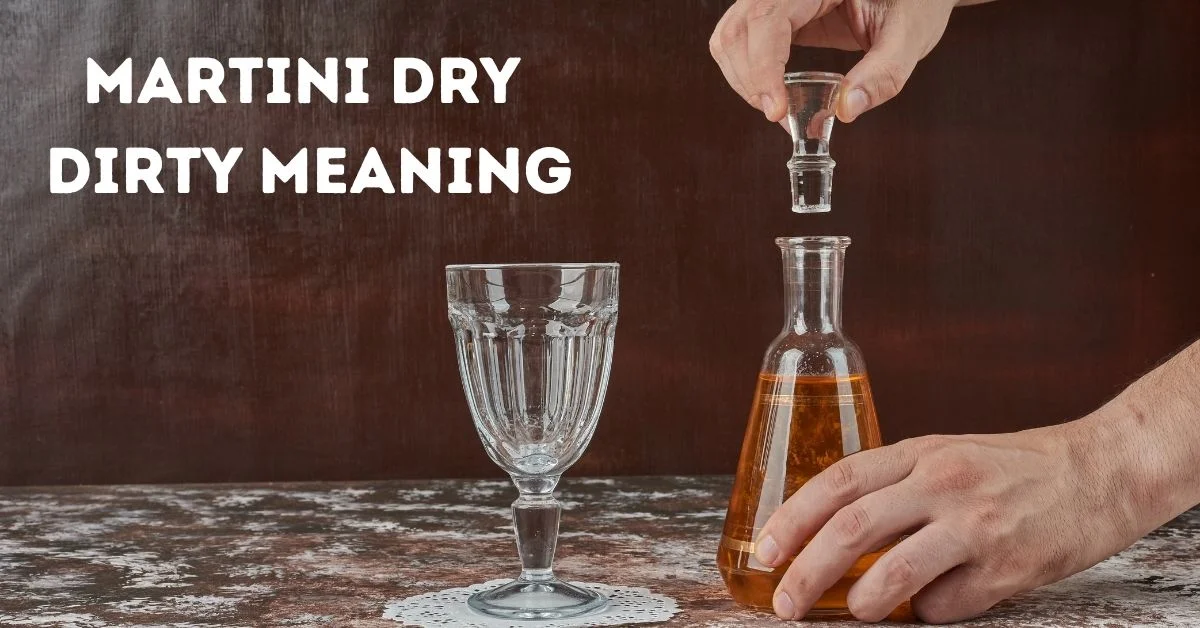
If you have ever stood at a bar staring at a cocktail menu and wondered what “dry” or “dirty” actually means in a martini, you are not alone. These terms confuse a lot of people, and bartenders hear the wrong orders all the time. The martini dry dirty meaning is simpler than it sounds once someone breaks it down properly. In this guide, you will learn exactly what each term means, how the drinks taste, how they differ, and how to order one with confidence the next time you walk up to a bar.
What Does “Dry” and “Dirty” Mean in a Martini?
Quick Simple Definition
Dry refers to how much vermouth is in your martini. Less vermouth means a drier martini. It has nothing to do with alcohol strength or whether the drink is literally dry.
Dirty refers to olive brine being added to the mix. That cloudy, slightly salty liquid from a jar of olives goes into the shaker, giving the drink a savory, briny flavor and a slightly murky appearance.
Both terms are about flavor and ingredient ratios, not about how strong the drink is.
Why These Terms Confuse People
The word “dry” in everyday life means no liquid or no moisture. So people naturally assume a dry martini is somehow less alcoholic or watered down. It is actually the opposite. Less vermouth means more gin or vodka filling that space, so a dry martini is typically stronger tasting, not weaker.
“Dirty” sounds like something went wrong with the drink. In reality, it is a deliberate and popular flavor addition that many people love.
Both terms came from bartending culture where shorthand language developed over decades, and they were never explained clearly to regular drinkers.
Read also: Can Kids Drink Kombucha? A Parent’s Complete Safety Guide
What Is a Dry Martini?
Ingredients and Ratio Explained
A classic martini is made with gin (or vodka) and dry vermouth, then stirred or shaken with ice and strained into a chilled glass. The standard ratio used to be around 2 parts spirit to 1 part vermouth, which is considered a “wet” martini by today’s standards.
A dry martini uses much less vermouth. A common modern ratio is 5 parts gin or vodka to 1 part vermouth, sometimes even less. Some bartenders will rinse the glass with vermouth and pour it out before adding the spirit, which gives just a whisper of vermouth flavor without any measurable quantity.
What “Extra Dry” Means
Extra dry takes this further. Some people order an extra dry martini and mean they want almost no vermouth at all, just a tiny splash or none. There is even a famous joke about holding the vermouth bottle near the glass without pouring, which captures how minimal the addition becomes.
If you order extra dry, expect a very clean, pure spirit flavor with barely any sweetness or herbal note from the vermouth.
Taste Profile of a Dry Martini
A dry martini tastes clean, crisp, and spirit-forward. The botanicals of gin come through strongly, or if you use vodka, the flavor is smooth and almost neutral. There is a very subtle hint of herbal dryness from the small amount of vermouth. It finishes sharp and cold. No sweetness, no saltiness, just pure cocktail character.
What Is a Dirty Martini?
What Makes It “Dirty” (Olive Brine Explained)
When you add olive brine to a martini, it becomes dirty. Olive brine is the liquid sitting in a jar of olives. It is salty, slightly tangy, and has a very distinct savory flavor. Adding it to the spirit and vermouth mix changes the whole character of the drink.
The drink also becomes slightly cloudy or murky in appearance, which is likely where the “dirty” name came from visually.
How Much Brine Is Used (Dirty vs Extra Dirty)
A standard dirty martini typically uses around half an ounce to one ounce of olive brine. You can feel the saltiness but the spirit still comes through clearly.
An extra dirty martini uses significantly more brine, sometimes up to two ounces. The drink becomes noticeably saltier, cloudier, and the olive flavor dominates. Some people love this. Others find it overwhelming. It really depends on how much you enjoy that briny, savory taste.
Taste Profile of a Dirty Martini
A dirty martini tastes savory, salty, and rich. The olive brine softens the sharpness of the alcohol and adds a layer of complexity. It does not taste like you are drinking olive juice straight, but that earthy, salty note is definitely present and unmistakable. Many people find dirty martinis more approachable because the salt takes the edge off the straight spirit flavor.
Dry vs Dirty Martini: Key Differences
Side-by-Side Comparison
Dry Martini: made with gin or vodka, small amount of vermouth, no olive brine, clear appearance, crisp and spirit-forward taste, garnished with a lemon twist or olive.
Dirty Martini: made with gin or vodka, small to moderate vermouth, olive brine added, slightly cloudy appearance, savory and salty taste, almost always garnished with one or more olives.
Flavor, Ingredients, and Appearance Differences
The flavor gap between these two drinks is significant. A dry martini is clean and sharp. A dirty martini is salty and complex. They use the same base spirit but taste like completely different experiences.
Appearance also differs noticeably. A dry martini is crystal clear in the glass. A dirty martini looks slightly hazy or milky because of the brine. If someone puts two glasses in front of you, you can usually tell which is which before even tasting them.
What Most People Get Wrong About Martini Terms
This is where most people go wrong, including people who drink martinis regularly. Dry does not mean more alcohol. Dirty does not mean low quality. And ordering a martini without specifying these terms just means you get whatever the bartender considers standard, which varies by bar.
Many people also confuse “dry” the vermouth modifier with “dry” the style of vermouth itself. Dry vermouth is a type of vermouth (as opposed to sweet vermouth). When someone orders a dry martini, they mean less of the dry vermouth, not a different type of vermouth. Two completely different uses of the same word, which understandably creates confusion.
Also worth knowing: you can be both dry and dirty at the same time. A dry dirty martini means less vermouth but with olive brine. Yes, that is a real order and a very popular one.
Other Common Martini Terms You Should Know
Wet Martini
A wet martini uses more vermouth than the standard dry ratio. Some people prefer the herbal, slightly sweet quality vermouth adds. If you enjoy wine-forward flavors, a wet martini might suit you better than a very dry one.
Straight Up vs On the Rocks
Straight up means the drink was chilled with ice during shaking or stirring, then strained into a glass without ice. The glass itself should be chilled. This is how martinis are almost always served.
On the rocks means poured over ice directly in the glass. Some people prefer this because the ice continues to chill and slightly dilute the drink as they sip.
Neat vs Chilled
Neat means room temperature spirit poured with no ice and no mixing. You would not typically order a martini neat since by definition a martini involves mixing. If someone says neat in a martini context, they usually mean straight up and are using the word loosely.
How to Order a Martini at a Bar
Simple Order Examples
Here are some real scripts you can use directly:
“I’ll have a vodka martini, dry, with a twist please.” This gives you a clean, sharp martini with a lemon peel garnish.
“Can I get a gin martini, dirty, extra cold?” This means olive brine is going in, and you want it well chilled.
“A vodka martini, dry dirty, with olives.” This is the popular combination: minimal vermouth, olive brine added, garnished with olives.
“Extra dirty gin martini, up.” Maximum brine, no ice in the final glass.
Customizing Your Martini Like a Pro
Once you know the terms, you can build your exact order. Start by choosing your spirit: gin or vodka. Decide your vermouth level: wet, standard, dry, or extra dry. Decide if you want brine: none (clean), dirty, or extra dirty. Choose your garnish: olive, lemon twist, or both. Decide your serve: straight up or on the rocks.
You can mix and match freely. A “dry dirty vodka martini up with three olives” is a completely valid and specific order that any bartender will understand immediately.
Common Mistakes When Ordering a Martini
Misunderstanding “Dry”
The most common mistake is thinking dry means less alcohol or a lighter drink. Dry only refers to vermouth quantity. A dry martini is actually spirit-heavy, which means it tastes stronger, not weaker. If you want a lighter experience, a wetter martini with more vermouth would soften the spirit more.
Ordering Without Knowing Preferences
Walking up to a bar and just saying “I’ll have a martini” puts everything in the bartender’s hands. That is fine if you trust them, but if you have specific taste preferences, you will likely get something that does not match what you had in mind. Knowing the basic terms lets you steer the order in the direction you actually want.
Another mistake is forgetting to specify gin or vodka. Traditionally, a martini uses gin. Many modern bars default to vodka. If you have a preference, always state it.
My Experience with Martini Dry Dirty Meaning
The first time I ordered a dirty martini thinking it would taste like regular cocktails, I was caught off guard by how savory it was. It was not bad at all, just completely different from what I expected. Once I understood that the olive brine was doing that, the whole thing clicked. Now when I see someone order at a bar and look confused by the result, it is almost always because they did not know these terms. Knowing the language genuinely changes how you enjoy ordering drinks.
Which One Should You Choose?
Based on Taste Preference
If you enjoy clean, crisp, spirit-forward drinks with minimal sweetness, go dry. If you prefer savory, salty, rounded flavors that take the sharp edge off the alcohol, go dirty. If you want the best of both, order dry dirty.
Beginner Recommendations
If you are new to martinis, a dirty martini is often more approachable. The brine softens the alcohol hit and gives you something familiar to hold onto flavor-wise. A very dry or extra dry martini is an acquired taste that suits people who already enjoy straight spirits.
Start somewhere in the middle. A standard martini with a small amount of vermouth and just a touch of olive brine is a good entry point before you go fully dry or extra dirty.
Conclusion
The martini dry dirty meaning comes down to two simple things. Dry tells the bartender how much vermouth to use. Dirty tells them to add olive brine. Neither term affects how alcoholic the drink is, they both affect flavor and character. Once you know this, ordering a martini goes from intimidating to easy. Pick your spirit, decide your vermouth level, choose whether you want brine, and tell the bartender exactly what you want. That is really all there is to it.
FAQs
Is a dirty martini stronger than a dry martini?
Not necessarily. Strength depends on how much spirit versus vermouth is used. A dry martini with very little vermouth is technically spirit-heavy. A dirty martini with olive brine does not add alcohol, just flavor. Both can be equally strong depending on the ratio.
Can a martini be both dry and dirty?
Yes, absolutely. A dry dirty martini is one of the most popular custom orders. It means you want minimal vermouth and olive brine added. The result is a clean, spirit-forward drink with a savory, salty edge.
What is the most popular martini style?
Vodka martinis served dirty or slightly dirty are among the most ordered martini styles in modern bars. The espresso martini has also become extremely popular. Classic gin martinis, dry with a twist, remain the traditional favorite among gin drinkers.
Does “dry” mean no vermouth at all?
Not technically, but in practice some bartenders interpret extra dry as no vermouth. A standard dry martini still has a small amount. If you want zero vermouth, say “no vermouth” or “bone dry” to make it completely clear.
What garnish goes with each style?
A dry martini is traditionally garnished with a lemon twist or a single olive. A dirty martini almost always comes with olives, often two or three on a skewer, since the olive theme matches the brine flavor in the drink.
Can kids drink kombucha is one of those questions where parents get ten different answers from ten different sources. The short answer is: it depends on the child’s age, the type of kombucha, and how much is given. This is not a simple yes or no, and that confusion is exactly why this guide exists.
Kombucha has become a popular health drink for adults, and naturally parents wonder if it carries the same benefits for children. But what works for a grown adult does not automatically work for a developing child. This article breaks down the real risks, the potential benefits, age-appropriate guidelines, and practical tips so you can make an informed decision for your family.
Can Kids Drink Kombucha? (Quick Answer for Parents)
Is it safe or not?
Kombucha is not unsafe by definition, but it is not designed for children either. Most pediatric and nutrition experts consider kombucha to be an adult drink due to its alcohol content, caffeine, high acidity, and unpredictable probiotic load. For older children (above 8 to 10 years), a small occasional serving of a low-sugar, commercially produced kombucha is generally considered low risk. For toddlers and younger children, it is best avoided entirely.
Snippet answer:
Kombucha is generally not recommended for young children under 4 years old due to its alcohol content, caffeine, and acidity. Older children may have small amounts of commercial kombucha occasionally, but it should never replace water, milk, or other age-appropriate drinks. Always consult a pediatrician before introducing it.
Key factors parents should know
The safety of kombucha for kids comes down to four things: alcohol percentage, sugar content, caffeine level, and whether it is store-bought or homemade. Each of these factors changes the risk picture significantly. A flavored commercial kombucha with 0.5% alcohol is very different from a batch brewed at home where fermentation has not been properly monitored.
Read also: Easy Lychee Martini Recipe Sweet & Floral Cocktail
What Is Kombucha Made Of?
Ingredients explained simply
Kombucha starts with four basic ingredients: tea, sugar, water, and a SCOBY (symbiotic culture of bacteria and yeast). The SCOBY ferments the sweet tea over one to four weeks, converting sugar into organic acids, small amounts of alcohol, carbon dioxide, and a range of probiotics and enzymes.
The result is a fizzy, tangy drink that contains live cultures, trace alcohol, residual sugar, and naturally occurring caffeine from the tea base.
Why it contains caffeine and small amounts of alcohol
Because kombucha is brewed from tea (usually black or green tea), it retains caffeine even after fermentation. The amount varies but typically ranges from 10 to 25 mg per 8 oz serving, which is lower than a cup of coffee but still significant for a small child.
Alcohol is an unavoidable byproduct of yeast fermentation. Commercial kombucha sold as non-alcoholic must stay under 0.5% ABV by law in most countries. However, homemade kombucha can easily exceed this if the brew is not carefully managed.
Potential Benefits of Kombucha for Kids
Gut health and probiotics
Kombucha contains live bacteria and yeast strains that may support digestive health. For children who struggle with irregular digestion or have been on antibiotics, introducing beneficial bacteria into the gut can be helpful.
That said, kombucha is not the only or even the best source of probiotics for kids. Plain yogurt, kefir, and probiotic supplements are generally safer and more appropriate options for young children.
Immune support: what is proven vs what is not
Some parents assume kombucha is a gut-to-immune booster for their kids. While there is a genuine connection between gut microbiome health and immune function, the direct immune benefits of kombucha in children have not been clinically studied or proven.
The antioxidants present in kombucha (from the tea base) may offer minor benefits, but claiming it significantly boosts a child’s immunity is overstating what the current evidence supports.
Risks of Kombucha for Children
Alcohol content concerns
This is the most important risk and the one most parents underestimate. Even at 0.5% ABV, a child who drinks a full 16 oz bottle of kombucha is consuming a measurable amount of alcohol. Children metabolize alcohol far less efficiently than adults, and even small amounts can have an effect.
For toddlers and young children, this risk is real and not worth taking. For older kids, a small 2 to 4 oz serving of commercial kombucha is unlikely to cause harm, but parents should still be aware.
Sugar levels and dental health
Many commercial kombucha brands are heavily sweetened to improve flavor. Some bottles contain 10 to 16 grams of sugar per serving, which is comparable to some sodas. High sugar consumption in children is already a concern for dental health, weight management, and blood sugar balance. Adding kombucha as a daily drink without checking the sugar content would be a mistake.
Always read the label. Aim for kombucha with under 6 grams of sugar per 8 oz serving if giving it to children.
Caffeine effects on kids
Children are more sensitive to caffeine than adults. Even the relatively low amount of caffeine in kombucha can cause restlessness, difficulty sleeping, or irritability in younger children. The American Academy of Pediatrics recommends that children under 12 avoid caffeine altogether.
This alone makes kombucha a questionable choice for children under 10, particularly if given in the afternoon or evening.
Risk of contamination, especially homemade
Homemade kombucha is significantly riskier for children than store-bought. The fermentation process, if not properly controlled, can lead to contamination from harmful bacteria or mold. There have been documented cases of illness from improperly brewed kombucha, including severe acidosis.
Children with developing immune systems are far more vulnerable to these risks. If you are going to let a child try kombucha, always use a reputable commercial brand, not a home brew.
What Age Can Kids Start Drinking Kombucha?
Toddlers vs older children
Snippet answer: Kombucha is not appropriate for toddlers under 4 years old. The alcohol content, caffeine, and high acidity pose real risks to young children whose bodies are still developing. For children between 4 and 8, small amounts of very mild, low-sugar commercial kombucha may be acceptable occasionally. Children 8 and older can generally tolerate a small serving without significant concern.
For toddlers specifically, the gut microbiome is still being established. Introducing a fermented drink with live cultures at this stage can potentially disrupt this process rather than support it.
Pediatric recommendations
There are no official pediatric guidelines specifically about kombucha from major health organizations like the AAP or WHO. Most pediatricians take a cautious approach and do not encourage it for children under 12. Some are comfortable with occasional small amounts for older kids, provided the child is healthy and has no underlying conditions.
When in doubt, ask your child’s doctor before introducing kombucha. This is especially important for children with any chronic health conditions or compromised immunity.
How Much Kombucha Is Safe for Kids?
Recommended serving size
If you decide to introduce kombucha to a child over age 6, keep serving sizes very small. A reasonable starting amount is 1 to 2 oz, diluted with water. For older kids aged 10 to 12, 4 oz (half a cup) is a sensible upper limit per serving.
Never let a child finish a full commercial bottle (typically 16 oz) in one sitting.
How often is okay
Kombucha should not be a daily drink for children. Think of it more as an occasional treat rather than a health supplement. Once or twice a week at most, in small servings, is a reasonable approach for children in the appropriate age range.
Daily kombucha consumption in kids has not been studied for safety, and given the cumulative caffeine and sugar intake, it is not something to make a habit of.
How to Choose Safe Kombucha for Kids
Store-bought vs homemade
Always choose store-bought kombucha for children. Commercial brands are regulated, tested, and required to maintain alcohol levels below 0.5% ABV. Homemade kombucha does not come with those guarantees and can have highly variable alcohol content, pH levels, and contamination risk.
What to look for on labels
Check these things before giving kombucha to a child:
Sugar content: Under 6g per 8 oz serving is ideal. Anything above 10g is too high for a child-friendly drink.
Alcohol content: Look for labels that clearly state “non-alcoholic” or less than 0.5% ABV.
Caffeine level: Some brands now offer lower-caffeine versions made with green tea or herbal blends.
Live cultures: If the goal is gut health, confirm the bottle says “raw” or “unpasteurized,” meaning the cultures are still active.
Low sugar and low alcohol options
Brands like GT’s Kombucha (their Synergy line), Health-Ade, and Brew Dr. all offer options with relatively lower sugar. Some brands now market specific low-sugar or “light” varieties. Avoid heavily flavored seasonal varieties that often pack in extra sugar from fruit juices or syrups.
Tips for Introducing Kombucha to Kids
Start with small amounts
Do not hand a child a full glass of kombucha the first time. Start with a tablespoon or two mixed into water or a small smoothie. Watch how they respond over the next few hours.
Diluting with water or juice
Diluting kombucha cuts down the acidity, sugar, and alcohol per ounce. A 50/50 mix of kombucha and water is a gentle starting point. Some parents mix it with a small amount of apple juice to improve the flavor for kids who find kombucha too tart.
Monitoring for reactions
Some children may experience bloating, gas, loose stools, or stomach cramps from kombucha, especially if they are sensitive to fermented foods. If any of these symptoms appear after a small serving, stop giving it and consult a doctor.
Children with a history of digestive issues, food allergies, or sensitivity to fermented foods should be especially closely monitored.
What Most Parents Get Wrong About Kombucha and Kids
This is worth addressing directly because it comes up a lot. Many parents assume that because kombucha is natural and full of probiotics, it is automatically good for their children. That logic does not hold up when you look at what is actually in the drink.
Natural does not mean safe for all ages. Alcohol is natural. Caffeine is natural. High acidity is natural. None of those things are appropriate for young children in the amounts found in kombucha.
The other common mistake is comparing kombucha to yogurt or kefir. Yogurt and kefir are dairy-based, regulated, and contain far fewer variables. Kombucha is a live-fermented beverage with genuine alcohol content and caffeine. The comparison is not accurate.
If you want to support your child’s gut health, starting with probiotic-rich foods like yogurt, kefir, miso in small amounts, or a pediatric probiotic supplement is a far safer and more effective approach than kombucha.
When Kids Should Avoid Kombucha
Medical conditions or sensitivities
Children with the following conditions should not have kombucha without explicit medical approval:
Inflammatory bowel disease (IBD) or irritable bowel syndrome (IBS): Kombucha’s acidity and live cultures can aggravate these conditions.
Type 1 diabetes: The sugar content and possible effect on gut bacteria may be concerning.
Kidney or liver conditions: These organs process the organic acids in kombucha, and impaired function means less ability to handle these compounds.
Sensitivity to fermented or acidic foods: If a child already reacts to things like vinegar, sourdough, or yogurt, kombucha is likely to cause problems.
Weakened immune systems
Children who are immunocompromised (from illness, medication, or genetic conditions) should avoid kombucha entirely. The live cultures in kombucha, while harmless to healthy individuals, can pose a genuine infection risk to a child whose immune system cannot properly manage them.
My Experience Observing Kombucha Use in Kids
I have spoken with a number of parents over the years who have tried giving their children kombucha with mixed results. A common pattern I have noticed: older kids aged 10 to 12 who tried small amounts occasionally seemed to tolerate it fine, especially when it was diluted. Younger kids, particularly those under 6, often reacted with stomach discomfort or were simply put off by the taste and fizz. A few parents reported their children liked the fizzy aspect but found the flavor too sour without significant dilution. The parents who had the best experiences were those who treated it as an occasional drink in very small amounts, not a daily health supplement.
Kombucha vs Other Drinks for Kids
Compared to soda and juice
Kombucha does come out ahead of soda in a few ways. It has less sugar than most sodas (when you choose the right brand), contains no artificial colors or flavors, and actually delivers live cultures that soda does not.
Compared to fruit juice, the picture is more complicated. Juice does not have alcohol or caffeine, which immediately makes it safer for young children. But juice is high in sugar and lacks the probiotic content. For kids old enough to tolerate it, low-sugar kombucha is arguably a smarter occasional choice than a daily glass of juice.
Snippet answer: Kombucha has less sugar than most sodas and contains beneficial probiotics, but it also has alcohol content and caffeine that fruit juice does not. For children, low-sugar fruit juice or water remains the safer daily drink. Kombucha, if introduced at all, should be an occasional option, not a replacement for more age-appropriate beverages.
Compared to probiotic drinks
This is where kombucha struggles to justify itself as a kid-specific drink. Products like Yakult, kefir-based drinks, or pediatric probiotic supplements deliver gut-supporting bacteria without the caffeine, alcohol, or high acidity of kombucha. For children specifically, these are safer, more controlled alternatives.
If gut health support is the goal, a child-specific probiotic supplement is a better tool than kombucha, especially for children under 10.
Common Questions Parents Ask
Can kids drink kombucha daily?
No. Daily kombucha consumption is not appropriate for children. The cumulative caffeine, acidity, and sugar from daily use outweigh any probiotic benefits. Once or twice a week in small amounts is a more reasonable limit if you choose to give it at all.
Can kombucha upset a child’s stomach?
Yes, it can. The live cultures, carbonation, and acidity in kombucha can cause bloating, gas, nausea, or loose stools in children, particularly those who are not used to fermented foods. Starting with a very small diluted amount helps identify whether a child’s digestive system tolerates it well.
Is flavored kombucha safe for kids?
Flavored kombucha (strawberry, mango, ginger, etc.) is not necessarily safer than plain kombucha. In fact, flavored varieties often contain significantly more sugar from added fruit juices or purees. Always check the sugar content on flavored versions, as they can be much higher than the plain base.
Conclusion
Kombucha is not a dangerous drink, but it is also not a children’s drink. The combination of alcohol, caffeine, high acidity, and variable sugar content means it comes with real considerations for young digestive and immune systems.
For children under 4, avoid it entirely. For children between 4 and 8, there is very little reason to introduce it, and safer probiotic options exist. For older children aged 8 to 12, small occasional servings of a low-sugar, commercial kombucha are unlikely to cause harm but offer limited benefits over safer alternatives.
If you want to support your child’s gut health, prioritize yogurt, kefir, and age-appropriate probiotic supplements. These deliver the same microbiome benefits without the risks that come with a fermented, caffeinated, mildly alcoholic beverage.
If your child is curious and old enough, a small diluted taste of kombucha on occasion is not going to cause harm. Just do not treat it as a health drink they need daily. And as always, check with your pediatrician before making it part of your child’s routine.
FAQ
At what age can a child safely try kombucha?
Most experts suggest waiting until at least 8 to 10 years old before introducing kombucha. Even then, start with a very small diluted serving. Toddlers and children under 4 should not have it at all.
Does kombucha have alcohol that can harm children?
Commercial kombucha contains up to 0.5% ABV, which is a small amount but still noteworthy for young children who metabolize alcohol differently than adults. It is not enough to cause intoxication in a sip or two, but regular consumption in larger amounts could be a concern.
What are the side effects of kombucha in children?
Most common side effects include stomach bloating, gas, loose stools, and nausea, particularly on first introduction. In rare cases with homemade kombucha, there is risk of more serious bacterial contamination.
Can kombucha replace probiotic supplements for kids?
No. Probiotic supplements designed for children are a safer, more precise option for gut health. Kombucha is not a substitute, and the probiotic strains in kombucha are not as consistent or targeted as those in pediatric supplements.
Is ginger kombucha safe for kids?
Ginger kombucha is not inherently safer or more dangerous than other varieties. The alcohol, caffeine, and sugar concerns remain the same. Ginger itself is generally fine in small amounts, but check the sugar content on ginger-flavored versions as they can vary widely.
-

 Tech1 week ago
Instatroid Explained: Easy & Safe Instagram Viewer Guide
-
 Food1 week ago
Cuts of Steak: Complete Guide to Beef Cuts
-

 Food1 week ago
Wagyu Beef Price per Pound: Complete Cost Guide
-

 Food1 week ago
What Is Andouille Sausage? Complete Guide
-

 Food1 week ago
Shirleys Coffee Shop Guam Locations Menu and Guide
-

 Food1 week ago
Ultimate Tripas Recipe and Cooking Guide
-

 Tech2 weeks ago
DemonScans Review: Is It Safe for Manga Readers?
-

 Food1 week ago
Italian Ice Flavoring Guide: Flavors, Bases, and Recipes