
Food
Senza Gluten Profile: Guide to Gluten Free Italian Food

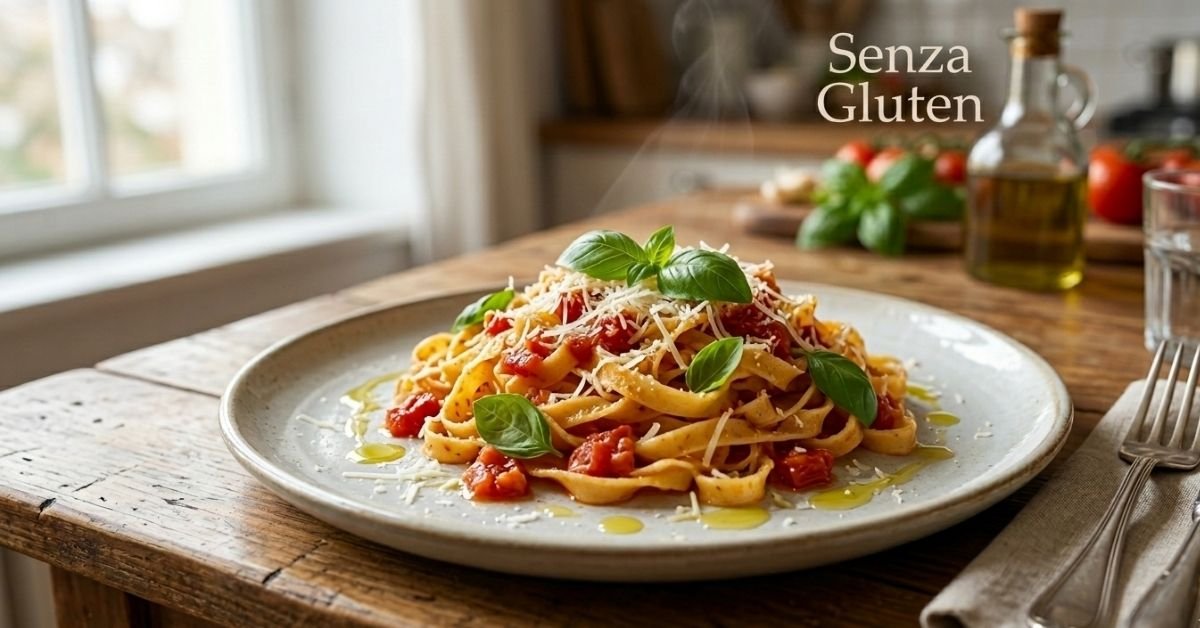
The phrase senza gluten comes from Italian language and it simply means without gluten. Gluten is a protein found in wheat, barley, and rye. Many people avoid it because of health reasons like celiac disease, gluten sensitivity, or personal diet choices. When a food label says senza gluten, it means the food is made without these grains or ingredients that contain gluten. This helps people enjoy meals without worrying about gluten reactions.
In Italian cooking the idea of senza gluten has become very popular. Traditional Italian food often uses wheat flour in pasta, bread, and pizza. Because of this, restaurants and food brands started creating gluten free versions of classic dishes. Today many chefs prepare pasta, pizza dough, risotto, and desserts using gluten free ingredients. This keeps the taste close to the original while making the food safe for people who cannot eat gluten.
The senza gluten concept is also important in modern food culture. Many restaurants, bakeries, and packaged food companies now offer full gluten free menus. Some places even run kitchens that are completely gluten free to avoid cross contamination. Because of this, people with gluten intolerance can eat out with more confidence and enjoy traditional foods again.
The Story Behind Senza Gluten Restaurants
One of the most famous examples of the senza gluten concept is the restaurant called Senza Gluten in New York City. It became well known because the entire menu is gluten free while still serving authentic Italian dishes. The restaurant opened in Greenwich Village and quickly gained attention from people who follow gluten free diets.
The goal of the restaurant was simple. The chefs wanted to recreate classic Italian meals without using wheat. Instead of traditional flour they used alternatives like rice flour, corn flour, and gluten free blends. This allowed them to make pasta, bread, and desserts that look and taste like traditional recipes but remain safe for gluten sensitive diners.
Over time the restaurant became popular among both gluten free and regular diners. Many visitors say they cannot even notice the difference between normal pasta and gluten free pasta. This success helped show that gluten free cooking can still be rich, flavorful, and satisfying. It also inspired many other restaurants to add gluten free items to their menus.
Will You Check This Article: Mokbar NYC Menu, Ramen, Locations Guide
Why People Choose a Gluten Free Diet
A gluten free diet is not only a trend. For many people it is a medical need. The most serious reason is celiac disease. In this condition the immune system reacts strongly to gluten and damages the small intestine. Even a small amount of gluten can cause pain, fatigue, and long term health problems.
Another reason is gluten sensitivity. Some people feel bloating, headaches, or stomach discomfort after eating foods that contain gluten. Even though it is not the same as celiac disease, removing gluten from the diet often improves how they feel. Because of this many people start exploring gluten free foods and recipes.
Some people also choose gluten free meals as part of a healthier lifestyle. They focus on whole foods like vegetables, rice, fruits, and lean proteins. These foods are naturally gluten free. This style of eating can sometimes help people reduce processed food and eat more balanced meals.
Common Ingredients Used in Senza Gluten Cooking
Cooking without gluten may sound difficult at first, but many natural ingredients are already gluten free. Italian chefs often use these ingredients to recreate classic dishes while keeping the same flavors and textures.
Some popular gluten free ingredients include:
- Rice flour
• Corn flour
• Almond flour
• Chickpea flour
• Potato starch
• Tapioca starch
• Gluten free pasta made from rice or corn
• Polenta made from cornmeal
• Fresh vegetables and herbs
• Olive oil and cheese
These ingredients help create many traditional recipes. For example rice flour and starch blends can be used to make pizza dough. Chickpea flour works well for flatbreads. Almond flour can be used in cakes and desserts. With the right mix, chefs can produce soft bread and pasta that feels very close to the original version.
Popular Senza Gluten Italian Dishes
Italian cuisine has many dishes that can easily become gluten free. Some recipes are naturally gluten free while others only need small changes. This makes Italian food one of the easiest cuisines to adapt for a gluten free diet.
Some popular dishes include:
- Risotto made with rice and broth
• Polenta served with vegetables or meat
• Gluten free pasta with tomato sauce
• Grilled fish with olive oil and herbs
• Caprese salad with tomato, mozzarella, and basil
• Gluten free pizza using rice flour dough
• Tiramisu made with gluten free biscuits
These meals show that a gluten free diet does not mean giving up flavor. Italian cooking focuses on fresh ingredients, herbs, olive oil, and simple techniques. Because of this the dishes remain rich and satisfying even when wheat flour is removed.
Simple Senza Gluten Pasta Recipe at Home
Making gluten free pasta at home is easier than many people think. With the right ingredients and a little practice, it can taste very close to traditional pasta.
Ingredients
- 1 cup rice flour
• 1/2 cup tapioca starch
• 2 eggs
• 1 tablespoon olive oil
• Pinch of salt
• Water if needed
Steps
- Mix the rice flour and tapioca starch in a bowl.
• Add eggs, olive oil, and salt.
• Mix until a soft dough forms.
• If the dough feels dry add a small amount of water.
• Roll the dough on a flat surface using a rolling pin.
• Cut into thin pasta strips.
• Boil in salted water for about 3 to 4 minutes.
• Serve with tomato sauce, olive oil, or pesto.
Fresh gluten free pasta cooks faster than regular pasta. It also tastes lighter and softer. Many people prefer homemade pasta because it contains simple ingredients without additives.
Gluten Free Products Available in Pakistan
Gluten free products are becoming easier to find in Pakistan. Many supermarkets and online stores now sell gluten free flour, pasta, and snacks. These products help people who need gluten free diets prepare meals more easily.
Common gluten free items available include:
- Gluten free atta blends
• Rice flour and corn flour
• Gluten free pasta imported from Italy
• Gluten free biscuits and cookies
• Gluten free bread mixes
• Almond flour for baking
Some bakeries and home based businesses also prepare gluten free desserts. In large cities people can find gluten free cakes, brownies, and bread. As awareness grows, more companies are starting to label their products clearly for gluten free customers.
Safety Tips for Eating Senza Gluten Food
For people with celiac disease, avoiding gluten completely is very important. Even small traces of gluten can cause health problems. Because of this it is important to follow a few safety steps when cooking or eating outside.
Helpful tips include:
- Always read ingredient labels carefully
• Avoid foods cooked in the same oil as wheat products
• Use separate cooking utensils for gluten free food
• Choose restaurants that understand gluten free preparation
• Ask about cross contamination in kitchens
Restaurants that specialize in gluten free food are usually safer because their kitchens are designed for this purpose. Many of them clearly mark gluten free dishes on the menu to make ordering easier.
Health Benefits of a Well Planned Gluten Free Diet
A well planned gluten free diet can support good health when it focuses on natural foods. Removing gluten alone does not automatically make a diet healthy. What matters most is the quality of the ingredients.
Benefits may include:
- Better digestion for people with gluten intolerance
• Reduced stomach discomfort and bloating
• More focus on fresh foods like fruits and vegetables
• Better energy levels for people with celiac disease
However it is still important to eat balanced meals. Some gluten free packaged foods contain high sugar or fat levels. Choosing natural ingredients like rice, vegetables, beans, fish, and healthy oils can keep the diet nutritious.
Future of Senza Gluten Food Culture
The gluten free food market continues to grow around the world. More restaurants are offering gluten free menus and more brands are producing gluten free products. This growth helps people with dietary restrictions enjoy food with fewer worries.
Food technology is also improving gluten free cooking. New flour blends and baking techniques help create bread and pasta with better texture. Many chefs now experiment with grains like quinoa, millet, and buckwheat to create unique gluten free dishes.
Because of this progress, the idea of senza gluten is becoming a normal part of modern dining. It is no longer only for people with medical conditions. Many people enjoy gluten free meals simply because they like the taste and lighter feel of the dishes.
Conclusion
The senza gluten profile shows how gluten free cooking has become an important part of modern food culture. From Italian restaurants to home kitchens, chefs and cooks are creating delicious meals without wheat or gluten ingredients. With new products, better recipes, and growing awareness, people can enjoy pasta, bread, desserts, and many other dishes safely. Whether someone follows the diet for health reasons or personal choice, understanding the senza gluten profile makes it easier to cook, shop, and eat with confidence.
FAQs
What does senza gluten mean?
It means without gluten and refers to food made without wheat, barley, or rye.
Is Italian food easy to make gluten free?
Yes, many Italian dishes like risotto, polenta, and gluten free pasta work very well without wheat.
Is senza gluten safe for people with celiac disease?
It can be safe if the food is prepared carefully and cross contamination is avoided.
Can gluten free pasta taste like normal pasta?
Yes, good gluten free pasta made from rice or corn can taste very similar to regular pasta.
Are gluten free products available in Pakistan?
Yes, many stores now sell gluten free flour, pasta, and snacks.
Is gluten free food healthier for everyone?
It is mainly needed for people with gluten intolerance, but balanced gluten free meals can still be healthy for many people.

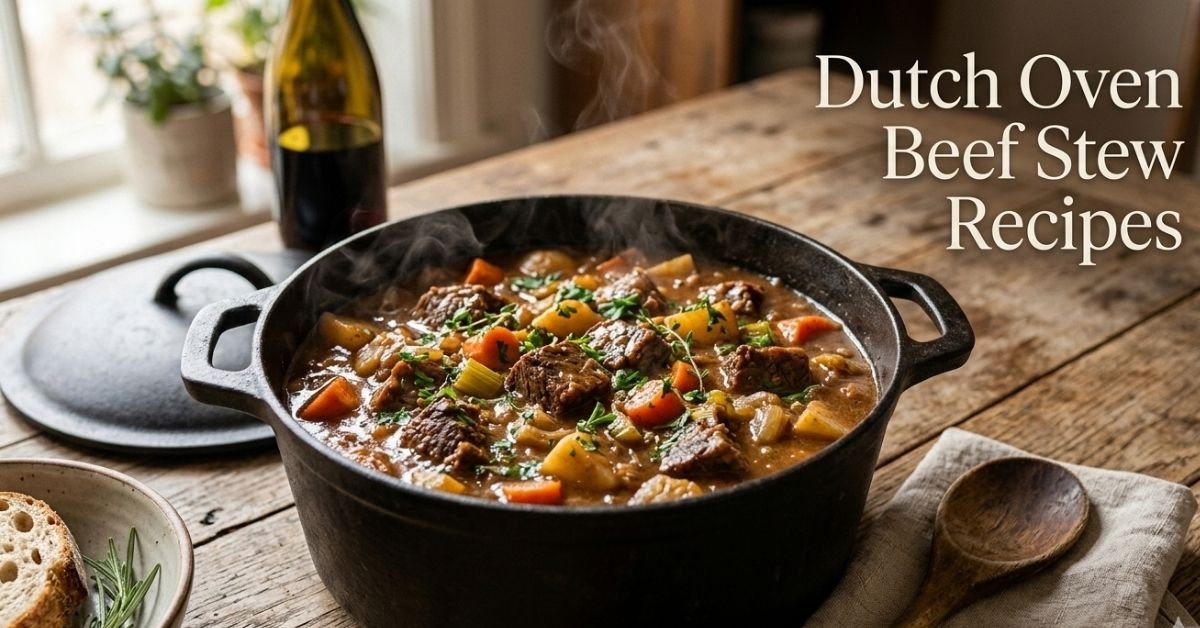
Dutch Oven Beef Stew Recipes are loved because they create deeply flavorful meals with very simple cooking methods. A Dutch oven is a heavy cast iron pot that holds heat evenly and slowly cooks ingredients until everything becomes tender. When beef, vegetables, broth, and herbs simmer together in one pot, the flavors blend beautifully and produce the classic comfort food many families enjoy during colder seasons.
Another reason these recipes are popular is their reliability. Even beginner cooks can produce a rich and satisfying stew with just a few techniques. Browning beef cubes, sautéing onions and garlic, then slowly simmering everything with potatoes and carrots creates a dish that tastes like it has been cooking all day. The thick gravy, tender meat, and soft vegetables make it a complete meal in a single pot.
Dutch oven cooking also reduces cleanup and simplifies meal preparation. Instead of using multiple pans, everything cooks together in the same pot. This style of cooking has been used for generations because it saves time while still delivering rich flavor and texture. Once the stew is in the oven or gently simmering on the stove, the cook can relax while the dish slowly develops its depth of flavor.
Read also: Babbalucci Bill Bakers and Kings County Imperial
Best Cuts of Beef for Tender Stew
Choosing the right cut of beef is one of the most important steps in Dutch Oven Beef Stew Recipes. Tougher cuts actually work best because slow cooking breaks down their connective tissue and transforms them into soft, flavorful meat. Cuts that come from hardworking muscles contain more collagen, which melts during cooking and thickens the stew naturally.
Chuck roast is the most common choice for stew. It contains the right balance of fat and muscle fibers, which helps it stay juicy while cooking for long periods. Other excellent options include bottom round roast, brisket pieces, and beef shoulder cuts. These meats become tender when braised slowly in broth or wine.
Good beef stew starts with evenly cut cubes so they cook at the same speed. Meat pieces about one to one and a half inches work well. Before cooking, it helps to pat the beef dry and season it with salt and pepper. This step helps the meat brown properly, which builds the deep savory flavor that makes stew taste rich and satisfying.
Essential Ingredients for Classic Beef Stew
Most Dutch Oven Beef Stew Recipes Oven Beef Stew Recipes share a group of traditional ingredients that build the foundation of flavor. The combination of beef, vegetables, herbs, and broth creates the classic taste people expect from a hearty stew. While variations exist, the following ingredients appear in many successful recipes.
Common ingredients include:
• Beef chuck roast cut into cubes
• Olive oil for browning
• Yellow onion and garlic
• Carrots and potatoes
• Beef broth or stock
• Tomato paste for depth of flavor
• Fresh thyme and bay leaves
• Worcestershire sauce
• Salt and black pepper
• Flour or cornstarch for thickening
These ingredients work together to create layers of flavor. The vegetables add sweetness and texture while the herbs provide aroma. Tomato paste gives a mild richness that strengthens the broth, and the thickening agent transforms the liquid into a comforting gravy that coats every bite.
Step by Step Method for Dutch Oven Beef Stew
Cooking stew in a Dutch oven follows a simple method that builds flavor gradually. The key steps are browning, sautéing, simmering, and slow braising. Each stage adds another layer of taste and helps produce tender meat and rich gravy.
Follow these basic steps:
• Heat olive oil in the Dutch oven over medium heat
• Brown beef cubes in small batches until golden
• Remove beef and sauté onions and garlic
• Stir in tomato paste and cook briefly
• Deglaze the pot with broth or red wine
• Return beef to the pot with herbs and seasonings
• Add carrots and potatoes
• Cover and cook slowly in oven at 325°F for about 2 hours
During the slow cooking process, the beef becomes tender and the vegetables soften without falling apart. The broth thickens naturally as collagen from the meat melts into the liquid. When finished, the stew should have a rich color, thick gravy, and tender chunks of meat.
How to Make the Gravy Thick and Rich
One of the defining features of great Dutch Oven Beef Stew Recipes is the rich gravy that coats every ingredient. Achieving the right thickness depends on both cooking time and thickening methods. As stew simmers, gelatin from the beef slowly thickens the broth, but additional techniques can improve the final texture.
Many cooks use a simple roux made from butter and flour. Cooking the roux briefly before adding liquid removes the raw flour taste and creates a smooth gravy. Another option is a cornstarch slurry, which mixes cornstarch with cold water before stirring it into the stew near the end of cooking.
The goal is a gravy that is thick enough to coat a spoon but still fluid enough to pour easily. Stirring occasionally while simmering prevents sticking and ensures the gravy thickens evenly throughout the pot.
Vegetables That Work Best in Beef Stew
Vegetables add sweetness, nutrition, and color to Dutch Oven Beef Stew Recipes. Choosing vegetables that hold their shape during long cooking is important. Some vegetables soften too quickly, while others develop deeper flavor as they simmer in broth.
Popular stew vegetables include:
• Yukon Gold or red potatoes
• Carrots sliced into thick rounds
• Celery pieces for aroma
• Pearl onions or chopped onions
• Mushrooms for extra umami flavor
• Frozen peas added near the end
These vegetables absorb the savory broth and become flavorful without losing their texture. Potatoes help thicken the stew slightly as they release starch, while carrots add natural sweetness that balances the savory beef.
Cooking in the Oven vs Stovetop
Dutch Oven Beef Stew Recipes can be prepared either in the oven or on the stovetop. Both methods produce excellent results, but each approach has small advantages depending on the cook’s preference.
Cooking in the oven provides steady heat from all directions. This helps the stew cook evenly and prevents scorching on the bottom of the pot. The oven method also requires less stirring because the heat remains consistent throughout the cooking process.
Stovetop cooking is more flexible and allows easy monitoring of the stew. Some cooks prefer to adjust the simmer level or add ingredients gradually. As long as the heat stays low and gentle, the stovetop method can produce the same tender beef and rich broth as oven cooking.
Substitutions for Wine, Gluten, and Other Ingredients
Many traditional Dutch Oven Beef Stew Recipes include red wine because it adds acidity and complexity. However, some cooks prefer to skip alcohol or need substitutions due to dietary needs. Fortunately several alternatives can provide similar depth of flavor.
Common substitutions include:
• Extra beef broth instead of red wine
• Balsamic vinegar for mild acidity
• Tomato juice for subtle sweetness
• Cornstarch instead of flour for gluten free thickening
• Sweet potatoes instead of white potatoes
• Coconut aminos instead of Worcestershire sauce
These adjustments allow the recipe to fit different diets without losing the essential stew flavor. The key is maintaining balance between savory broth, tender beef, and vegetables that complement the rich gravy.
Make Ahead and Freezing Tips
One advantage of Dutch Oven Beef Stew Recipes is that they store and reheat extremely well. In fact, stew often tastes better the next day because the flavors continue blending as it rests in the refrigerator.
To store stew safely, allow it to cool slightly before transferring it to airtight containers. Refrigerated stew usually stays fresh for three to four days. When reheating, gently warm it on the stovetop with a splash of broth to restore the consistency.
For longer storage, stew freezes well for up to three months. Freeze portions in freezer safe containers so they can be thawed easily for quick meals. Thaw overnight in the refrigerator before reheating to maintain the best texture.
Common Mistakes When Making Beef Stew
Even simple Dutch Oven Beef Stew Recipes can go wrong if a few key mistakes occur during cooking. Learning these common problems helps ensure every batch turns out rich, tender, and flavorful.
Mistakes to avoid include:
• Skipping the step of browning the beef
• Crowding the pot while searing meat
• Cooking at too high a temperature
• Adding vegetables too early
• Over thickening the gravy
Browning beef properly is especially important because it creates the flavorful crust that forms the base of the stew. Cooking slowly at low heat allows the meat fibers to break down gradually, which is what creates the tender texture everyone expects from a classic stew.
Serving Ideas and Side Dishes
Dutch Oven Beef Stew Recipes are already filling, but the right side dishes can make the meal even more satisfying. Bread is one of the most popular companions because it absorbs the rich gravy.
Popular serving options include:
• Crusty artisan bread or baguette
• Buttery dinner rolls
• Creamy mashed potatoes
• Simple green salad
• Steamed green beans
Fresh herbs such as parsley or thyme sprinkled over the stew brighten the flavor and add color. Some cooks also enjoy pairing the dish with a glass of red wine or dark beer, which complements the savory richness of the beef and gravy.
Healthy Notes and Nutrition Considerations
While Dutch Oven Beef Stew Recipes are hearty comfort foods, they can also provide balanced nutrition. Beef contains protein, iron, and important vitamins that support energy and muscle health. Vegetables like carrots and potatoes contribute fiber, potassium, and antioxidants.
To make the stew lighter, cooks can trim excess fat from the beef before cooking and increase the proportion of vegetables. Using low sodium broth also helps control salt levels without sacrificing flavor.
Because the stew cooks slowly, nutrients from vegetables and herbs remain in the broth rather than evaporating. This makes each serving nourishing as well as satisfying, especially during cooler months when warm meals are most comforting.
Conclusion
Dutch Oven Beef Stew Recipes remain one of the most comforting and dependable meals in home cooking. The combination of tender beef, hearty vegetables, and rich gravy creates a dish that is simple yet deeply satisfying. With the right cut of meat, proper browning, and slow cooking, anyone can prepare a stew that tastes flavorful and balanced. The recipe is flexible enough to include substitutions, dietary adjustments, and make ahead storage. By understanding the basic techniques and avoiding common mistakes, cooks can enjoy a classic one pot meal that brings warmth and comfort to the table.
FAQs
What is the best cut of beef for beef stew?
Chuck roast is usually best because it becomes tender during slow cooking.
How long should beef stew cook in a Dutch oven?
Most recipes cook for about 2 hours at 325°F until the meat becomes tender.
Can I make beef stew without wine?
Yes, simply replace wine with beef broth or a small amount of balsamic vinegar.
How can I thicken beef stew without flour?
Use a cornstarch slurry mixed with cold water and stir it into the hot stew.
What potatoes are best for beef stew?
Yukon Gold or red potatoes hold their shape and add creamy texture.
Can beef stew be frozen?
Yes, it freezes well for up to three months when stored in airtight containers.
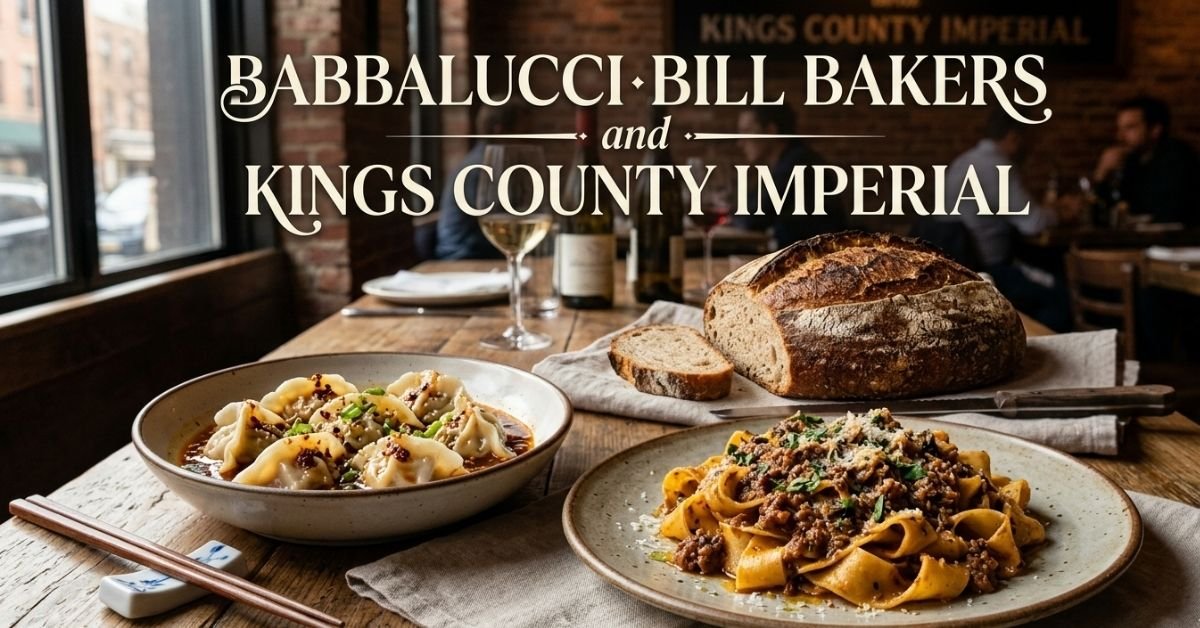
Brooklyn has become one of the most exciting dining areas in New York City. Food lovers visit neighborhoods like Williamsburg and Greenpoint not only for trendy cafes but also for deeply rooted culinary traditions. The search for Babbalucci Bill Bakers and Kings County Imperial usually begins when people want to compare three very different dining experiences that represent Italian cooking, artisan baking, and regional Chinese cuisine. Each place offers a unique approach to food, and together they reflect how diverse the Brooklyn dining landscape has become.
The three establishments serve very different purposes even though they are often compared online. One focuses on handmade pasta and Italian hospitality, another celebrates slow fermented sourdough bread and pastries, while the third brings bold regional Chinese dishes served family style. Many visitors researching these restaurants are trying to decide which one fits their plans for a meal, a date night, a group dinner, or even a casual brunch outing. Understanding the background of each restaurant helps clarify why they are frequently mentioned together.
When comparing restaurants, several practical factors matter to diners. Menu variety, price range, reservations, atmosphere, and dietary options all play a role in decision making. This guide explains each restaurant clearly so that readers can understand not only what they serve but also how the experience feels when dining there. By looking at these elements in detail, visitors can choose the place that best matches their expectations.
Read also: At Black Tap, Burgers and Beer Are Served With a Side of Nostalgia
Babbalucci Italian Restaurant and Its Handmade Pasta Tradition
Babbalucci is known for authentic Italian cooking rooted in classic regional recipes. The restaurant focuses heavily on handmade pasta, seasonal ingredients, and a relaxed but elegant dining environment. When guests step inside, they usually notice a warm interior with rustic wood details and a cozy neighborhood feeling that reflects traditional Italian trattorias. The dining experience tends to be slower and more relaxed compared with casual eateries, which makes it a good place for long meals with friends or family.
The menu at Babbalucci highlights simple ingredients prepared carefully rather than complicated dishes. Fresh pasta is the centerpiece, and chefs often make varieties like tagliatelle, rigatoni, or pappardelle by hand. Sauces are usually based on slow cooked meats, olive oil, herbs, and tomatoes, allowing the pasta texture to shine. Many diners appreciate the balance between traditional Italian flavors and the freshness expected from modern New York kitchens.
Some menu highlights commonly associated with this restaurant include:
- Handmade pasta with seasonal sauces
- Wood fired pizzas with thin crispy crust
- Fresh salads with Italian olive oil and herbs
- Italian desserts such as tiramisu or panna cotta
- A curated wine list featuring regional Italian wines
These elements make Babbalucci appealing for diners who want a comfortable sit down dinner with authentic Mediterranean flavors. The restaurant is particularly popular for date nights or small celebrations where people want to enjoy several courses slowly.
Bill Bakers and the Art of Slow Fermented Sourdough
Bill Bakers offers a completely different experience from a traditional restaurant. Instead of a full dinner menu, this bakery focuses on artisan bread made using slow fermentation techniques. Many people search for Bill Bakers because sourdough bread has become extremely popular among food enthusiasts who appreciate the flavor and health benefits of natural fermentation.
The bakery specializes in long fermented dough that develops complex flavors over time. This process typically involves mixing flour, water, and a natural starter culture, then allowing the dough to rest for many hours. During fermentation, natural bacteria and yeast create subtle sour notes and improve the bread’s texture. The result is crusty bread with a soft, airy interior that many people consider superior to commercial loaves.
Customers often visit the bakery for items such as:
- Classic sourdough loaves baked daily
- Rustic country bread with whole grains
- Butter croissants and pastries
- Sandwich bread for breakfast or lunch
- Seasonal baked goods made with local ingredients
Because it operates primarily as a bakery, Bill Bakers usually attracts customers earlier in the day. People often stop by for fresh bread, pastries, or a quick breakfast rather than a full evening meal. For visitors interested in baking culture or artisan bread, it represents one of Brooklyn’s respected spots for high quality sourdough.
Kings County Imperial and the Bold World of Regional Chinese Cuisine
Kings County Imperial represents another side of Brooklyn dining with its focus on regional Chinese cooking. Unlike traditional American Chinese restaurants that simplify flavors, this establishment highlights dishes inspired by different regions of China. The menu features dumplings, noodles, stir fried vegetables, and meat dishes served family style so guests can share several plates at the table.
The atmosphere tends to be lively and energetic, making it a popular destination for groups. Bright interiors, open seating areas, and busy kitchens contribute to a vibrant dining environment that contrasts with the quieter setting of Italian restaurants. Guests often enjoy ordering multiple dishes and sharing them, which makes the experience more social.
Common dishes that attract diners include:
- Hand rolled dumplings with pork or vegetables
- Spicy Sichuan style noodles
- Stir fried seasonal vegetables
- Braised meats served with rice
- Dim sum style appetizers for sharing
Because the restaurant emphasizes family style dining, portions are usually larger than individual restaurant plates. This approach encourages guests to explore different flavors together rather than ordering separate meals.
Comparing Menu Styles and Culinary Philosophy
One of the most interesting aspects of comparing Babbalucci Bill Bakers and Kings County Imperial is how differently each place approaches food. The Italian restaurant focuses on traditional European techniques with careful attention to pasta texture and wine pairing. The bakery celebrates fermentation science and simple ingredients transformed through patience and skill. The Chinese restaurant highlights bold spices and shared dishes that encourage group dining.
These contrasting philosophies make the comparison unique. Instead of competing directly, each establishment fills a different role within Brooklyn’s dining culture. Someone looking for a quiet pasta dinner will naturally gravitate toward the Italian restaurant, while a morning bread lover will choose the bakery. Groups wanting lively shared plates will prefer the Chinese dining experience.
Understanding these differences helps diners choose the right place based on the occasion rather than assuming one is better than the others. The best choice depends on mood, time of day, and dining preferences.
Typical Price Ranges and What Diners Can Expect
Pricing is often a major factor when choosing between restaurants. While menus change frequently, general price ranges give diners a good idea of what to expect. The Italian restaurant typically falls into the mid range category because fresh pasta, wine, and table service increase overall costs.
The bakery usually has lower prices since customers purchase bread or pastries rather than full meals. However, artisan sourdough can still cost more than supermarket bread because of the labor intensive baking process. The Chinese restaurant often sits between the two depending on how many dishes guests order for sharing.
Typical dining expectations include:
- Babbalucci dinner per person often ranges from moderate to higher casual dining prices
- Bill Bakers bread and pastries usually remain affordable for everyday purchases
- Kings County Imperial meals depend on group sharing but usually stay moderate
Because portions and ordering styles differ, comparing exact prices is difficult. Group dining at the Chinese restaurant can become more economical because several people share dishes.
Atmosphere and Dining Experience Differences
Atmosphere plays a huge role in the dining experience. Babbalucci offers a relaxed and intimate setting with soft lighting and comfortable seating. Guests often stay longer because the meal unfolds gradually through multiple courses. This environment suits romantic dinners or quiet conversations with friends.
Bill Bakers feels more like a neighborhood bakery where customers quickly stop in for bread or pastries. The focus is on freshness rather than long dining experiences. Many people buy items to take home or enjoy with coffee nearby rather than staying inside for extended meals.
Kings County Imperial delivers a vibrant restaurant environment where noise and conversation fill the room. The energetic atmosphere makes it ideal for groups celebrating birthdays or gatherings with friends. Sharing dishes naturally encourages social interaction and lively dining.
Reservation Availability and Wait Times
Reservations are another important factor when comparing these places. The Italian restaurant often accepts reservations because guests expect table service and longer meals. Booking ahead is usually recommended during weekends when demand increases.
The bakery rarely requires reservations because it operates primarily as a retail shop. Customers simply walk in and purchase baked goods. However, popular items sometimes sell out quickly, especially during busy mornings.
The Chinese restaurant may accept reservations depending on location and day. Larger groups often benefit from reserving tables in advance since shared dining requires enough space for multiple dishes.
Delivery, Takeout, and Convenience Options
Modern diners often care about delivery and takeout options. Each establishment handles these services differently based on the type of food they serve. Pasta dishes from the Italian restaurant may be available for takeout, although they taste best when eaten fresh at the restaurant.
The bakery naturally works well for takeout because bread and pastries travel easily. Many customers purchase several items and enjoy them later at home or work. This convenience makes the bakery popular for quick breakfast stops.
Chinese dishes from Kings County Imperial often adapt well to delivery because stir fried foods and dumplings maintain their flavor during transport. Shared portions also make takeout convenient for family meals.
Dietary Options and Ingredient Considerations
Dietary flexibility has become increasingly important in modern restaurants. Each establishment offers different possibilities depending on its cuisine. The Italian restaurant sometimes includes vegetarian pasta or salads that highlight seasonal vegetables and olive oil.
The bakery may offer whole grain bread options and occasionally gluten conscious recipes, although sourdough still contains wheat. Customers with strict dietary restrictions should always check ingredient lists before purchasing baked goods.
The Chinese restaurant often includes vegetable dishes, tofu options, and rice based meals that suit many dietary preferences. Because the menu is diverse, guests can usually find dishes that accommodate different tastes within the same group.
Which Restaurant Fits Different Dining Occasions
Choosing between these three establishments becomes easier when considering the purpose of the visit. Each place excels in a particular situation depending on what diners expect from the experience.
Common dining occasions include:
- Romantic dinner or relaxed evening meal
- Morning coffee with fresh bread
- Group celebration with shared plates
- Casual neighborhood food exploration
- Weekend brunch style outings
- Matching the restaurant to the occasion helps ensure that guests enjoy their experience fully.
Cooking Inspiration from These Restaurants
Although most people visit restaurants to enjoy professional cooking, the dishes can also inspire home cooking. Italian pasta techniques, sourdough baking methods, and Chinese stir frying skills all provide useful lessons for food lovers.
Home cooks often learn valuable ideas such as:
- Using simple ingredients for flavorful pasta sauces
- Allowing bread dough to ferment slowly for better taste
- Cooking vegetables quickly in hot pans to preserve texture
- Balancing spices and acidity in Asian dishes
- Serving meals family style for social dining experiences
- These techniques show how restaurant food can influence everyday cooking habits.
Brooklyn Dining Culture and Culinary Diversity
The presence of Babbalucci Bill Bakers and Kings County Imperial in the same food conversation demonstrates Brooklyn’s incredible culinary diversity. Few neighborhoods combine Italian pasta traditions, artisan baking culture, and regional Chinese cooking within such close distance. This variety allows diners to explore global flavors without leaving the borough.
Food tourism in Brooklyn continues to grow because visitors enjoy discovering small restaurants that focus on craft and authenticity. Each establishment contributes something different to the dining ecosystem. Together they show how immigrant traditions, modern culinary techniques, and local ingredients can blend into one vibrant food culture.
Conclusion
The comparison of Babbalucci Bill Bakers and Kings County Imperial highlights three very different dining experiences within Brooklyn’s thriving food scene. One offers comforting Italian pasta and wine, another celebrates artisan sourdough baking, and the third delivers bold regional Chinese dishes served family style. Rather than competing directly, they complement each other by serving different tastes and occasions. Understanding their menu styles, atmosphere, and dining approach helps visitors choose the right place for their plans. Anyone exploring Brooklyn restaurants will find that this trio represents the diversity and creativity that makes the borough one of the most exciting food destinations in New York City.
FAQs
Which restaurant is best for group dining?
Kings County Imperial is usually best because its family style dishes are designed for sharing.
Does Bill Bakers require reservations?
No, it operates as a bakery where customers typically walk in to buy bread or pastries.
Is Babbalucci good for date night?
Yes, the relaxed Italian atmosphere and wine selection make it popular for romantic dinners.
Which place is cheapest?
Bill Bakers is usually the most affordable because customers buy individual baked goods.
Do these restaurants offer vegetarian options?
Yes, all three offer some vegetable based dishes or bakery items suitable for vegetarian diets.
Which is best for trying Brooklyn food culture?
Visiting all three gives a broad experience of Brooklyn’s Italian, bakery, and Chinese culinary traditions.
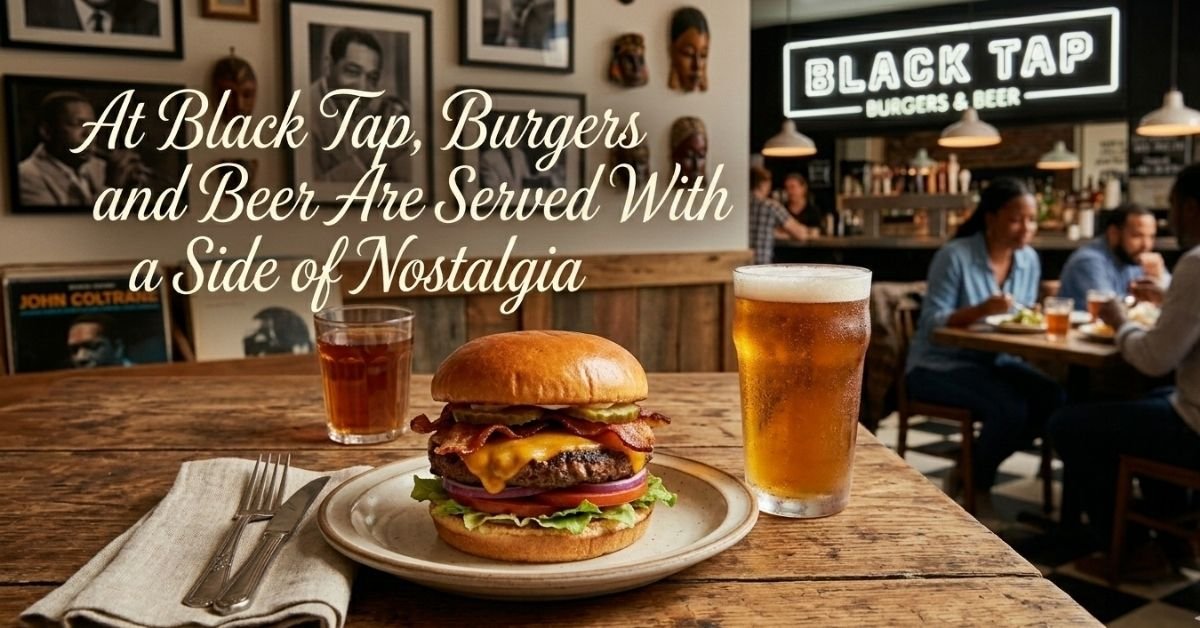
Stepping into Black Tap instantly takes you back to the charm of old-school diners while keeping the modern twist of a craft burger joint. The retro atmosphere is warm and playful, with vibrant murals, classic tunes playing softly in the background, and booths that invite groups to linger over plates of juicy burgers and cold beers. Every detail, from the checkered floor to neon signs, adds a nostalgic touch that makes visiting more than just a meal—it’s a mini escape into the past. The staff also enhances this feeling, with friendly service that feels personal, as if you are visiting a familiar neighborhood diner rather than a busy modern restaurant.
Read also: Trenness Woods Black Places to Hit in Harlem
Burgers That Bring Back Memories
Black Tap’s burgers are not just meals; they are a celebration of comfort food done right. Using fresh, high-quality ingredients, each burger is crafted with care. The patties are juicy and perfectly seasoned, while toppings like melted cheddar, crispy bacon, and house-made sauces take classic flavors up a notch. Options include Wagyu beef, prime burgers, and vegetarian selections to suit every preference. Customers often recall childhood memories of diner trips when biting into a Black Tap burger, proving that the taste alone can evoke a sense of nostalgia. The combination of perfectly toasted buns, fresh produce, and rich flavors creates a satisfying bite that feels both familiar and indulgent.
The Craft Beer Experience
Pairing these flavorful burgers with craft beer is part of the Black Tap charm. They offer a range of locally brewed and international beers that complement the richness of their burgers. From crisp lagers to hoppy IPAs, every pint is selected to enhance the flavor profile of the meal. Beer options include classics like Stella Artois, Brooklyn Lager, and seasonal brews that rotate throughout the year. Guests often enjoy sampling different styles of beer alongside various burgers, discovering flavor combinations that bring a new dimension to their meal. The combination of a refreshing beer and a perfectly cooked burger is a throwback to simpler times, when a night out meant hearty food, laughter, and shared stories.
CrazyShakes: Sweet Nostalgia in a Glass
No visit to Black Tap is complete without trying their famous CrazyShakes. These extravagant milkshakes are over-the-top creations with layers of ice cream, whipped cream, sauces, and toppings like cookies, candy, or even slices of cake. Each shake is a fun, indulgent treat that reminds guests of classic ice cream parlor days. Flavors such as Brooklyn Blackout, Strawberry Shake, and Cookies ‘N Cream Supreme are crowd favorites, giving both adults and kids a chance to relive playful, nostalgic moments. Beyond the taste, these shakes are designed for sharing and snapping pictures, making them as much a visual treat as a culinary one.
Atmosphere and Decor
The interior design plays a huge role in the nostalgic feel of Black Tap. Vintage posters, retro lighting, and diner-style seating bring back memories of the 50s and 60s while still feeling fresh and modern. Even small touches like old-school jukebox graphics, classic black-and-white tiles, and quirky wall art add to the immersive experience. Some locations feature neon signage and photo-friendly areas that encourage guests to take pictures and share their experience. Guests often comment on how the environment makes them pause, smile, and enjoy the meal in a relaxed, fun setting. The playful music selection, with hits from past decades, further enhances the nostalgic vibe, creating a multi-sensory experience that keeps people coming back.
Menu Highlights Beyond Burgers
While burgers steal the spotlight, Black Tap also offers wings, sandwiches, and specialty fries. Wings come in a variety of flavors, from classic Buffalo to spicy Mexican Hot Wings. Sides include crispy fries, onion rings, and house salads, allowing for a complete, satisfying meal. The menu also features unique creations like the All-American Burger, The Mexico City Burger, and chicken sandwiches with house sauces. Each menu item maintains the same attention to flavor and quality, keeping the nostalgia alive while catering to modern tastes. Customers appreciate the flexibility of substitutions, such as swapping fries for sweet potato fries or adding specialty sauces to elevate their meal.
Locations That Keep Nostalgia Close
Black Tap has multiple locations, including New York City, Las Vegas, Dallas, Singapore, and London. Each restaurant retains the signature decor and menu offerings, ensuring that visitors worldwide can enjoy the same nostalgic experience. Whether stopping by the SoHo spot for lunch or visiting the Vegas location for dinner, guests can expect consistent quality and the comforting atmosphere that makes Black Tap memorable. Some locations also feature exclusive local menu items and seasonal specials, giving guests a reason to explore multiple locations.
Special Events and Happy Hours
Many locations host happy hours and special events that heighten the nostalgic vibe. These events often include beer specials, limited-edition shakes, or themed nights that encourage a communal dining experience. Celebrating with friends over classic foods and drinks, while surrounded by playful retro decor, brings a sense of joy and connection reminiscent of past decades. Seasonal events, like holiday-themed shakes or summer burger specials, add excitement and variety, making each visit feel fresh and unique.
Customer Experience and Reviews
Guests consistently praise Black Tap for both food quality and ambiance. Online reviews highlight not only the delicious burgers and inventive shakes but also the fun, engaging environment. Families, groups of friends, and solo diners alike find the restaurant welcoming and lively. Many note how stepping inside feels like a break from the busy pace of modern life, offering a small, enjoyable retreat filled with taste and memory. Some visitors share stories of bringing their kids to experience the same ice cream and burgers they enjoyed in their youth, creating multi-generational memories.
Tips for Visiting
-
Timing: Visiting during off-peak hours ensures seating without long waits.
-
Must-Try Items: Don’t miss the CrazyShakes and signature Wagyu burgers.
-
Pairings: Match your burger with a craft beer for the ultimate nostalgic experience.
-
Kids-Friendly: The playful decor and fun shakes make it great for children.
-
Photos: Snap pictures with the retro decor and shake creations—they make perfect memories.
-
Special Requests: Staff are accommodating for dietary restrictions, including vegan and gluten-free options.
-
Planning Ahead: Check online menus and events to make the most of your visit.
Conclusion
At Black Tap, Burgers and Beer Are Served With a Side of Nostalgia, making every visit a mix of great food, fun, and cherished memories. From juicy burgers and craft beers to extravagant CrazyShakes, the restaurant offers a full sensory experience. The retro decor, playful atmosphere, and attention to detail make it more than just a meal—it’s a trip back in time where flavors, laughter, and nostalgia come together. Every bite and sip is a chance to relive joyful moments, making Black Tap a must-visit for anyone seeking comfort food with a twist of memory.
FAQs
What is Black Tap known for?
Black Tap is known for its craft burgers, CrazyShakes, and nostalgic diner vibe.
Where is Black Tap NYC located?
The main NYC location is in SoHo at 529 Broome Street.
How much do CrazyShakes cost?
CrazyShakes range from $15 to $20 depending on the flavor and toppings.
Are there vegan options at Black Tap?
Yes, some locations offer vegan burgers and plant-based menu items.
What beers are available at Black Tap?
They offer a mix of local craft beers, lagers, IPAs, and international options.
Can I make a reservation?
Reservations are available at select locations, usually through the website or dining apps.
-
 Food1 month ago
Cuts of Steak: Complete Guide to Beef Cuts
-

 Food1 month ago
What Is Andouille Sausage? Complete Guide
-

 Food1 week ago
Shirleys Coffee Shop Guam Locations Menu and Guide
-

 Drinks2 weeks ago
Easy Lychee Martini Recipe Sweet & Floral Cocktail
-
 Food1 month ago
Ultimate Tripas Recipe and Cooking Guide
-

 Food2 weeks ago
Italian Ice Flavoring Guide: Flavors, Bases, and Recipes
-

 Tech2 weeks ago
DemonScans Review: Is It Safe for Manga Readers?
-

 Food2 weeks ago
Black Pudding Guide: History, Recipe & Nutrition